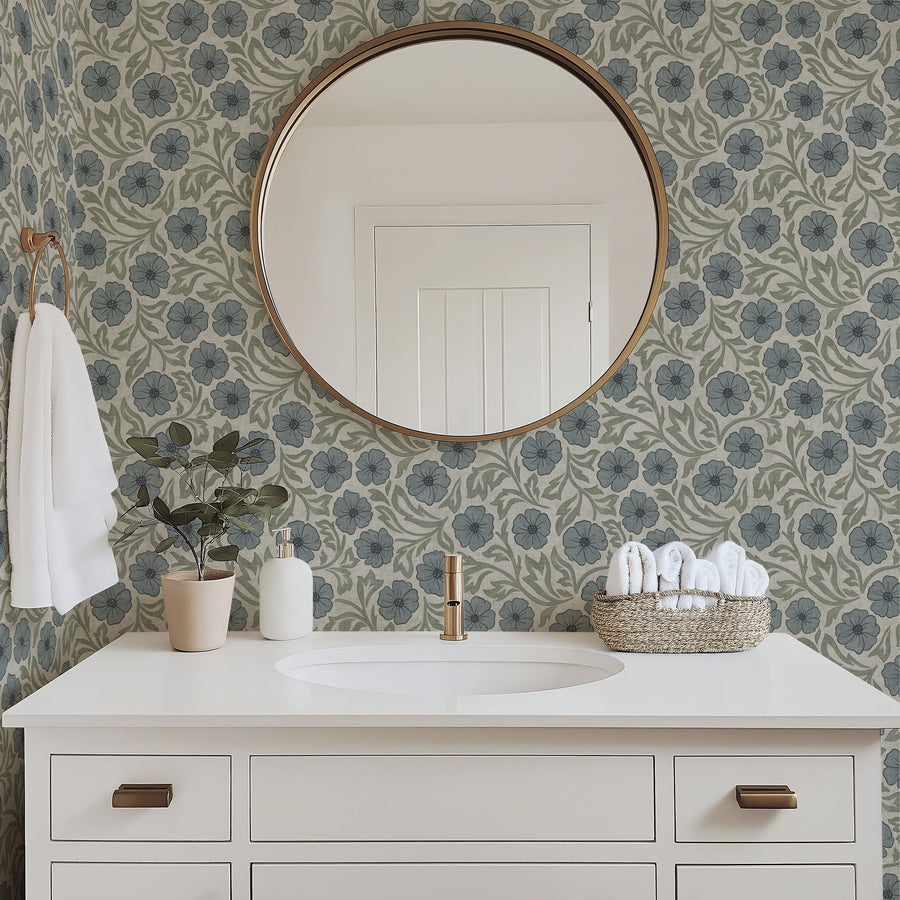
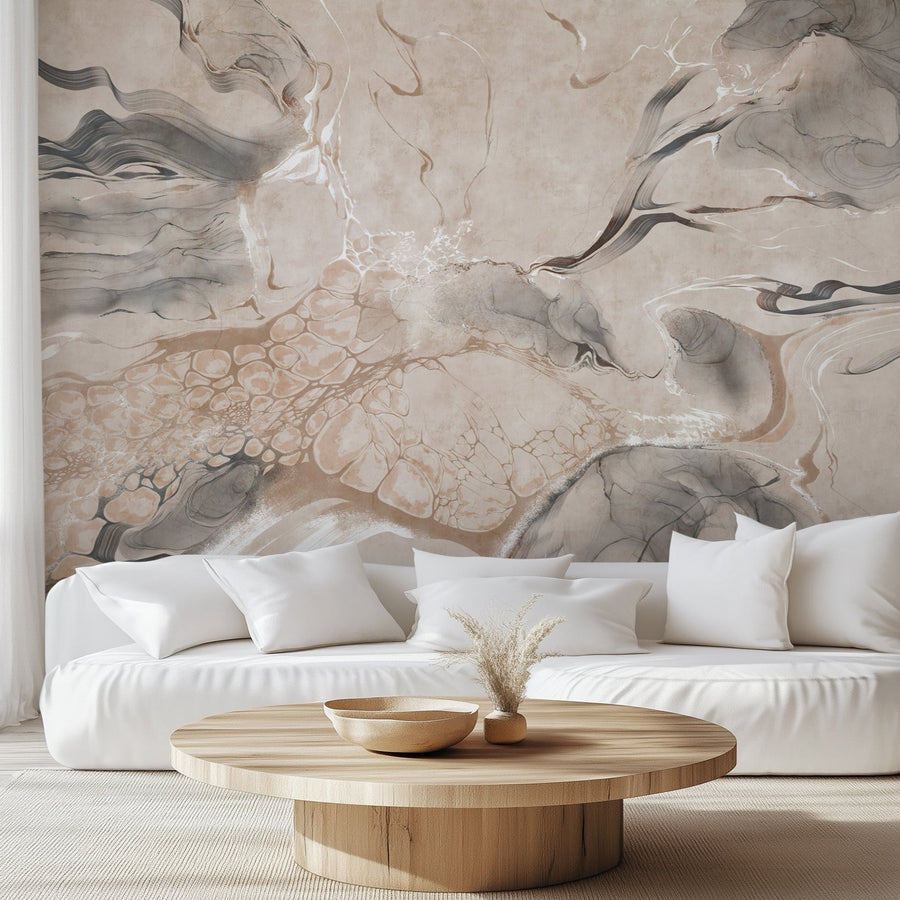
Walk into a well-designed hotel and you will notice that wallpaper, not paint, is what shapes the space’s identity. The space feels intentional, layered, and calm. The walls have depth. They absorb light rather than reflect it harshly. And despite constant foot traffic, rolling luggage, and daily cleaning, they rarely show wear.
This is not coincidence. Across the hospitality industry, from massive resorts to trendy boutique Airbnbs, wallpaper has quietly replaced paint as the preferred wall finish. The decision is not driven by trends or decoration, but by performance, lifecycle cost, operational efficiency, brand control, and guest experience.
In hospitality design, wallcoverings are specified not as decorative finishes, but as performance materials. Architects, designers, and hotel managers evaluate wallpaper based on durability class, cleanability, acoustic contribution, lifecycle cost, and compliance with commercial standards. When viewed through that lens, the shift away from paint becomes inevitable.
If you are designing a commercial space, an Airbnb, or even a high-traffic home, here is the technical breakdown of why hotels invest in wallpaper over paint.
Durability and Impact Resistance in High-Traffic Areas
Imagine the life of a hotel hallway. Every single day, it is battered by rolling suitcases, housekeeping carts, and guests bumping into walls with heavy bags.
If those walls were painted drywall, they would look tired within a month. Paint is thin; when it gets hit, it chips, revealing the white gypsum underneath. A painted hallway in a busy building requires constant touch-ups, which means constant maintenance crews and the smell of fresh paint - not exactly a luxury experience.
Hotels use wallpaper because it acts as a suit of armor. A high-quality Hotel Wallpaper provides a layer of protection that absorbs scrapes and bumps. Instead of a chip, the wall simply shrugs off the impact. For a business, this means the hallway looks brand new for years, not just weeks.
Airbnb Design Tips: Increasing Bookings with Feature Walls
For short-term rental hosts, time is money. A "turnover" needs to happen in 4 hours, not 4 days. Experienced Airbnb hosts know that painted walls are a liability. One guest scuffs the wall with a suitcase, and suddenly the whole room looks "used" in photos. You can't repaint a wall between an 11:00 AM checkout and a 3:00 PM check-in.
Wallpaper solves the turnover crisis:
- Stand Out in Search: A bold Tropical or Jungle Mural makes your listing stand out in search results (stopping the scroll).
- Hide Wear and Tear: Patterns hide scuffs and fingerprints that would scream on a flat white wall.
- Justify Higher Rates: Guests equate "designed walls" with "luxury stay," allowing hosts to charge higher nightly rates for the same square footage.
 Acoustic Benefits: Sound Dampening for Guest Privacy
Have you ever noticed how a high-end hotel room feels "hushed" and private, even if it's in a busy city?
Paint is a hard, reflective surface. When you speak in a painted room, sound waves bounce off the walls, creating echoes and a "hollow" feeling. This is why empty painted houses sound so loud.
Wallpaper, especially textured ones, such as Traditional Type II Canvas or Faux Grasscloth, soften the room. It breaks up sound waves, reducing echo and dampening noise from the hallway or the neighbors. In the hospitality world, this acoustic control is vital for guest comfort. In your own space - whether it's a home office or a nursery - that same dampening effect creates a sense of calm and focus that paint just can't achieve.
Commercial Safety Codes: Fire Rated Wallcoverings
This is the hidden technical benefit that hotels never compromise on: Safety.
Commercial buildings are required by law to use materials that resist fire. Hotels use wallcoverings that meet Class A Fire Ratings (ASTM E84 standards). This means if a fire occurs, the wallpaper material will not contribute to the spread of flames or produce excessive smoke.
EazzyWalls commercial-grade wallcovering fully complies with all required fire rating specifications. Our materials are rigorously tested to achieve a Class A rating under ASTM E84 protocols - the highest standard for building materials. This signifies that our wallpaper exhibits the lowest possible flame spread and minimal smoke development. Whether you are specifying for a high-rise hotel corridor, a restaurant, or a family nursery, you can install with confidence knowing the material meets the strict safety benchmarks required by fire marshals and building inspectors.
For a homeowner or Airbnb host, using Fire Rated Commercial Wallpaper isn't just about passing an inspection; it's about peace of mind. Knowing your nursery or rental property is lined with material that meets the same strict safety codes as a 5-star hotel adds a layer of protection that cheap, unrated paints or DIY materials cannot offer.
Maintenance and Cleaning: Scrubbability vs. Paint
Hotels require wall surfaces that can be sanitized and cleaned quickly between guests without being damaged. Standard matte or eggshell paint is difficult to maintain; scrubbing a scuff mark often removes the paint finish along with the dirt, forcing maintenance teams to repaint the entire wall.
In contrast, commercial-grade wallpaper is scrubbable and hydrophobic. Liquids and standard cleaning solutions sit on the surface rather than soaking into the material. This allows housekeeping staff to use disinfectants to wipe down walls instantly without fading the print or damaging the texture. For Airbnb hosts and parents, this durability makes wallpaper the superior choice for high-traffic zones like hallways and entryways or kids room.

Hiding Wall Imperfections with Texture and Pattern
Here is a truth rarely spoken about: commercial buildings (and older homes) rarely have perfect walls. They have waves, bumps, and bad patch jobs.
High-gloss or satin paint acts like a spotlight, highlighting every single flaw in the drywall. If a hotel painted their old walls, they would look cheap and uneven.
Wallpaper is the ultimate concealer. A patterned floral or tropical wallpaper design distracts the eye. Textured Canvas or Faux Grasscloth material masks uneven surfaces and makes the walls look deliberate and structural, rather than old and patchy. It allows a renovation to look high-end without the massive expense of skimming and sanding every square inch of drywall.
Final Thoughts: Why Wallpaper is a Smart Investment
You don't need to own a 500-room resort to apply these principles. The reasons hotels choose wallpaper - durability, safety ratings, easy cleaning, and instant style - are the exact same reasons it belongs in your home or business.
Whether you are looking to upgrade a powder room or durability-proof your Airbnb for the next guest, taking a page from the hospitality playbook is the smartest design move you can make.
Ready to transform your space? Browse our collection of Best Selling Wallpaper Designs to find the perfect durable style for your project.