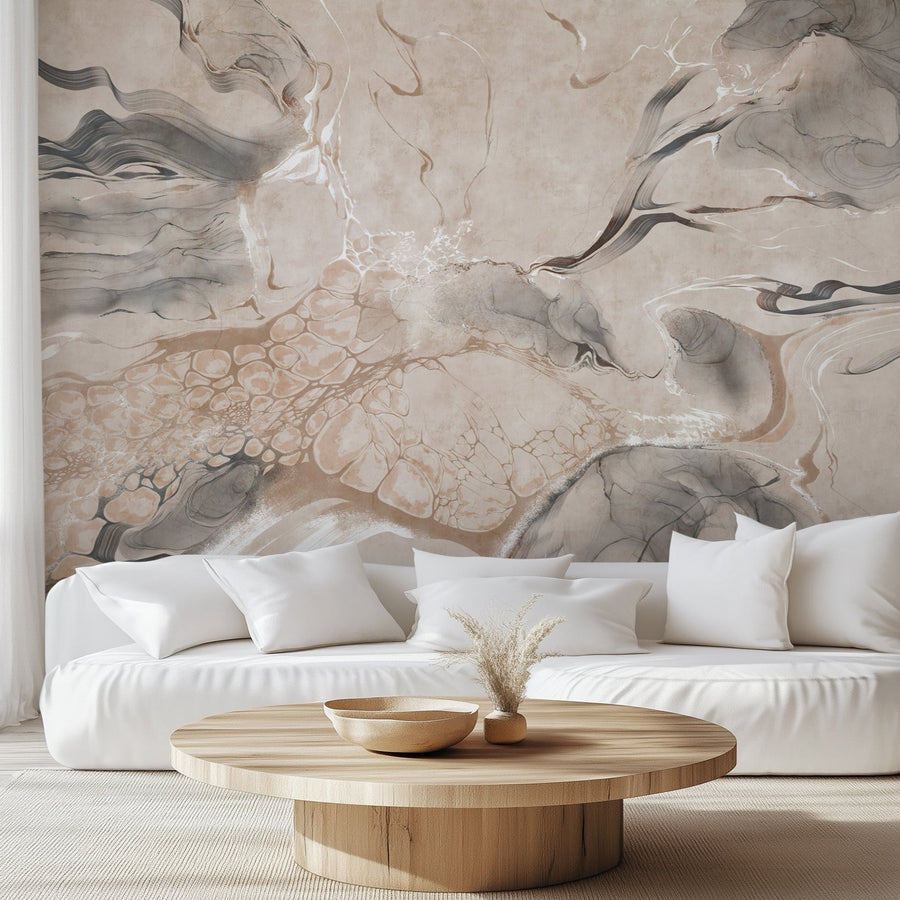
Peel and stick wallpaper is a removable, self-adhesive wall covering that installs without paste and, on properly painted and fully cured walls, comes off cleanly without damage. Its biggest advantages are easy DIY installation, renter-friendly removability, and lower cost; its main drawbacks are shorter lifespan than traditional wallpaper, trouble adhering to textured walls, and sensitivity to heat and moisture. As a wallcovering manufacturer, we produce both peel and stick and commercial-grade wallpaper every day, so this guide gives you the honest pros and cons — and exactly when to choose one material over another.
If you're weighing whether peel and stick is right for your space, the short answer is: for most rooms, renters, and DIY projects, yes. Below we break down every pro and con, how long it really lasts, whether it damages walls, and where it works best. Browse the full peel and stick wallpaper collection as you read.
Design Note
Almost every complaint you'll read about peel and stick — lifting edges, bubbles, paint damage on removal — traces back to two things: a textured or uncured wall, or a thin, low-quality substrate. Get the wall prep and the material right and the "cons" mostly disappear. That's the real decision, not pros versus cons in the abstract.
In this guide
5 Pros of Peel and Stick Wallpaper
Here are the five biggest advantages that make peel and stick wallpaper the go-to choice for renters and DIY decorators:
- Easy DIY installation. It installs without paste, water trays, or special tools — peel off the backing, smooth the panel onto the wall, and reposition as you go to line up the pattern. Most people can do a feature wall in an afternoon without professional help.
- Renter-friendly and removable. On properly painted, fully cured walls, quality peel and stick comes away cleanly without residue or damage, so you get real pattern and color without risking your deposit. Explore our renter-friendly peel and stick wallpaper collection.
- Lower cost, no installer fees. Because you install it yourself, you skip professional labor — often the most expensive part of traditional wallpaper — making it a budget-friendly way to add high-end pattern.
- Versatile beyond walls. Line the backs of bookcases and glass cabinets, refresh a dresser or headboard, or add pattern to stair risers and ceilings. Small applications are a low-commitment way to test a bold print.
- Perfect for temporary and changing spaces. Nurseries, kids' rooms, and airbnb rentals are ideal for a removable material — follow a trend or grow with a child's room without the permanence or expense of a paste install.
Designer Tip
Order a wallpaper sample before you commit a whole wall. It lets you check the color and finish in your room's actual light, test how the adhesive grips your specific wall, and confirm the pattern scale reads the way you expect. We offer a sample for every design for exactly this reason — it's the single best way to avoid the most common peel and stick wallpaper regrets.
4 Cons of Peel and Stick Wallpaper
Being honest about the downsides helps you avoid them. Here are the four main drawbacks to plan around:
- Shorter lifespan than traditional wallpaper. Its removable nature means it isn't as permanent as paste-installed wallpaper. In the right conditions it lasts years, but high-traffic, high-humidity, or sun-drenched spaces will show wear sooner.
- Doesn't love textured or uneven walls. Peel and stick wallpaper adhesive needs a smooth, clean surface to grip. On heavily textured walls (orange peel, knockdown) or freshly repaired areas, panels can lift at the edges and the texture telegraphs through the print — the single most common reason installs fail.
- Sensitive to heat and moisture. Excess heat can weaken the adhesive, and standing moisture or steam can lift seams over time. It doesn't belong directly behind a stove, inside a shower, or in the direct splash zone at a sink.
- A thinner, more plasticized look. Some films are thinner and glossier than the soft, matte body of traditional wallpaper. Material quality closes most of this gap — our Canvas Peel & Stick has a matte woven texture that reads more like paper or fabric — but the finish varies by material.
How Long Does Peel and Stick Wallpaper Last?
Quality peel and stick wallpaper typically lasts 3 to 5 years, and premium films on well-prepared walls in stable conditions can last 5 to 7 years or more. Three factors decide where you land in that range:
- Material quality — thicker films with stronger adhesive hold their edges and resist fading far longer than thin, bargain vinyls.
- Wall preparation — a smooth, clean, fully cured wall is the foundation; poor prep is the number-one cause of early lifting.
- Room conditions — a low-humidity bedroom or office will outlast a steamy, poorly ventilated bathroom by years. Direct sun accelerates fading, especially on lighter colors.
One practical note: the longer peel and stick stays up, the more the adhesive bonds to the paint, so for the cleanest possible removal many people plan to change it within a few years — which is usually the point of choosing a removable material in the first place.
Does Peel and Stick Wallpaper Damage Walls?
No — on properly painted, fully cured walls, quality peel and stick wallpaper removes cleanly without damaging the surface underneath. The caveats are what matter:
- Let paint cure first. Wait at least four weeks after painting before applying, so the adhesive bonds to the paint rather than pulling it off.
- Watch the paint finish. Satin, eggshell, and semi-gloss finishes hold up best. Very flat or matte paint is more fragile and more likely to lift on removal.
- Remove slowly. Peel gently from a top corner at a low angle; rushing is what leaves residue or lifts paint. Warming stubborn sections with a hair dryer helps.
- Mind the substrate. Bare drywall, wood, and some textured or dusty surfaces are more prone to residue than sealed, painted walls.
In short: the material itself doesn't damage walls — rushed installs, uncured paint, and the wrong surface do.
Where It Works Best (and Where to Avoid It)
Peel and stick shines in bedrooms, living rooms, nurseries, home offices, entryways, and accent walls — anywhere with smooth walls and stable conditions. Browse room-specific ideas in our bedroom wallpaper and wallpaper murals collections, and pick a palette — a soft peel and stick wallpaper in pink is a favorite for nurseries and powder rooms.
It also works as peel and stick wallpaper for the bathroom and in kitchens — with the right approach. Choose a moisture-tolerant material from our waterproof wallpaper range, keep it out of direct water and heat zones (behind the sink faucet, inside the shower, directly behind the cooktop), run ventilation, and it holds up well on a vanity wall or breakfast-nook accent.
Where to avoid it: heavily textured walls without prep, the direct splash zone at a sink, shower interiors, and the wall immediately behind an open flame. For those permanent, high-moisture, or high-traffic situations, a paste-installed commercial material is the safer choice.
Designer Tip
In a bathroom or kitchen, run a thin bead of clear sealant along the top and side edges of the wallpaper. Sealing the seams is what stops humidity from creeping under a panel and lifting a corner — a two-minute step that adds years to an install in a damp room.
Peel & Stick Wallpaper vs Traditional Type II Wallpaper
Choosing between removable and permanent comes down to how long you want it up and how much wear the room sees. Here's how our materials compare:
- Smooth Vinyl Peel & Stick — semi-gloss, removable, wipeable. The best all-around choice for renters, DIY projects, and anyone who wants to change the look later.
- Canvas Peel & Stick — matte woven texture, removable, low glare. The most authentic-looking peel and stick, ideal where you want a soft, fabric-like finish.
- Traditional Type II — heavier, paste-installed, commercial-grade, and Class A/Class 1 fire rated (ASTM E84). The most durable and scrubbable option, built for permanent installs and high-traffic or commercial spaces. See our commercial wallpaper range.
The good news: every design we make comes in all material options, so you rarely have to compromise on the pattern to get the durability — or the removability — you need.
Is Peel and Stick Wallpaper Worth It?
For most rooms, renters, and DIY decorators, peel and stick wallpaper is absolutely worth it. It delivers real design impact at a fraction of the cost and commitment of traditional wallpaper, and on well-prepared walls it goes up cleanly and comes down cleanly. The people who end up disappointed almost always installed a thin material on a textured or uncured wall — both avoidable.
Choose peel and stick when you value flexibility, budget, and easy installation. Choose commercial-grade Type II when you need a permanent, heavy-duty, or high-moisture install. Either way, our designs are made to order in Davie, Florida with GreenGuard Gold certified, non-toxic inks, custom-sized to your walls, with free US shipping and a sample for every design — and a 4.95/5 rating from over 1,000 customers behind them.