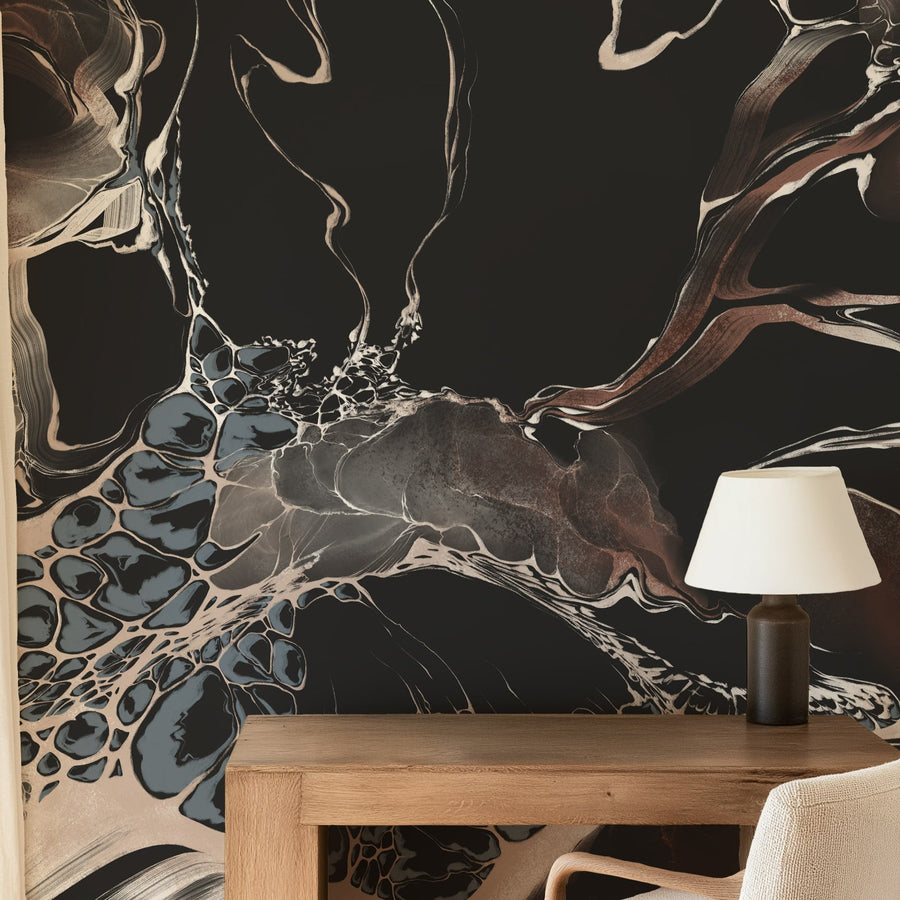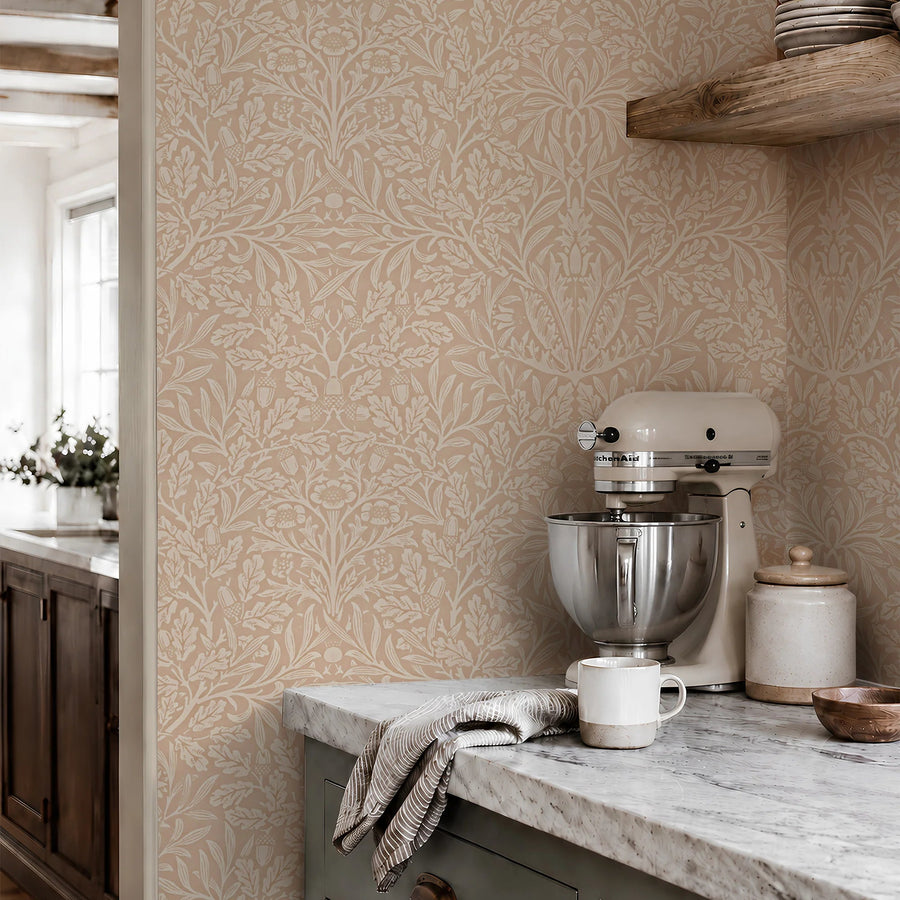
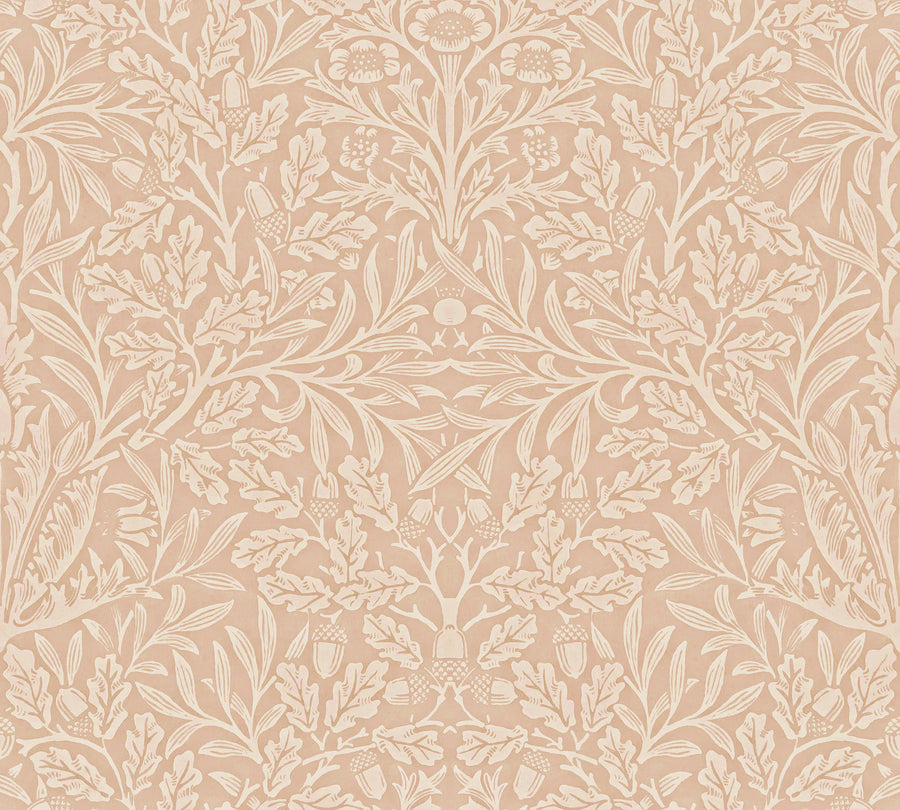
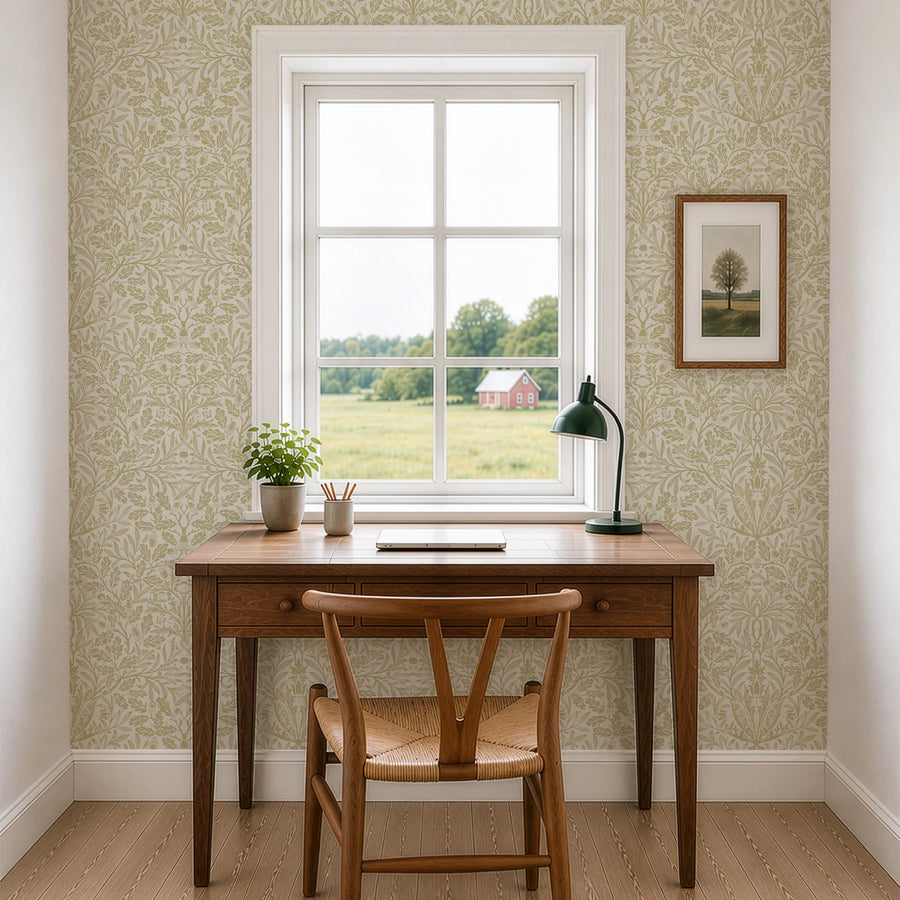

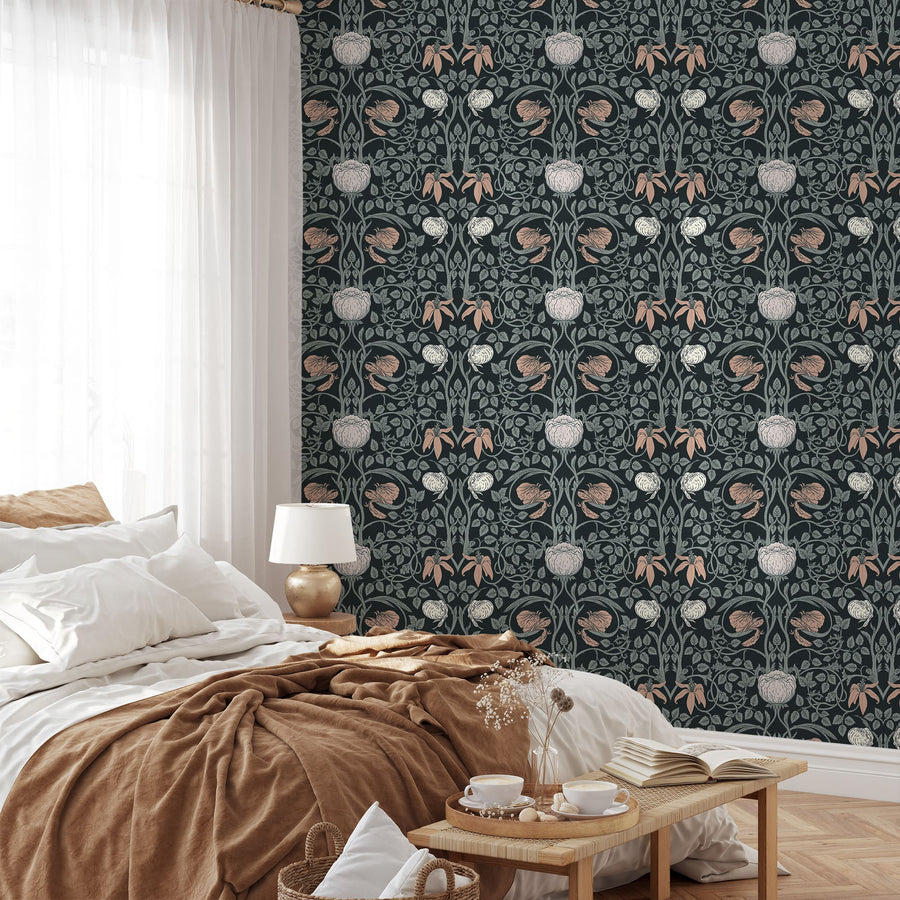

What Defines William Morris Style Wallpaper
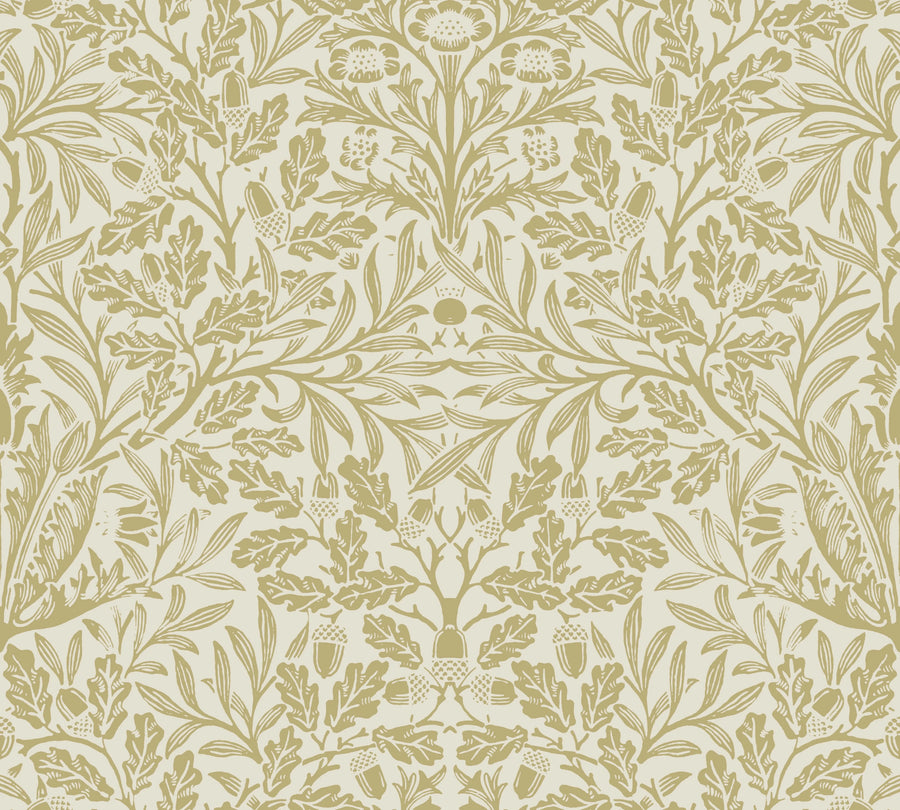
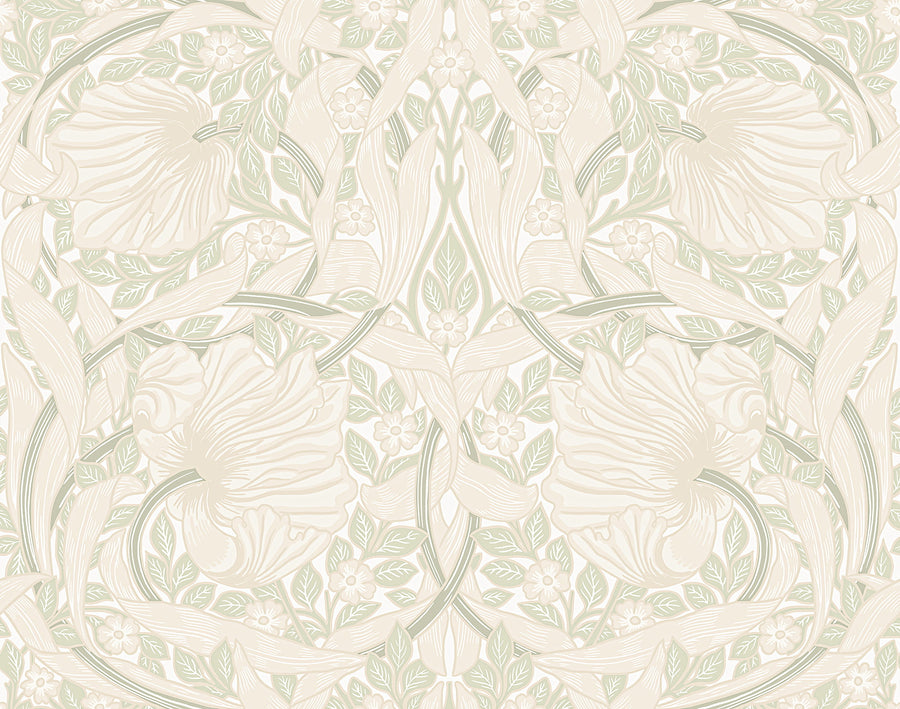
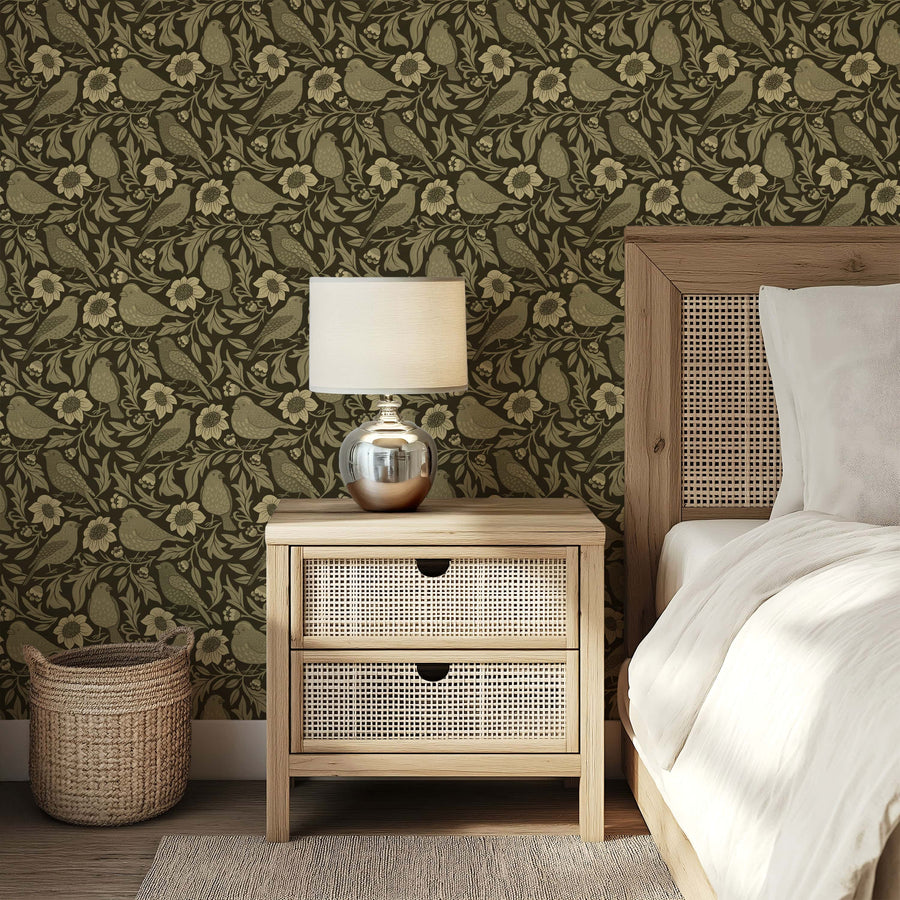
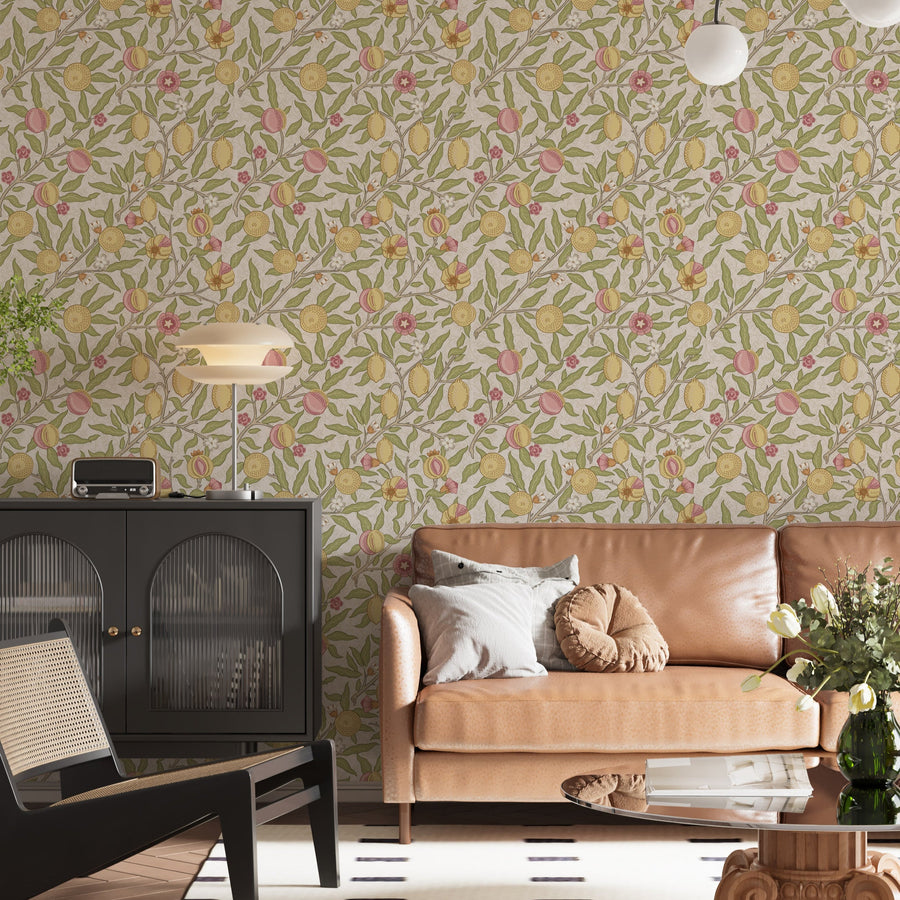
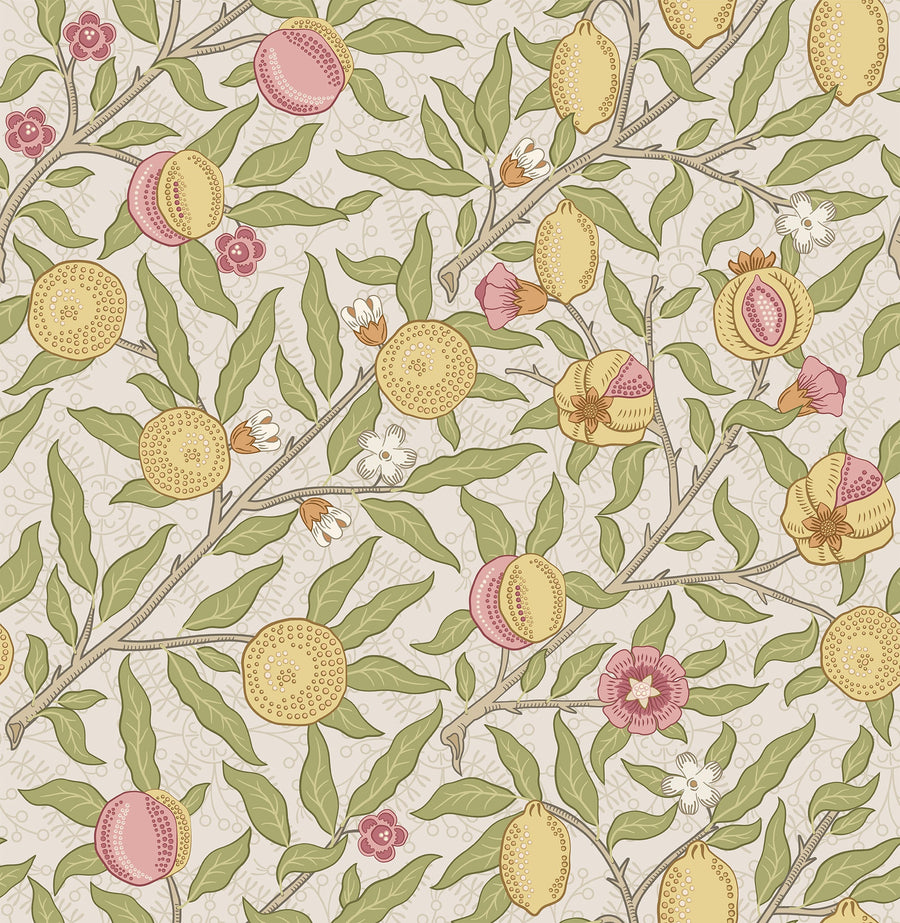
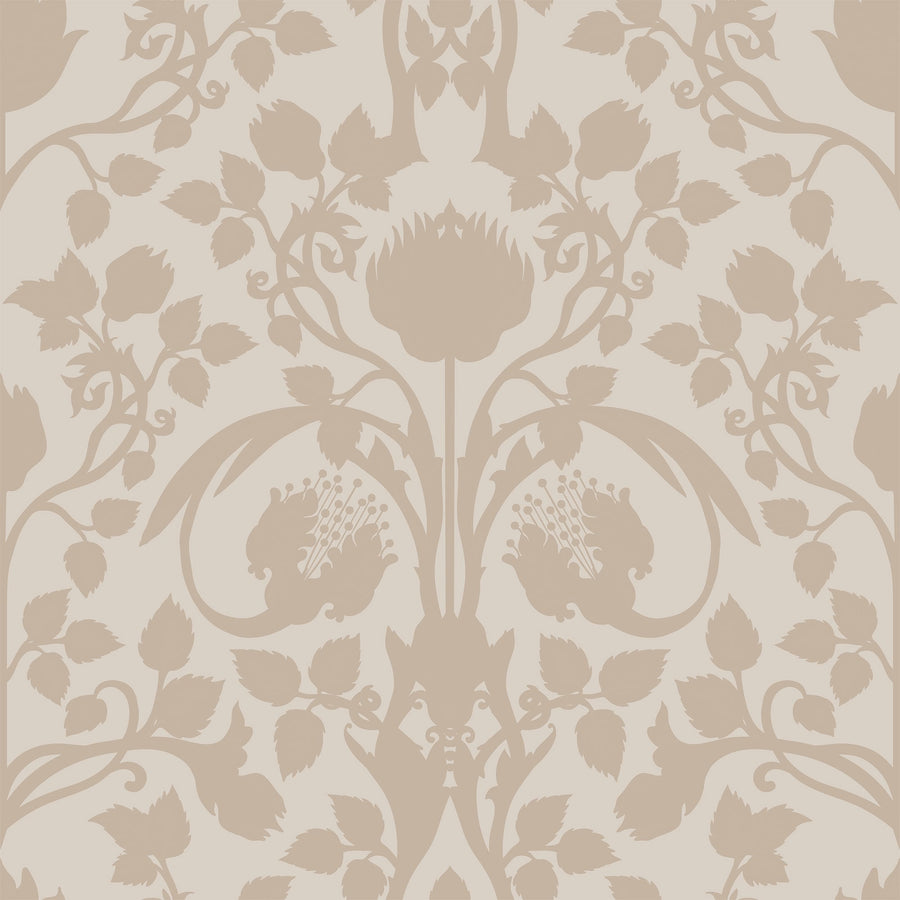
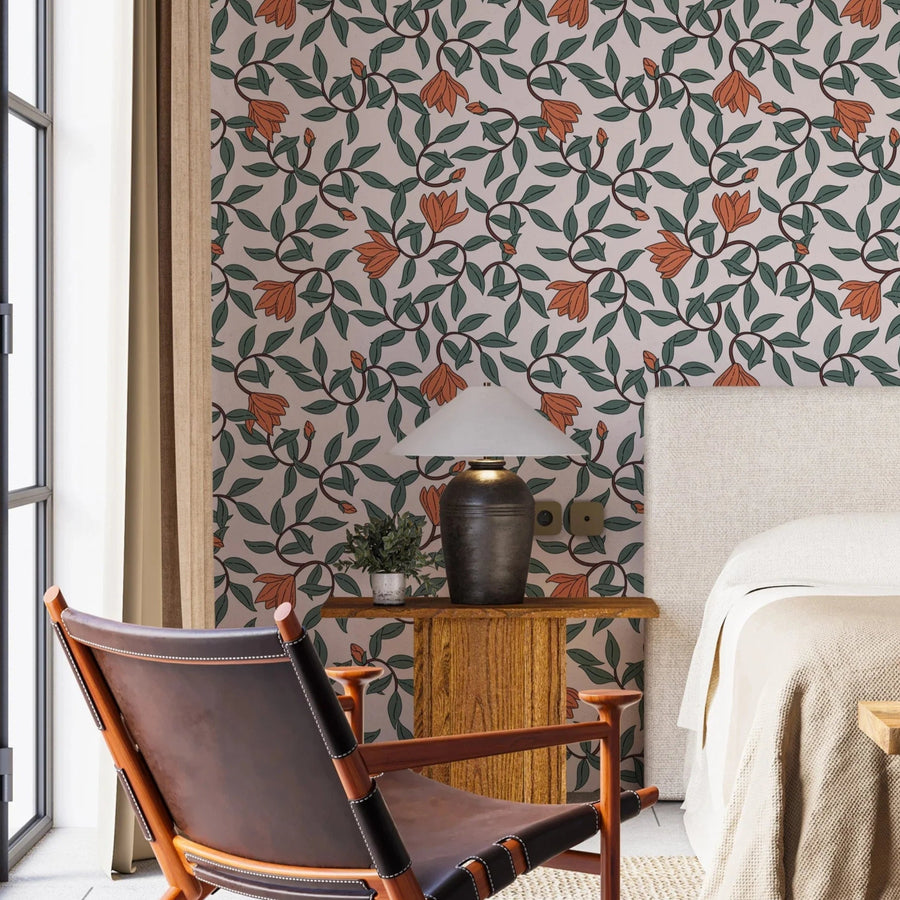
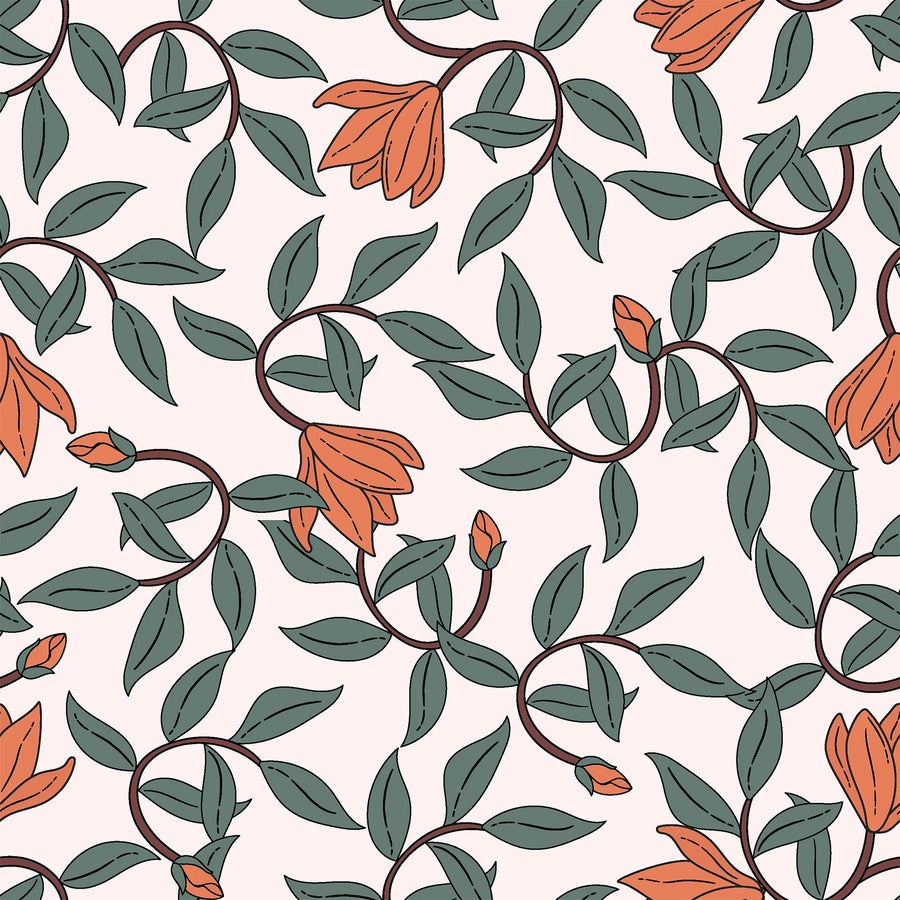
William Morris was the leading figure of the 19th-century Arts and Crafts movement, and his wallpapers - all drawn from the flowers, birds, and foliage of the British countryside - defined a look that has never gone out of style. What makes a pattern read as "Morris" is a recognizable set of traits: dense, all-over botanical repeats; trailing stems and scrolling acanthus leaves; songbirds, strawberries, and stylized blooms; and warm, nature-drawn palettes of sage, indigo, ochre, and terracotta. The effect is rhythmic and immersive - pattern as texture rather than a single focal motif.
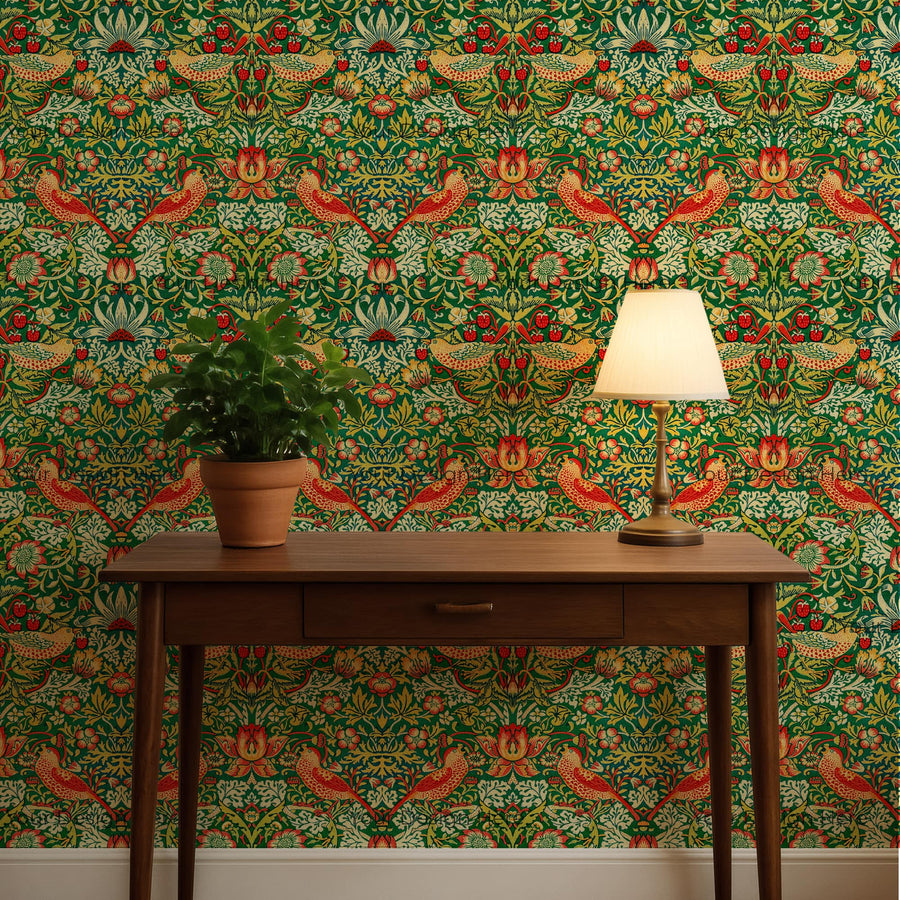
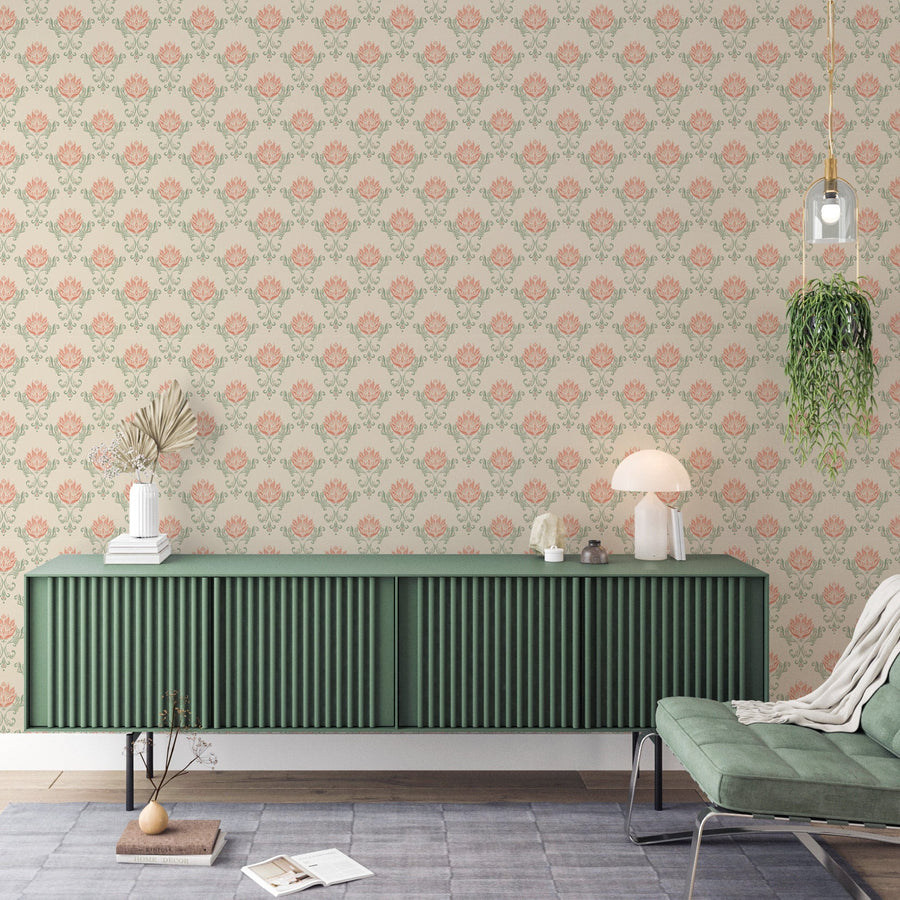
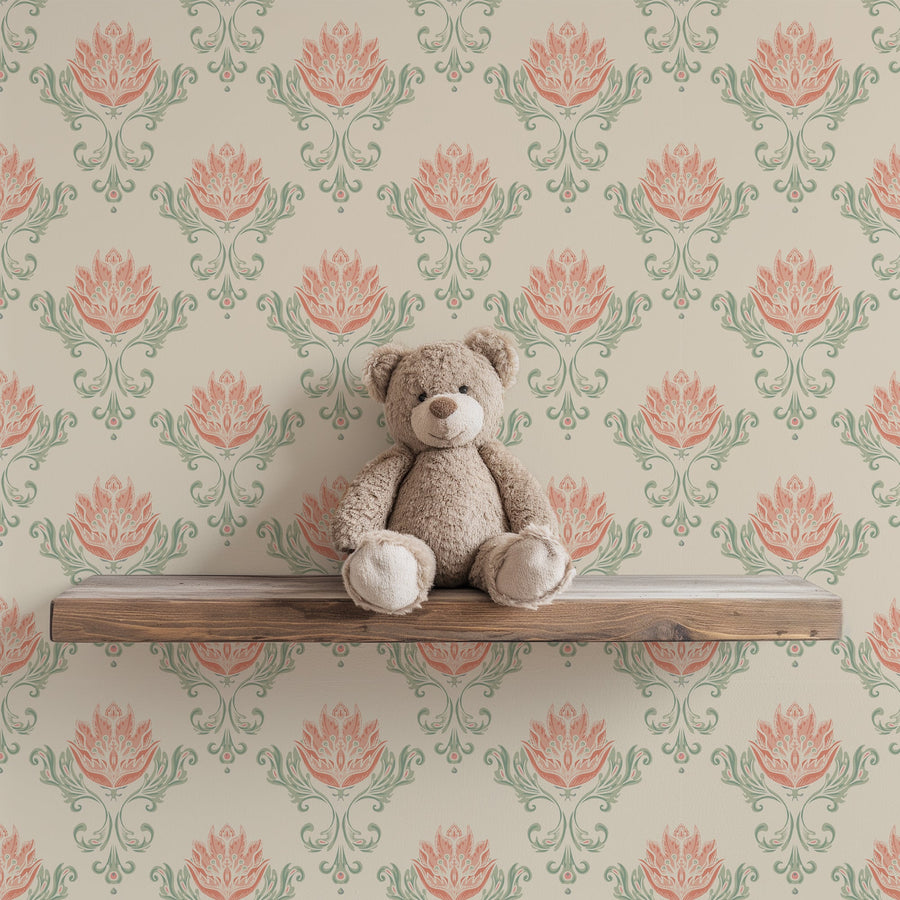
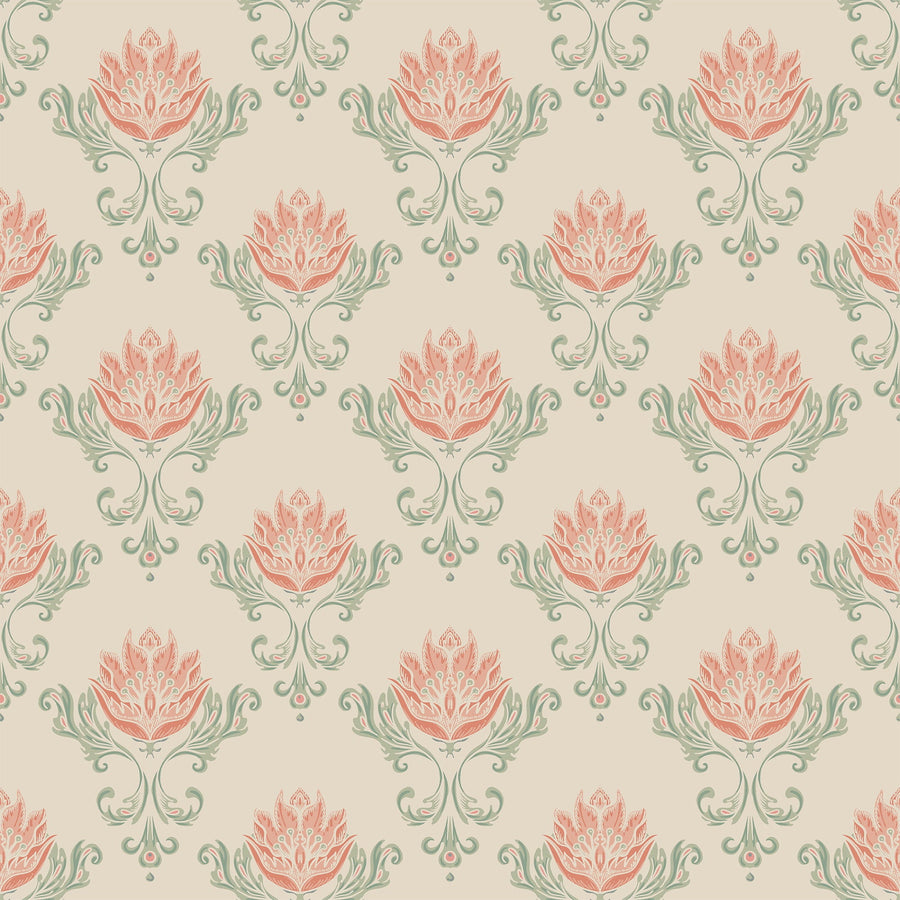
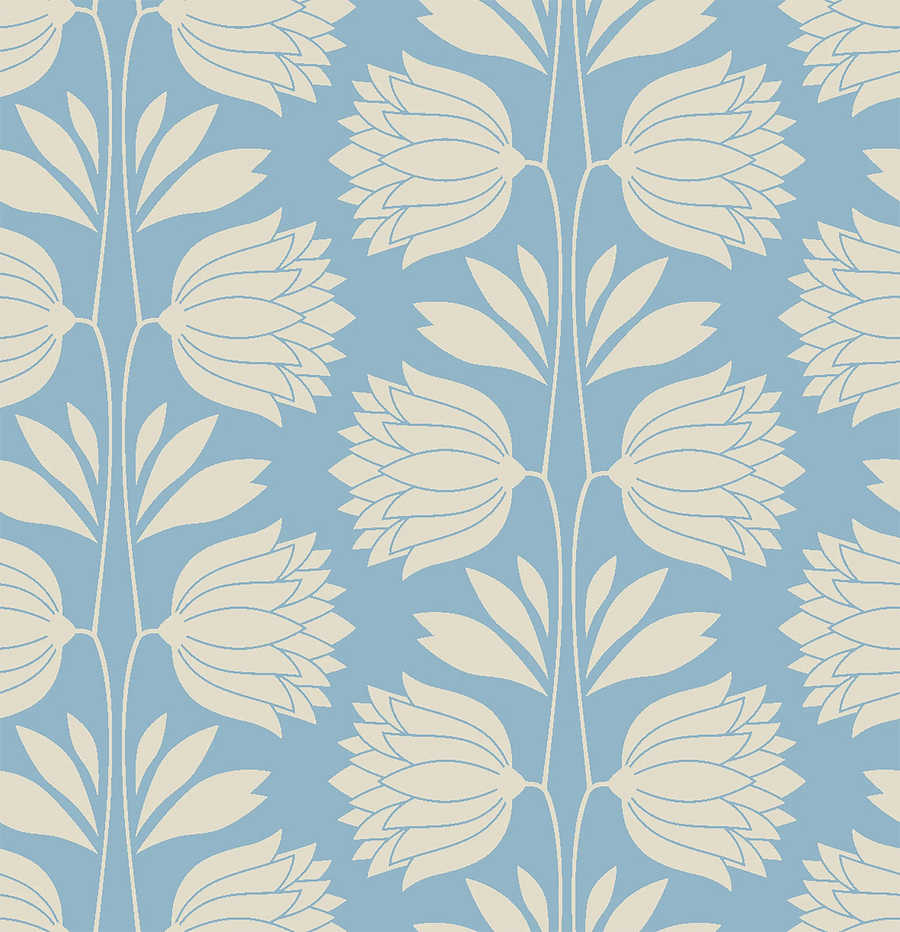
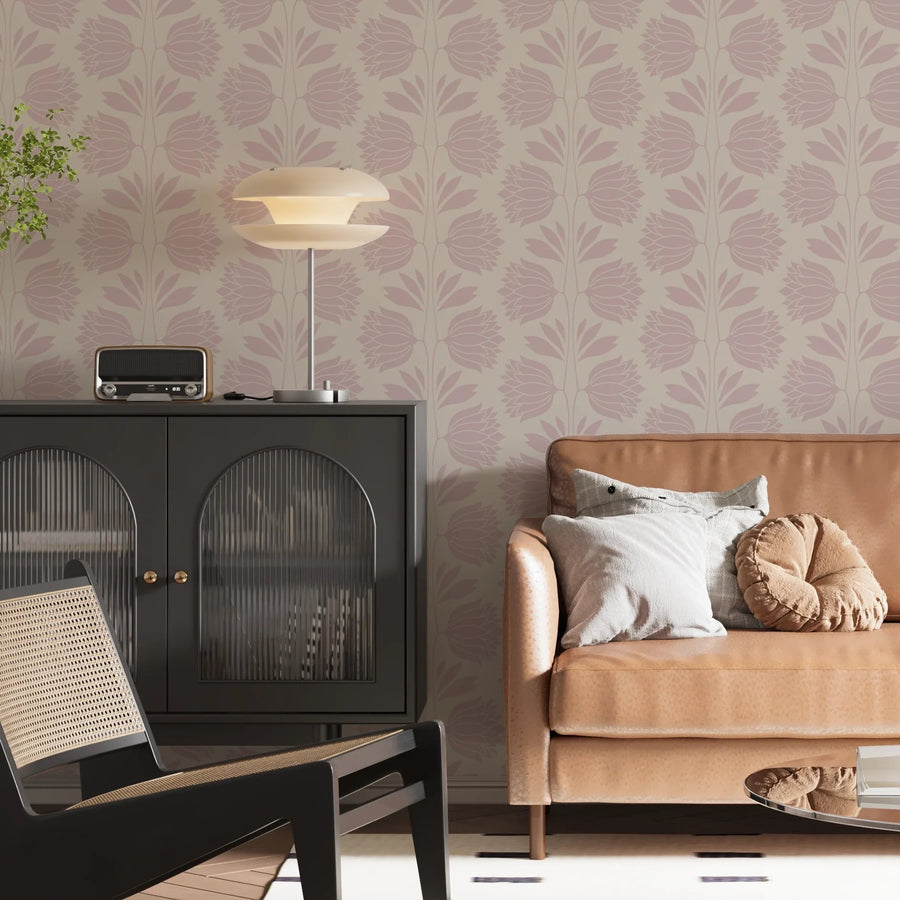
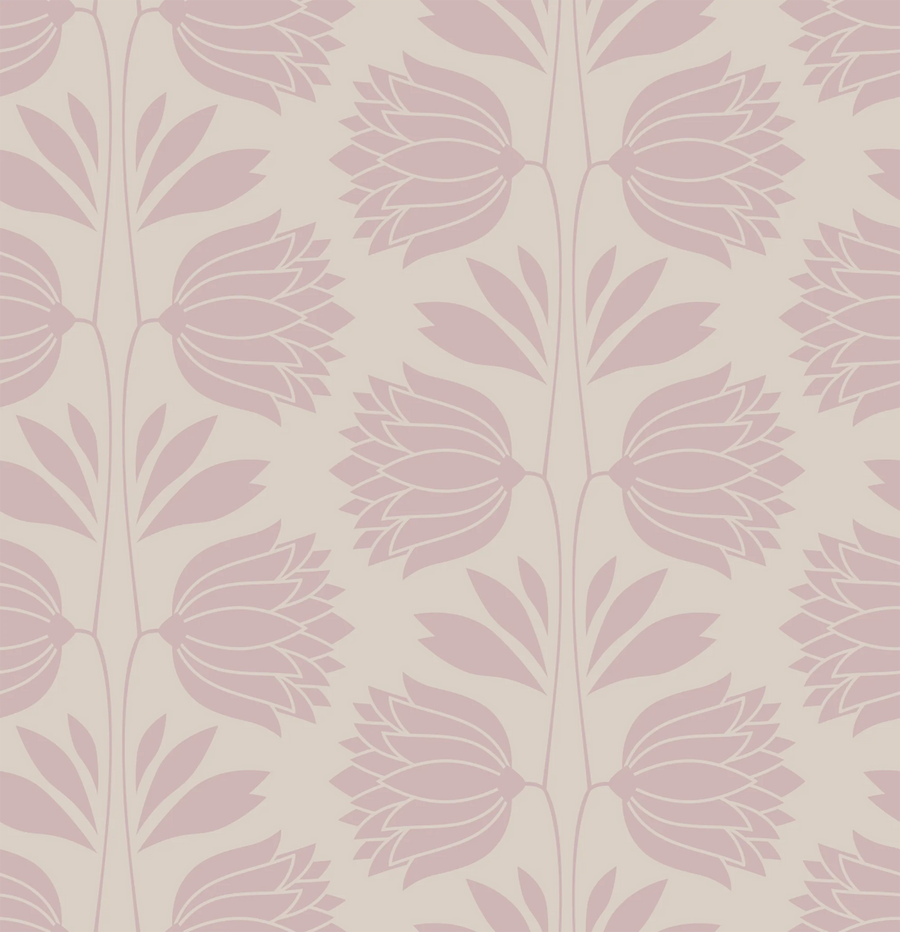
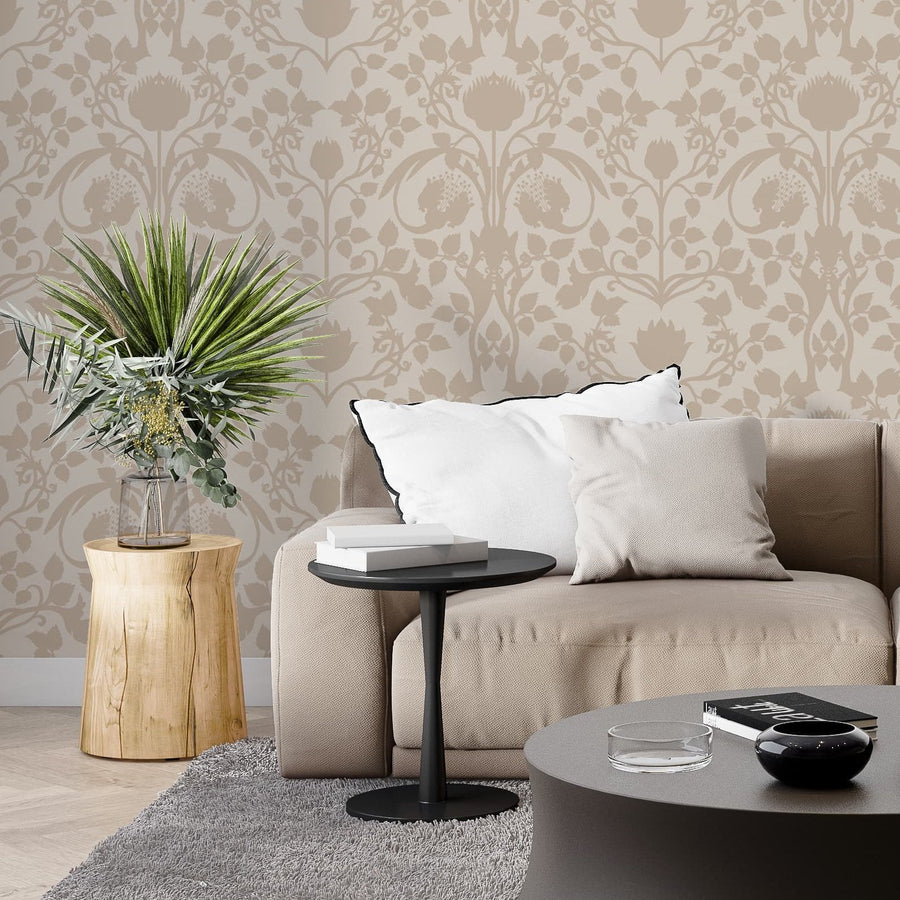
Our floral and botanical designs in this collection are original EazzyWalls artwork created in that tradition - the same arts-and-crafts spirit, reinterpreted in modern colorways. The style overlaps naturally with vintage and cottagecore looks, and for a more formal, symmetrical heritage pattern, our damask wallpaper collection is a natural companion. Its deep greens also make it a favorite within our green wallpaper range.
The Classic Morris Wallpaper That Inspire the Style
The William Morris look is built on a handful of iconic patterns. Knowing them helps you recognize the style and choose the right density for your room:
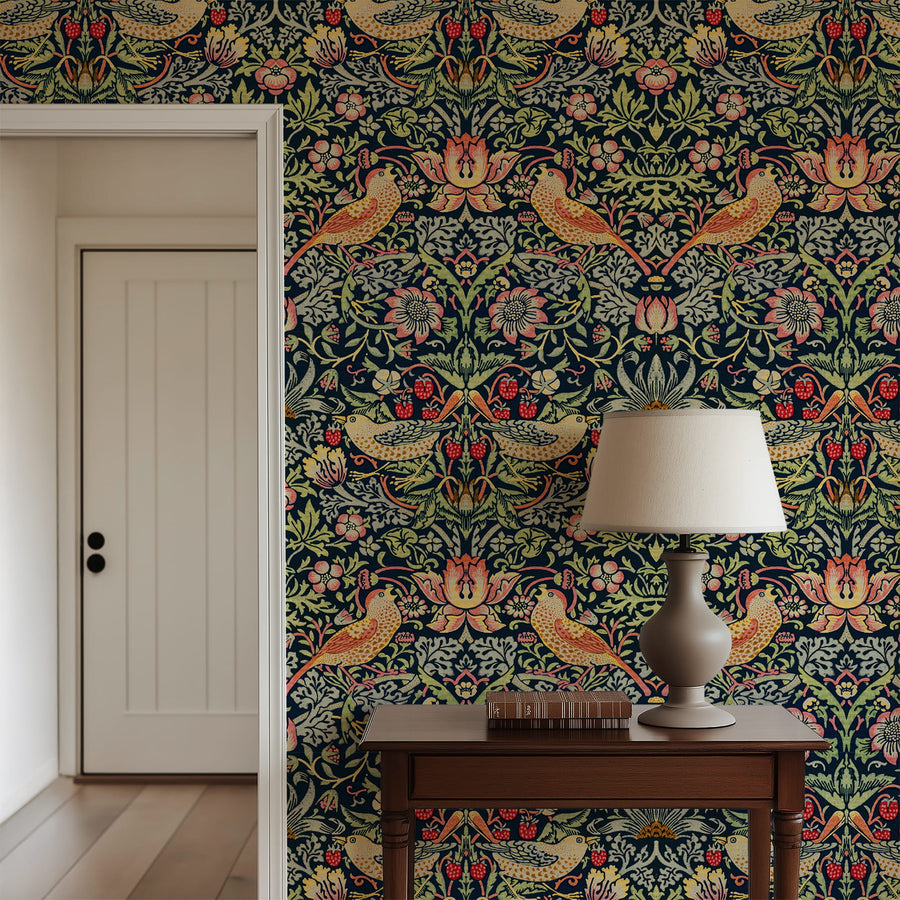
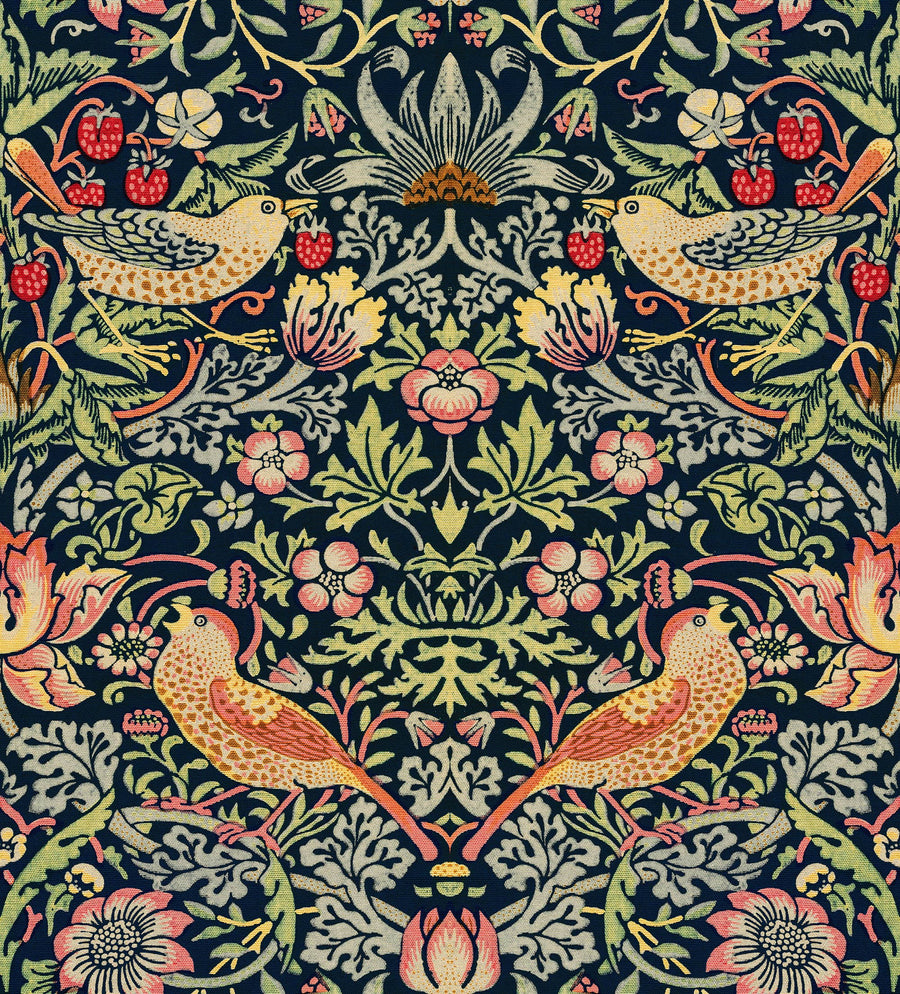
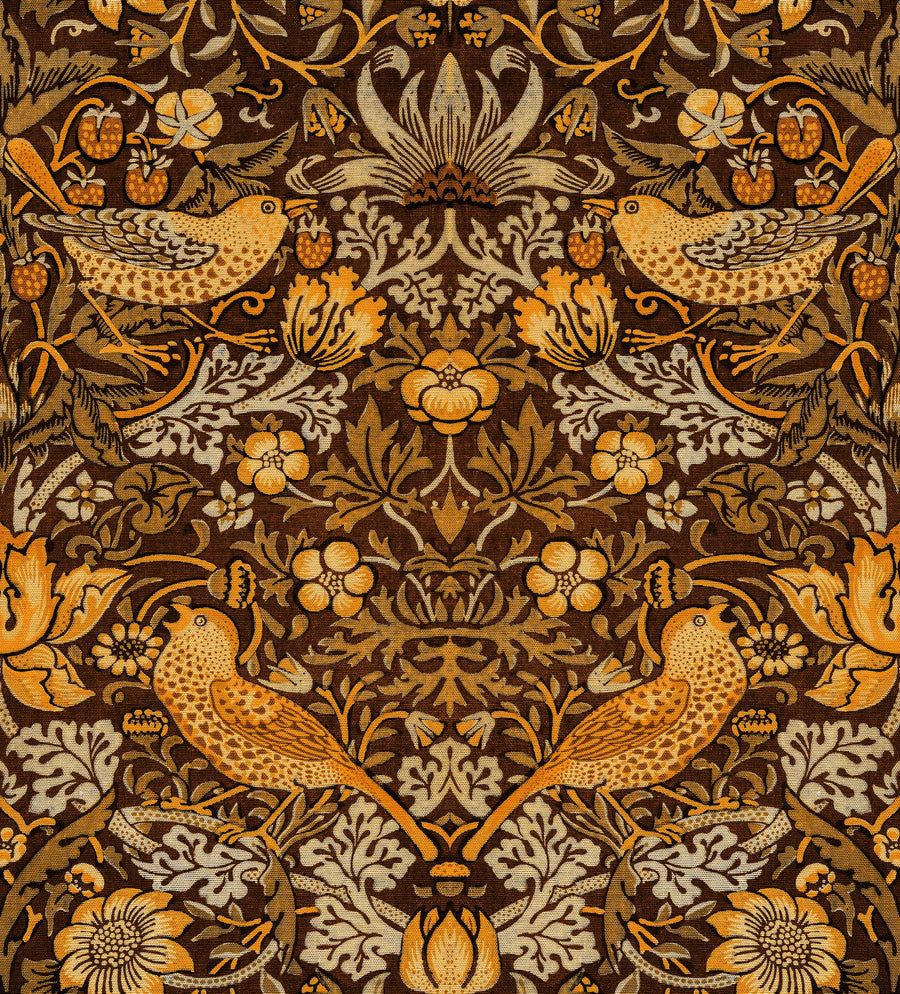
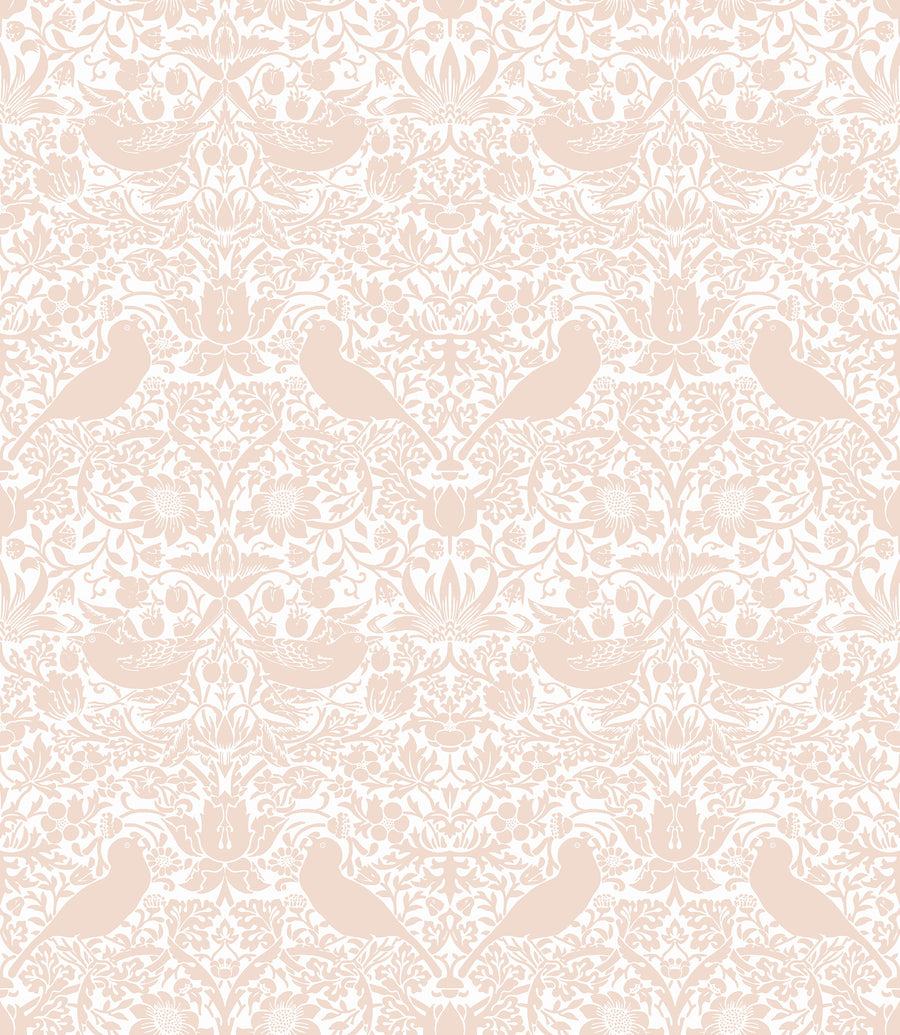
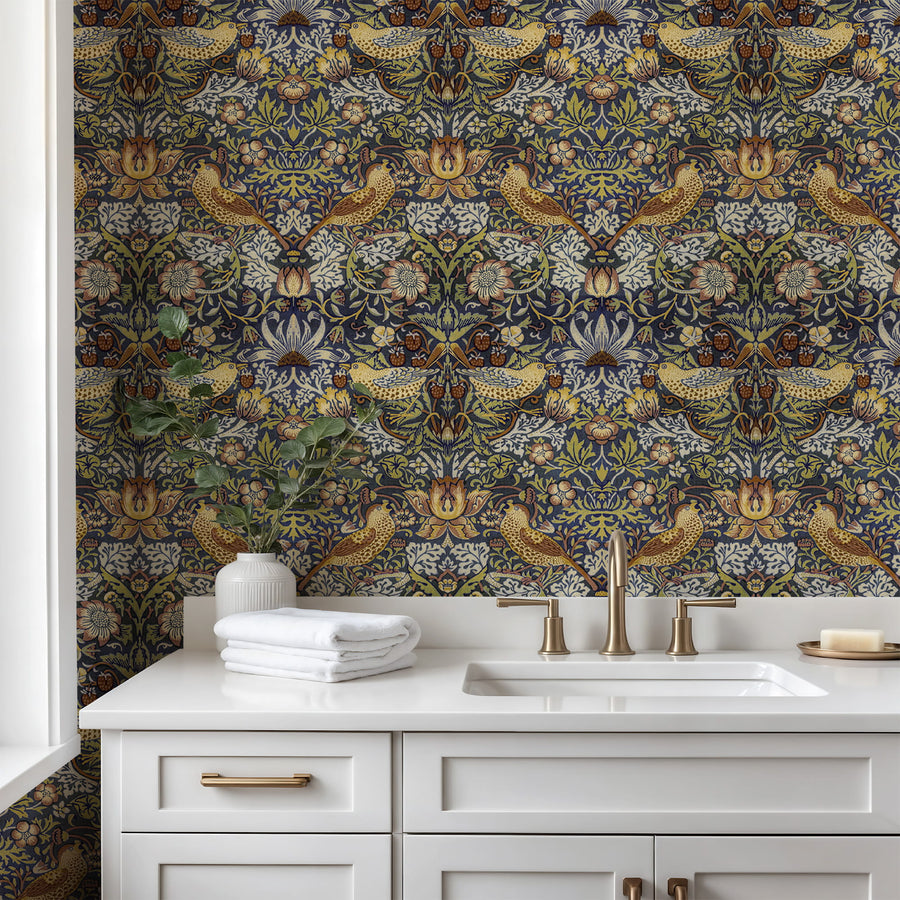
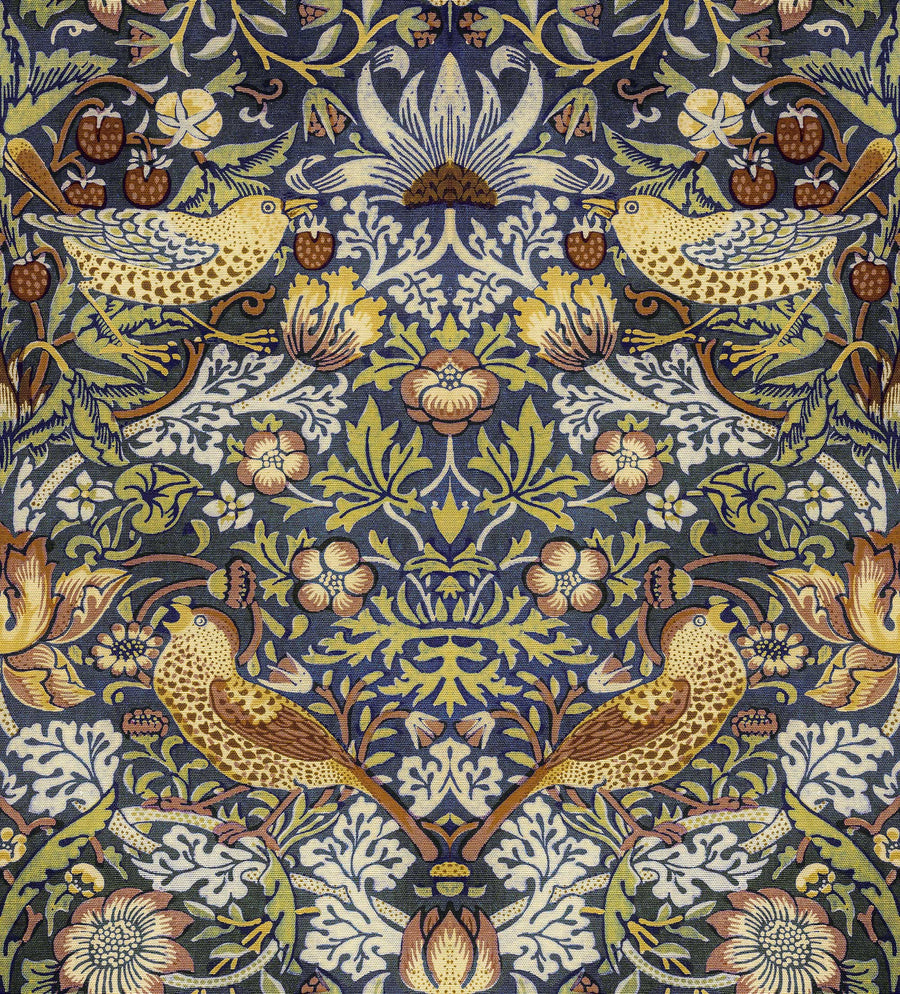
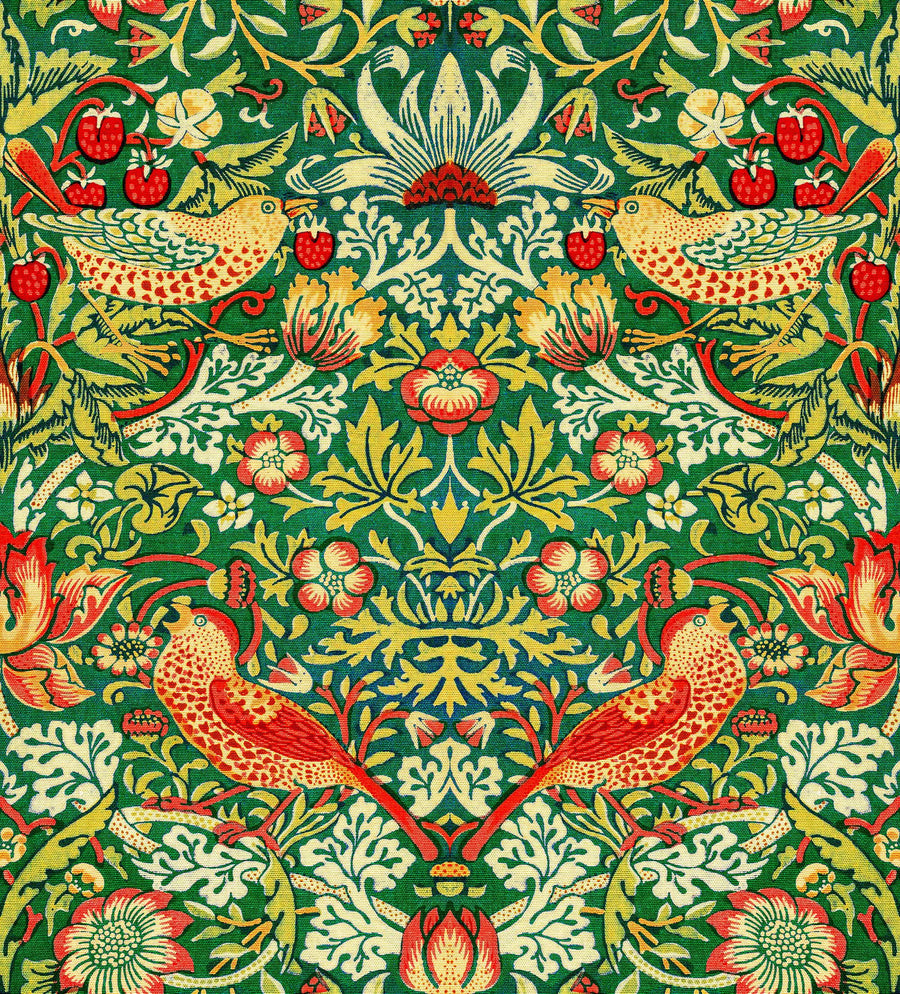
Strawberry Thief. Morris's most famous design (1883), featuring thrushes stealing strawberries. A friendly, symmetrical pattern that suits kitchens, studies, and living rooms.
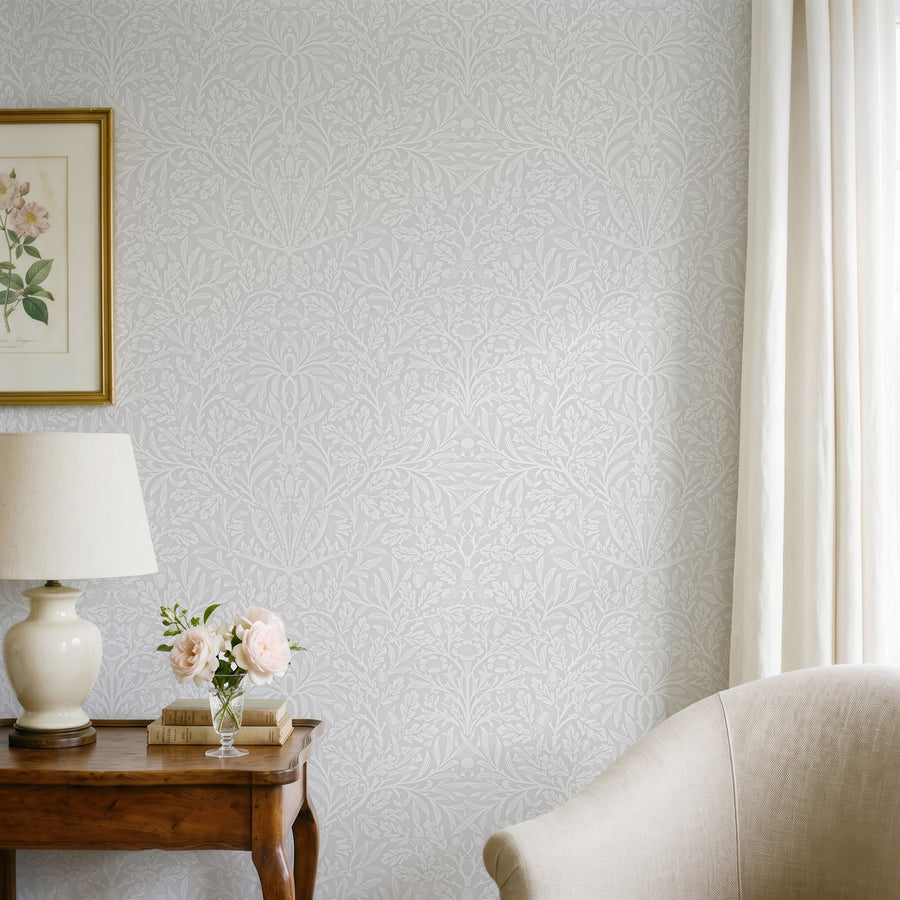
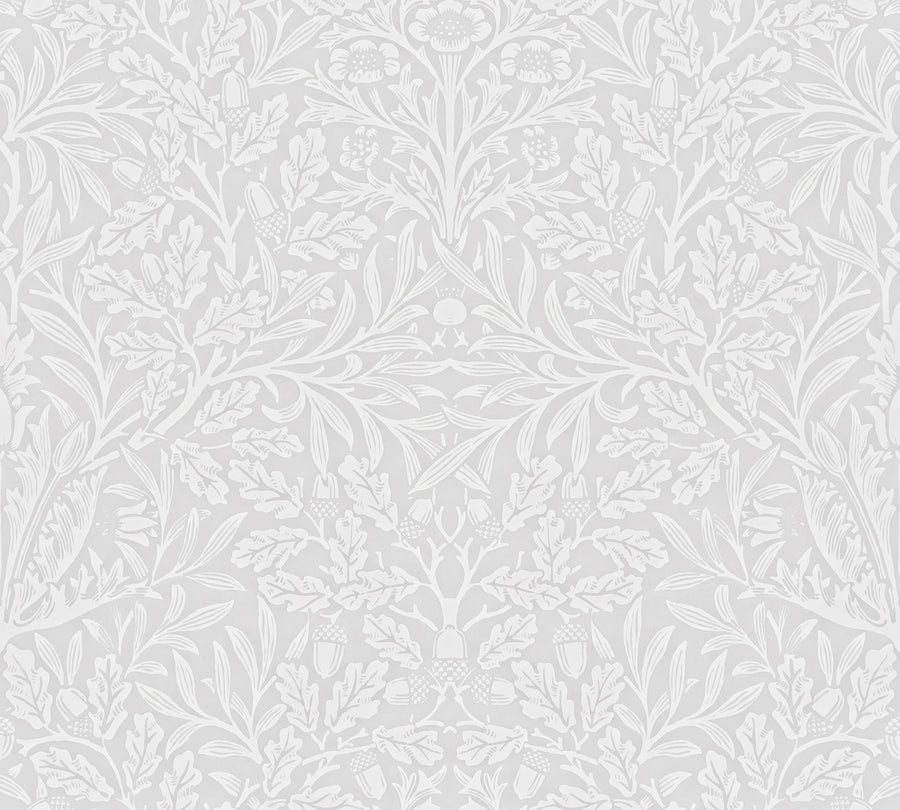
Willow Bough. Soft willow leaves on curving stems, almost monochrome. The gentlest, most modern-friendly Morris look — ideal for small rooms, bedrooms, and hallways where a busier pattern would overwhelm.
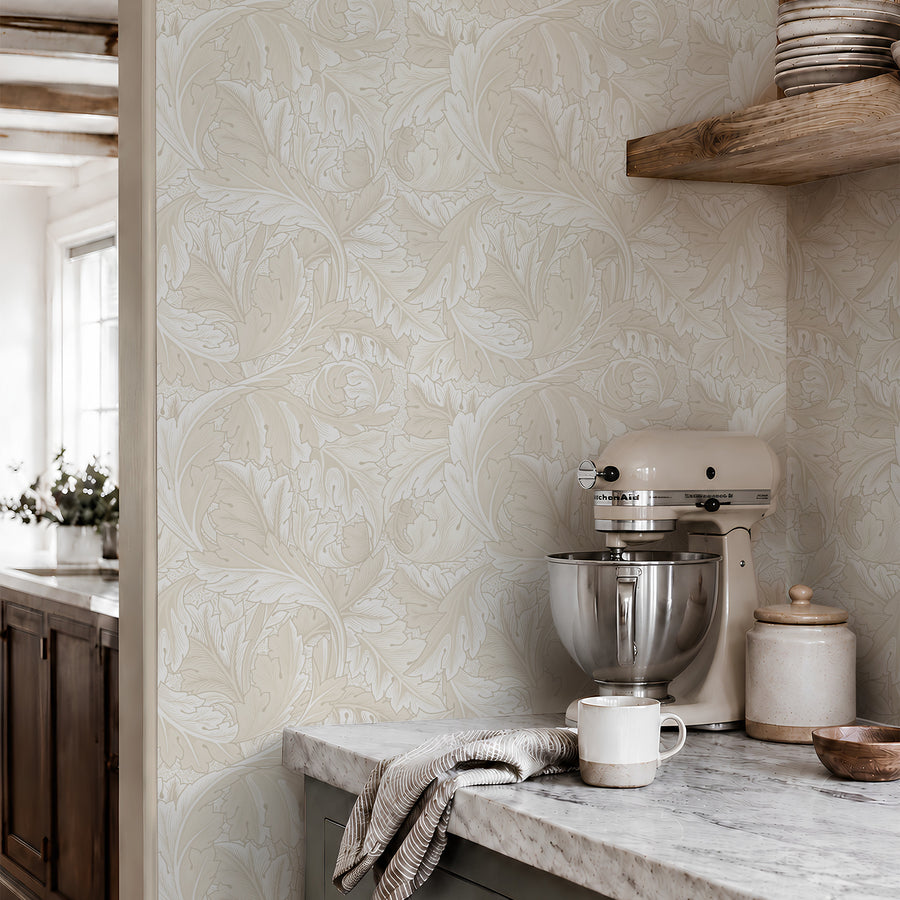
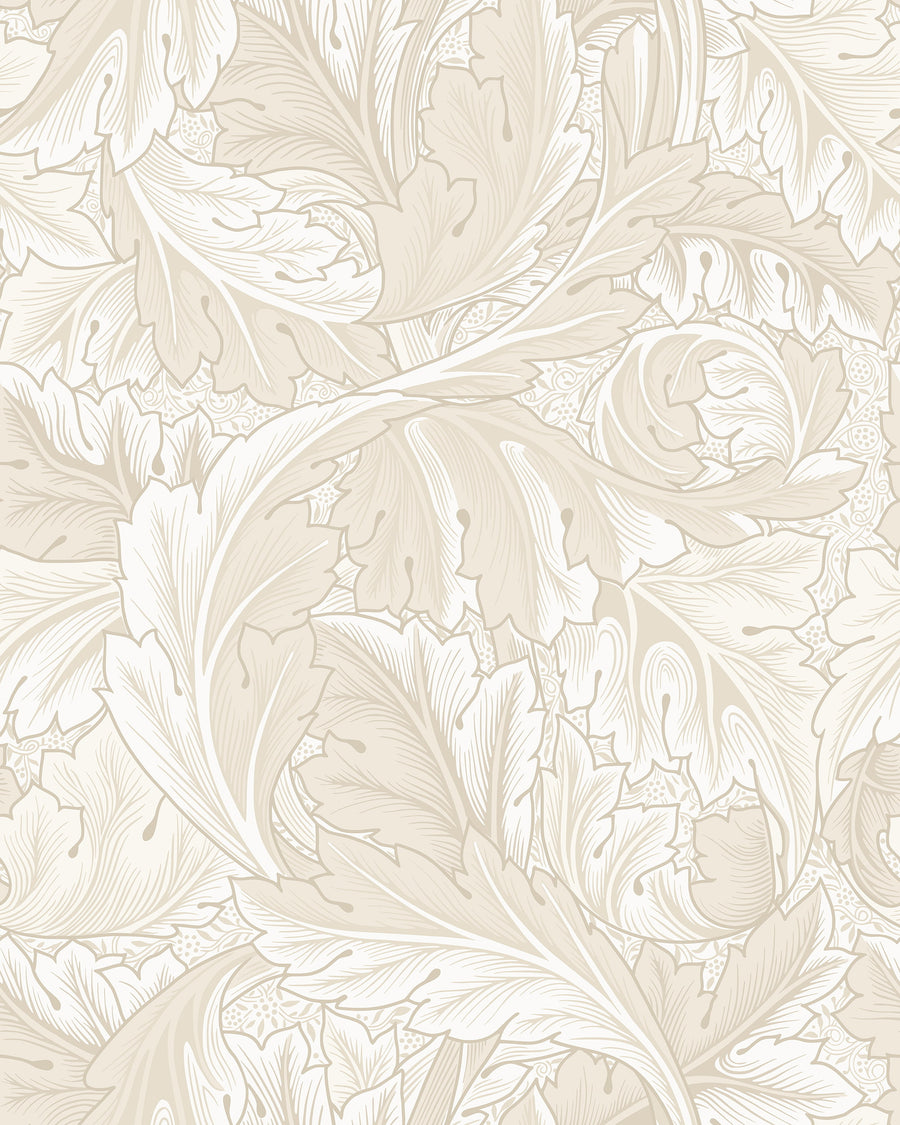
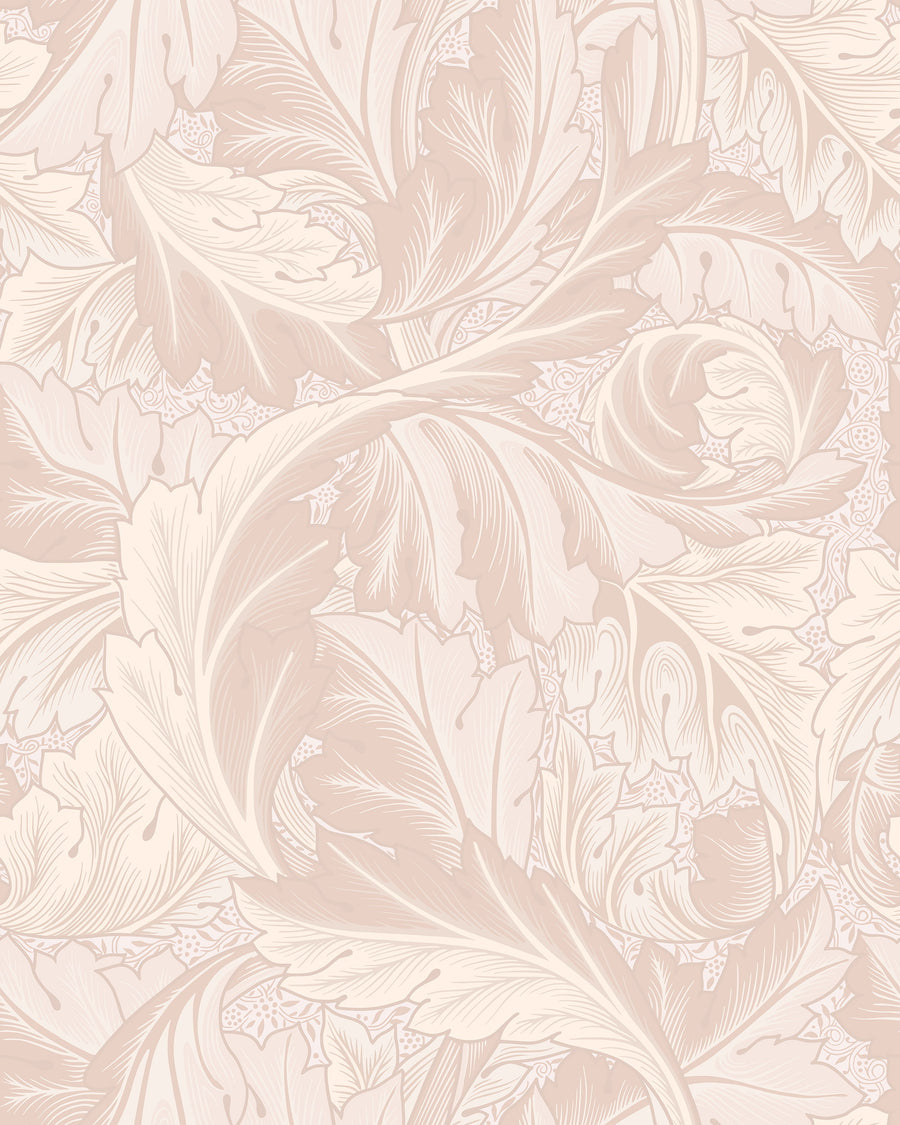
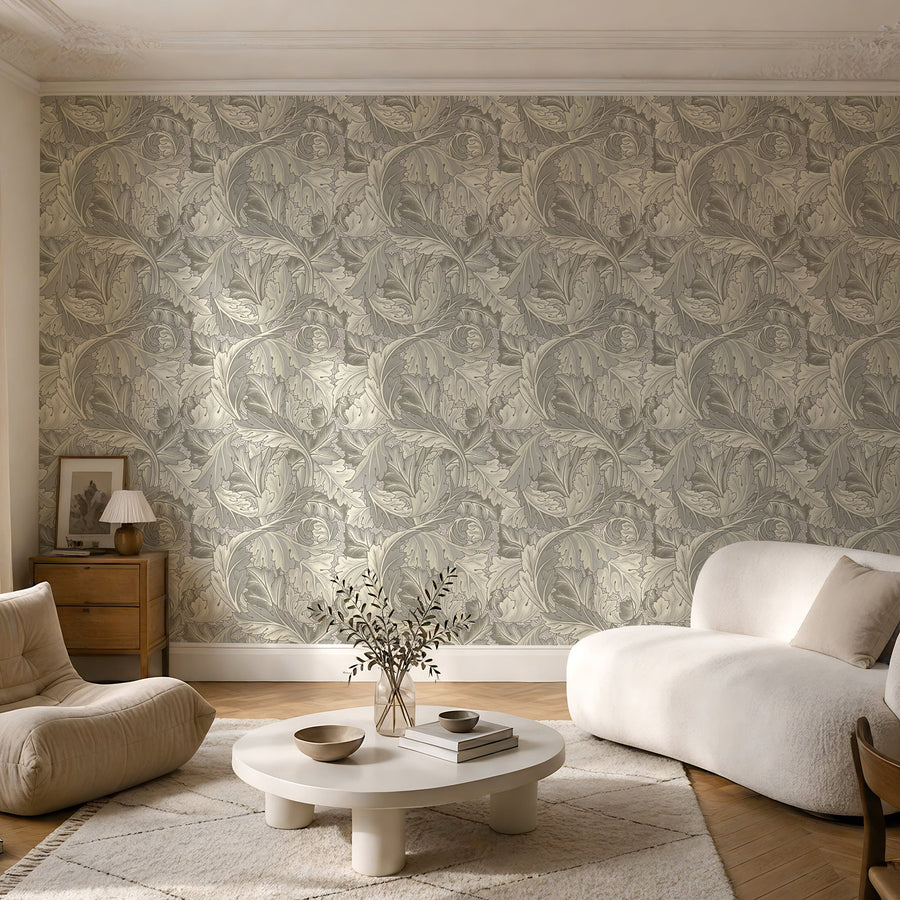
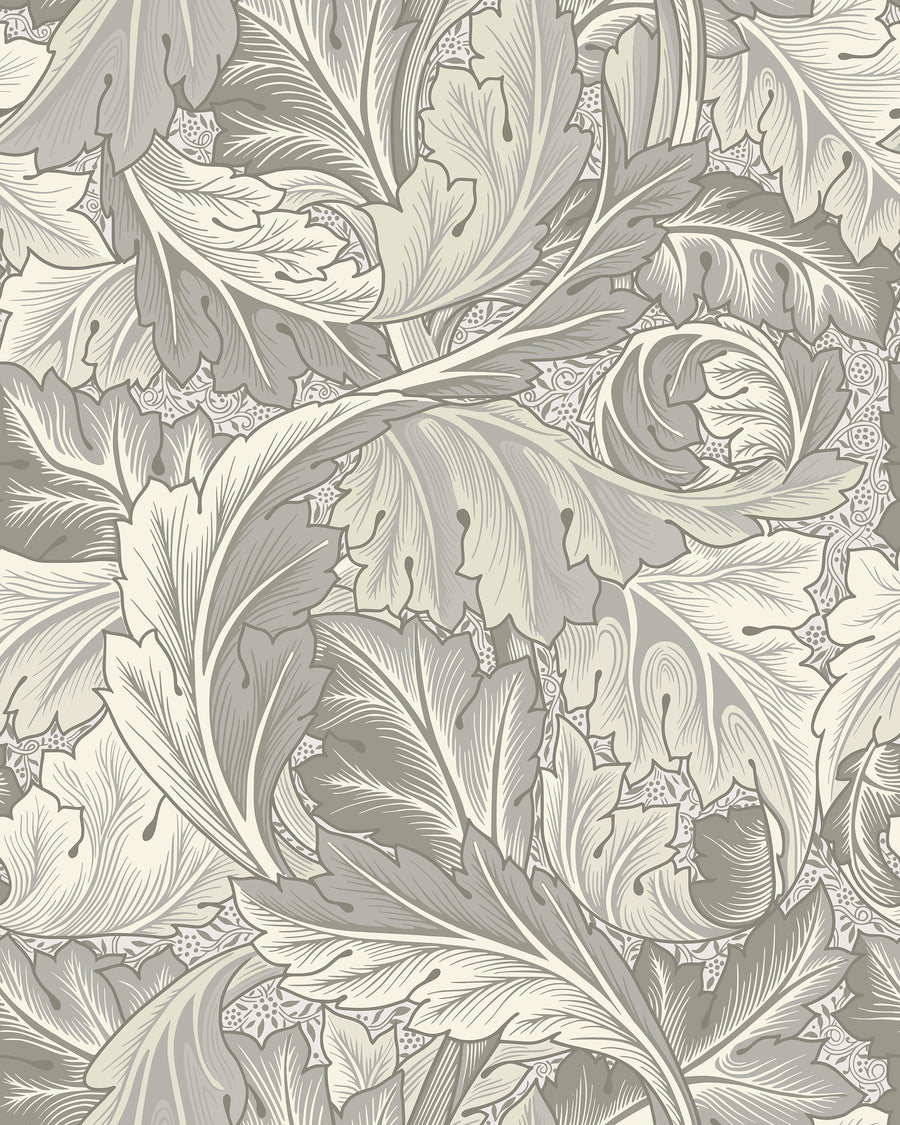
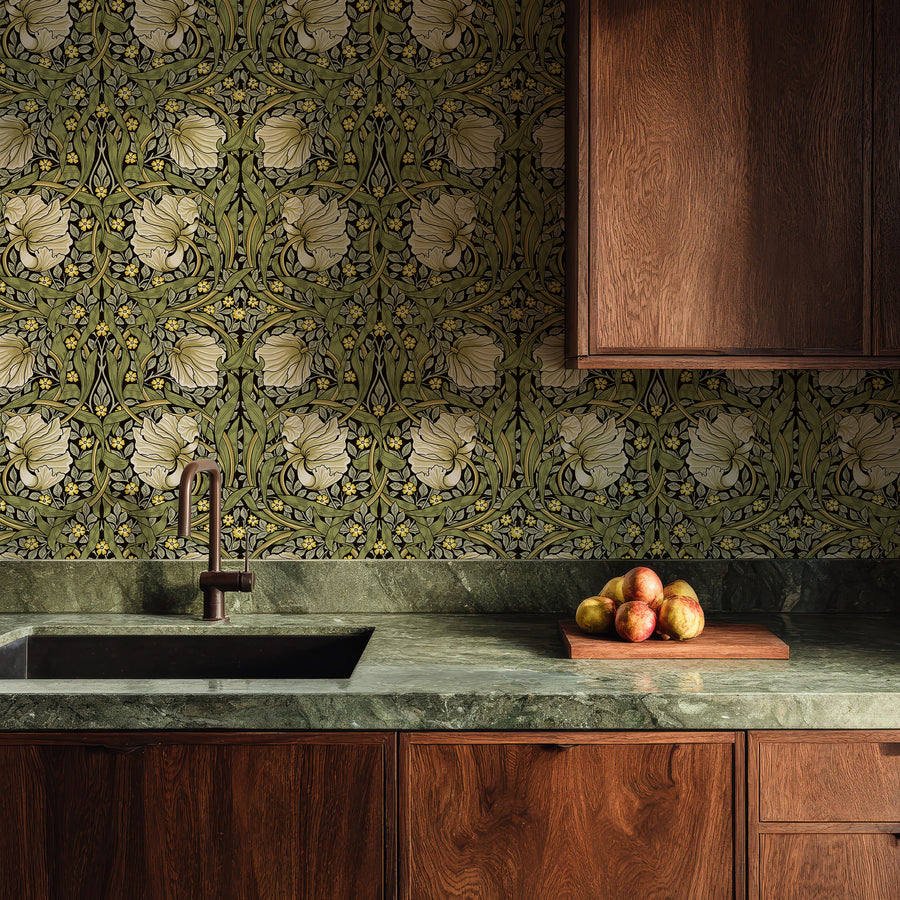
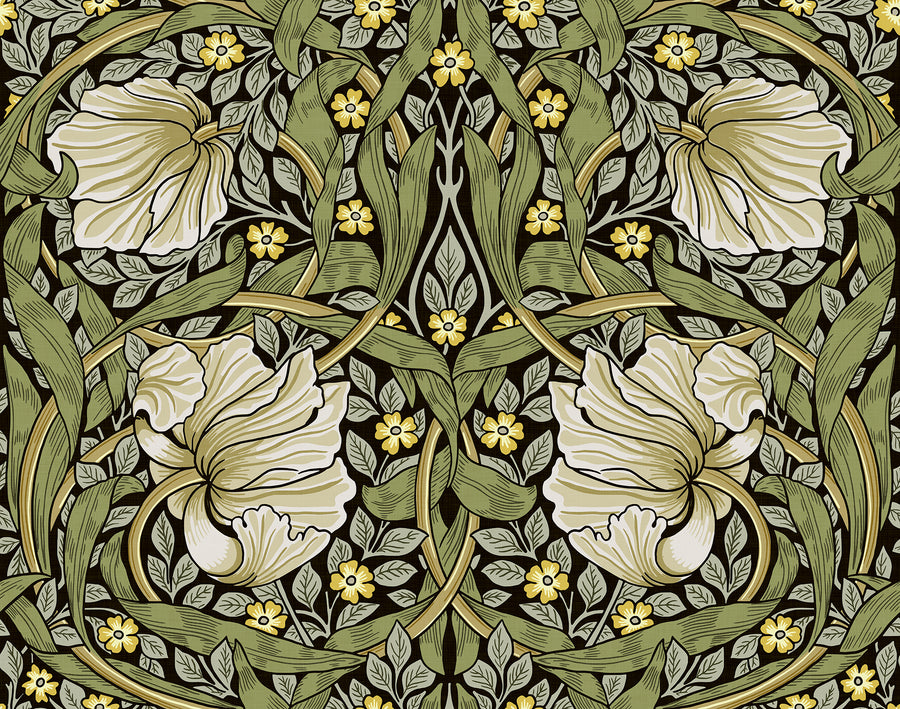
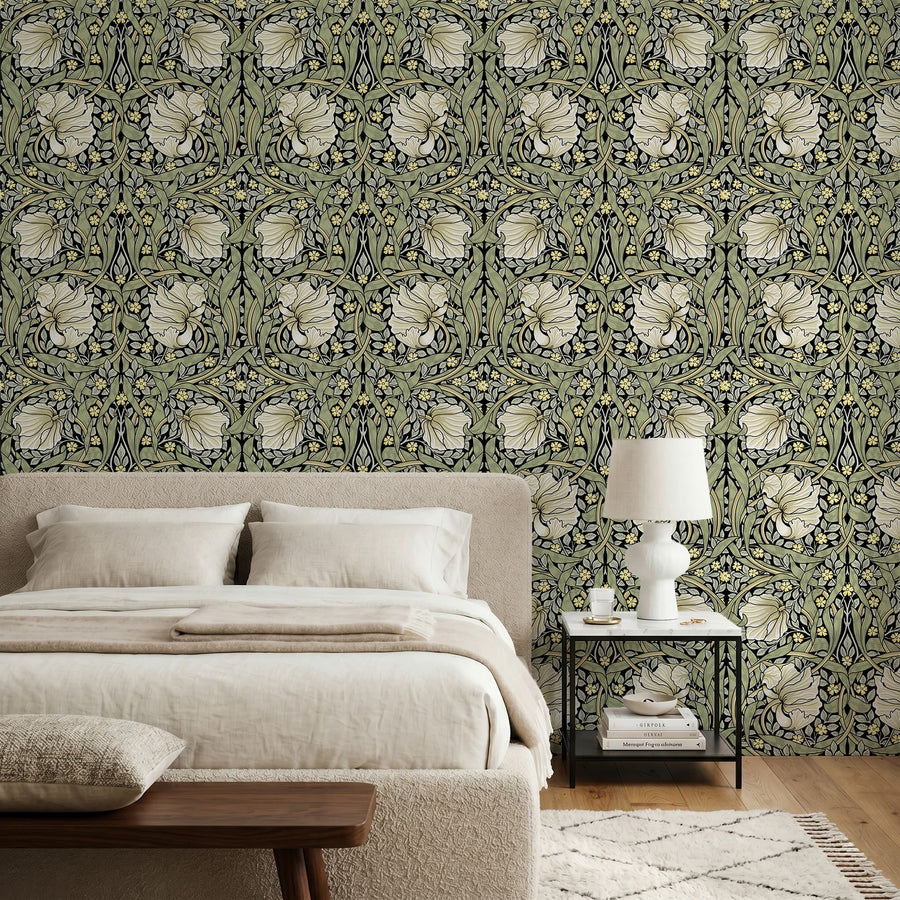
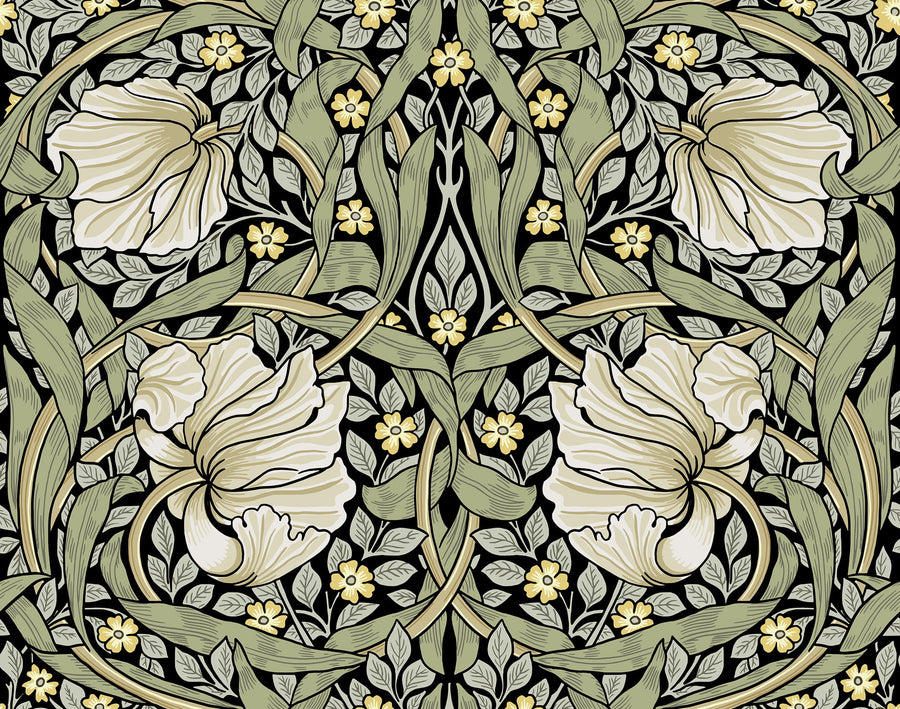
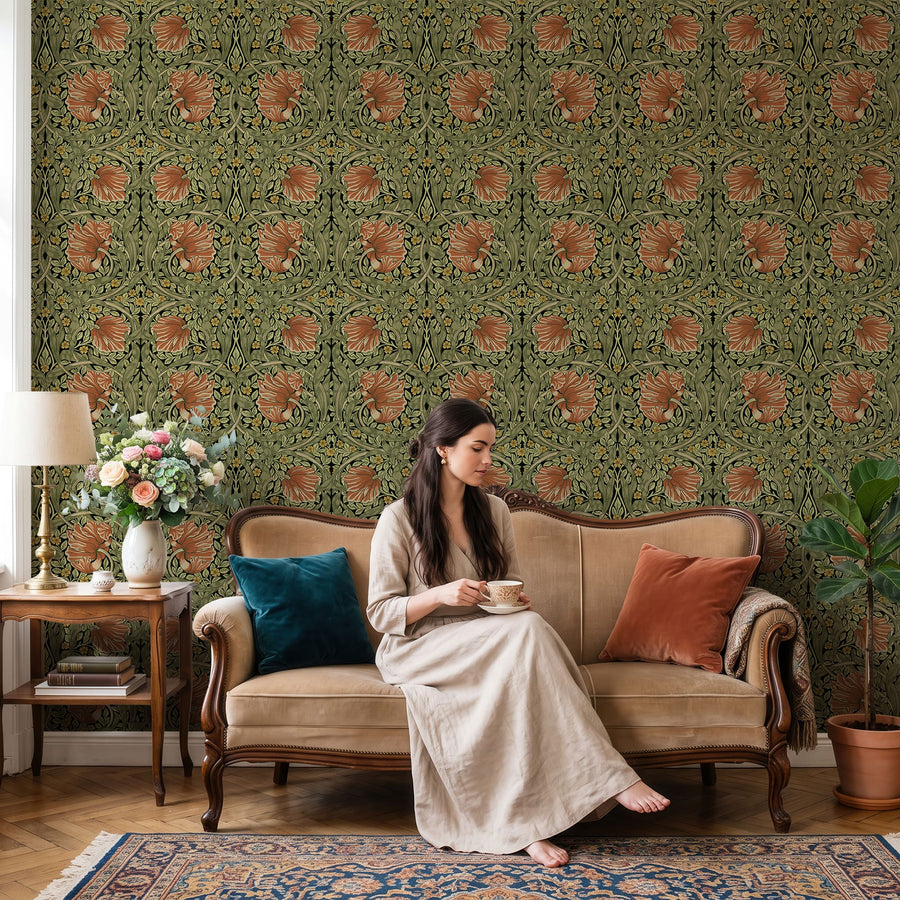
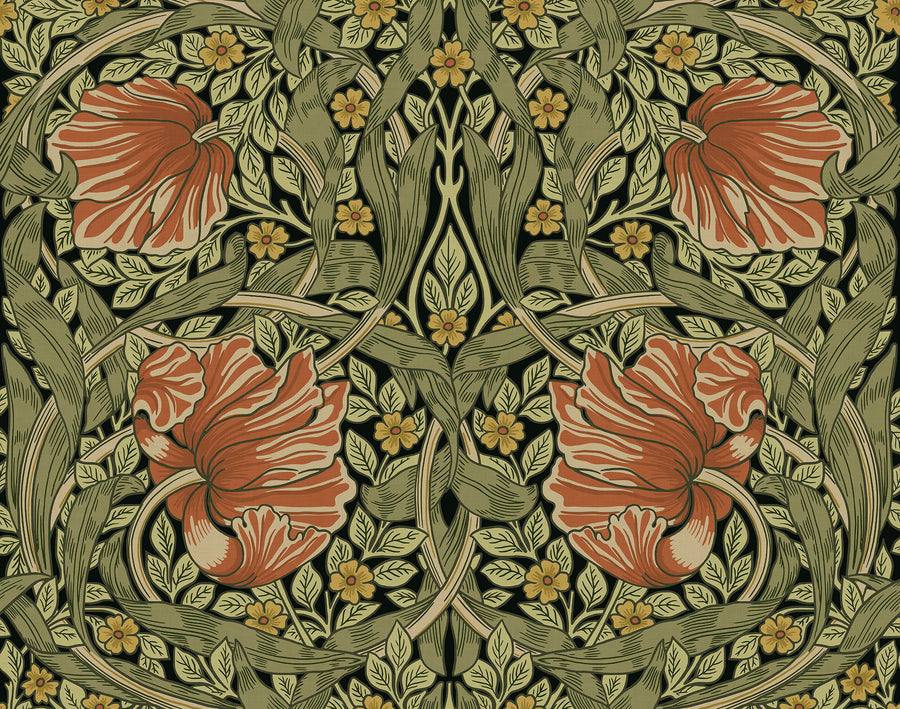
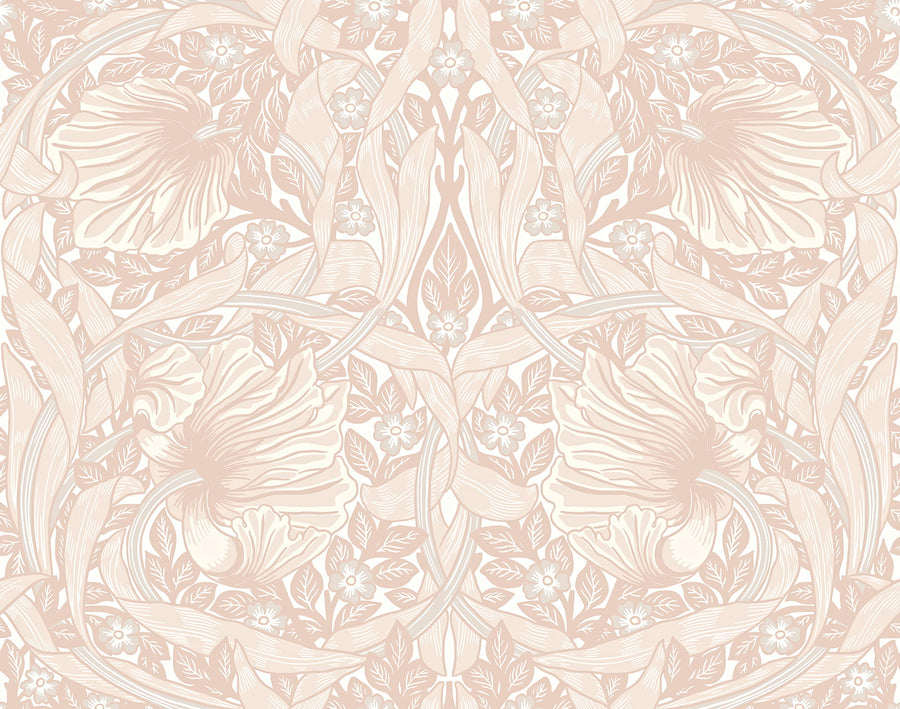
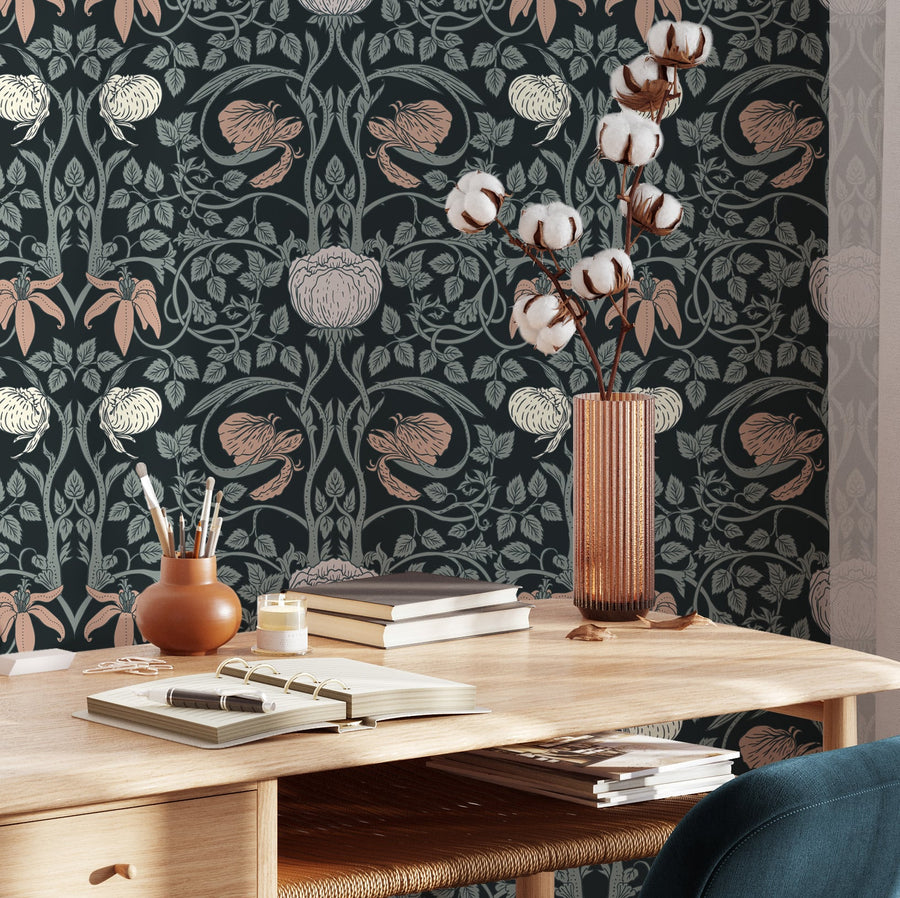
Pimpernel & Acanthus. Denser, layered patterns of large blooms and curling acanthus leaves. These are statement designs with real depth — Morris hung Pimpernel in his own dining room. Best on a feature wall with space to breathe.
Trellis. Morris's very first pattern (1864), a rose-on-lattice design inspired by his own garden. Structured and gridded, it reads a touch more geometric than his later florals.
Honeysuckle, Chrysanthemum & Golden Lily. The most ornamental end of the style — multiple flower types, dense grounds, rich color. These are the "wow" patterns, and they reward being used large.
Our collection draws on this whole vocabulary, so whether you want the quiet texture of a willow-and-leaf print or the drama of a dense, layered bloom, there's a Morris-style design to match.
How to Decorate with William Morris Style Wallpaper
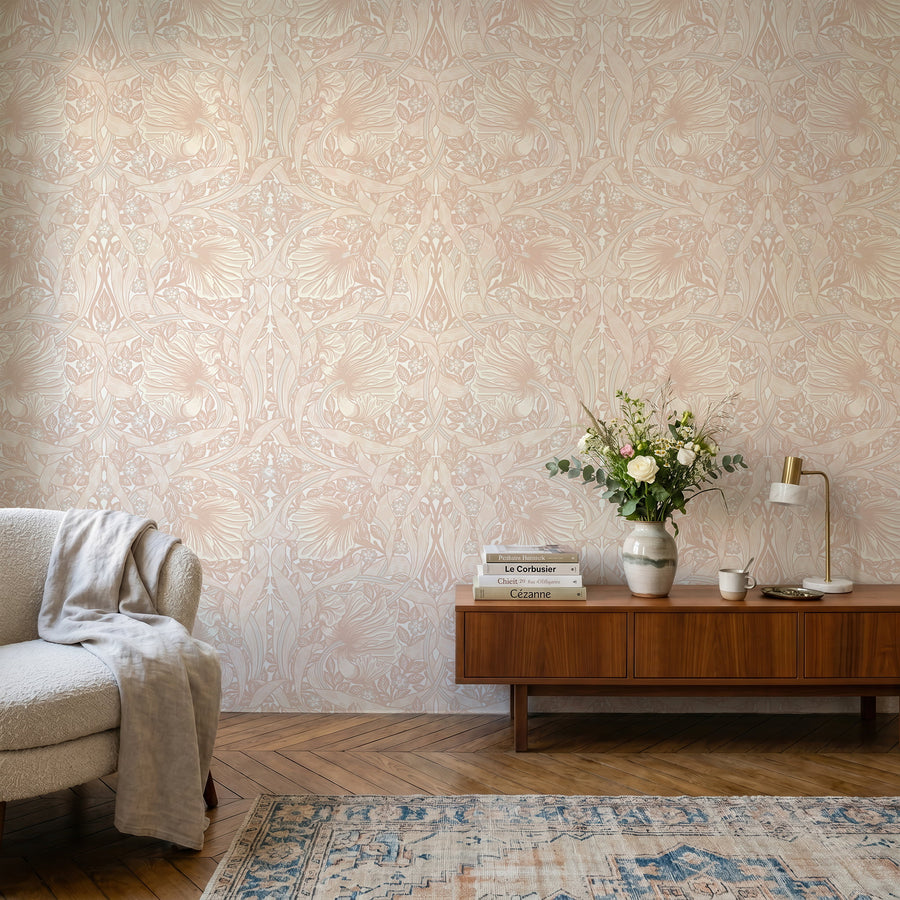
The trick to using Morris-inspired wallpaper today is to avoid the heritage-gift-shop look - one confident pattern on a plain wall reads as contemporary, while too many competing florals read as fussy. Match the pattern's density to the room and how you use it.
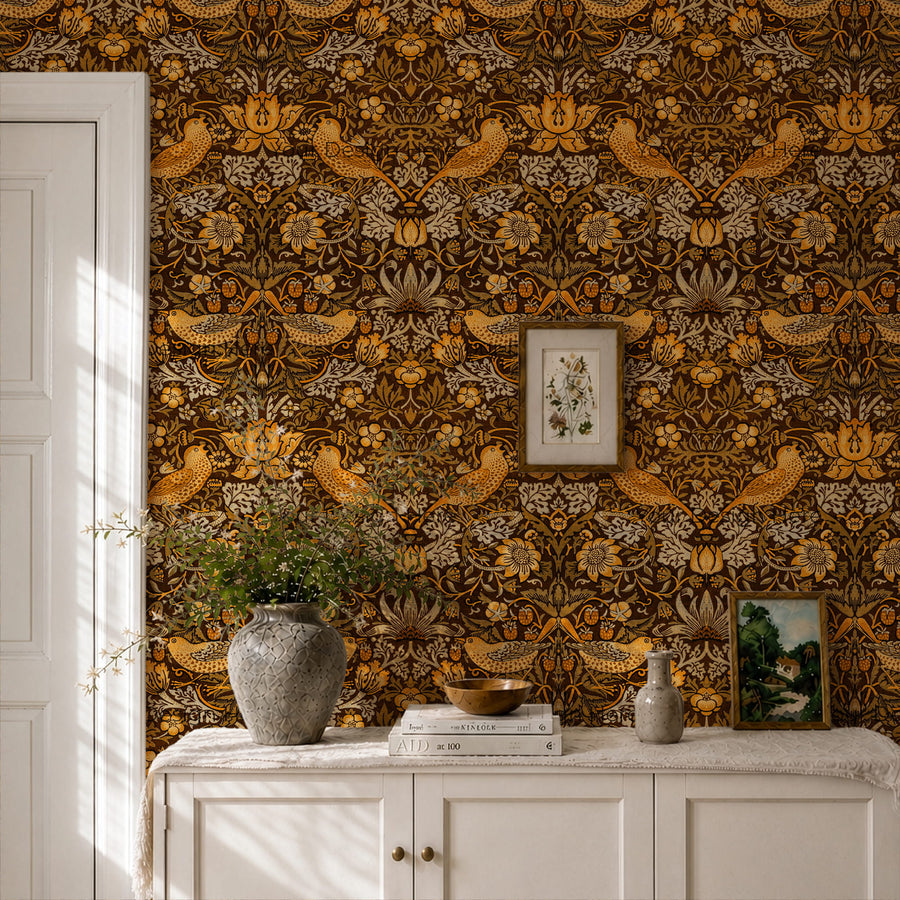
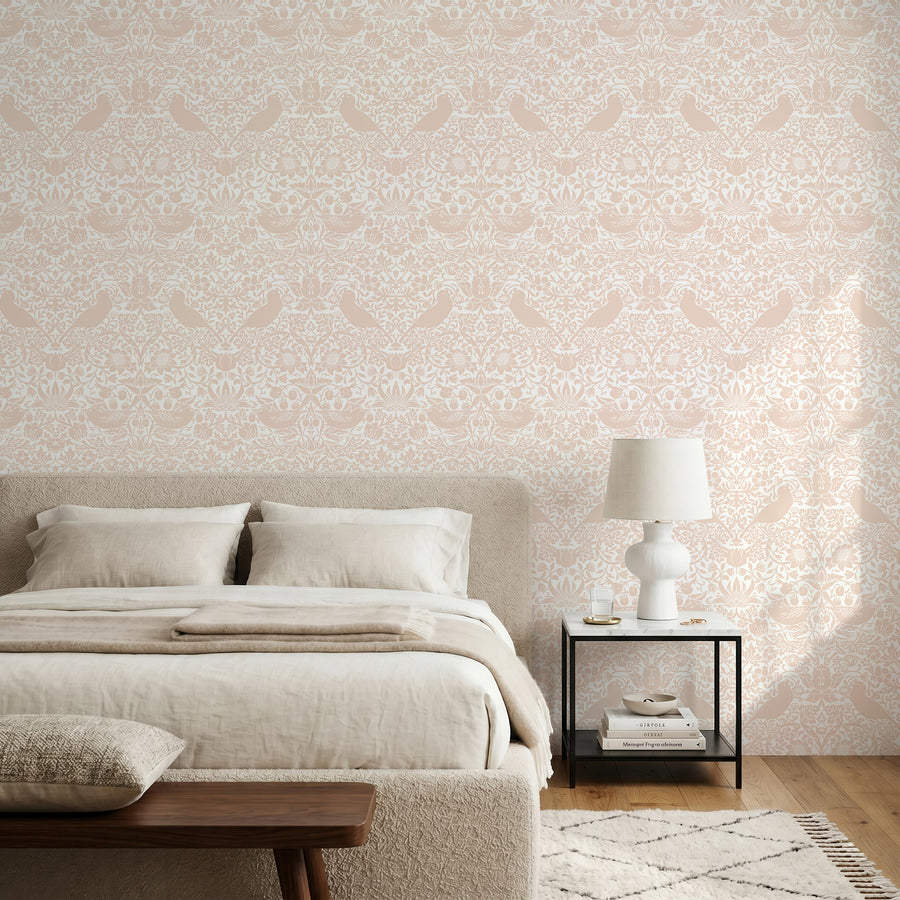
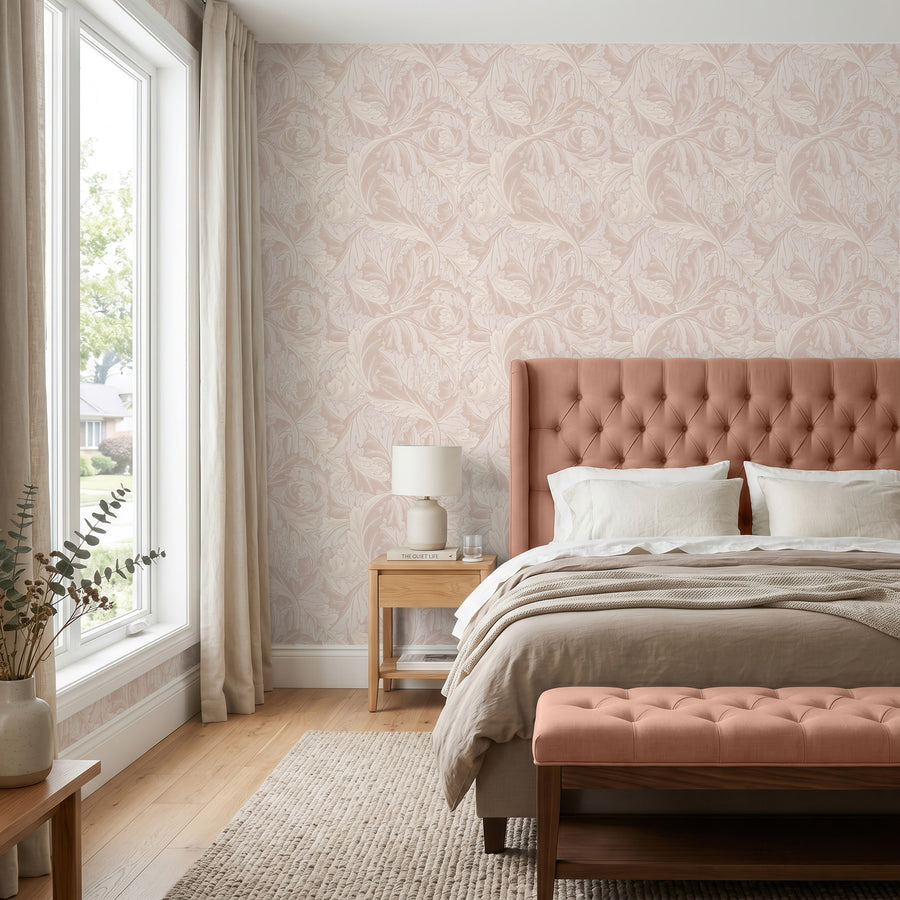
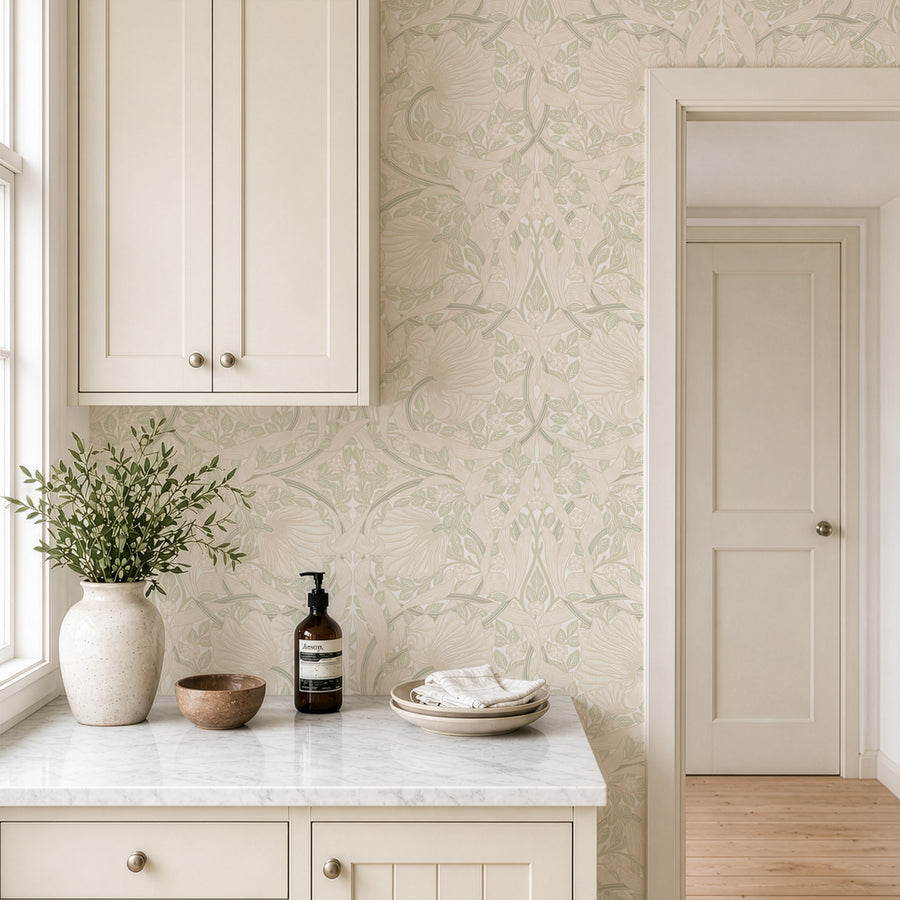
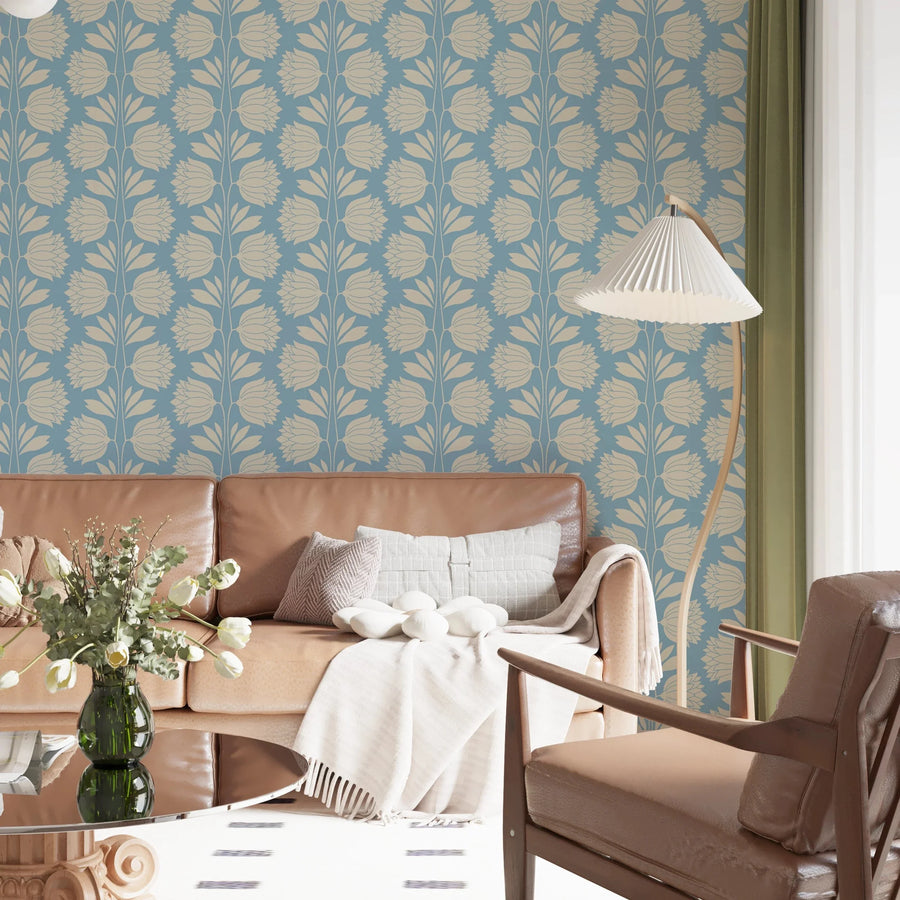
For a dining room or study, lean into density — a dark-ground Pimpernel- or Acanthus-style print creates an enveloping, jewel-box feel. For a bedroom or small living room, a lighter willow-and-leaf pattern adds warmth and history without shouting. Morris-style patterns are surprisingly compatible with modern, minimal furniture — the density holds its own against plain, handle-less pieces, and the contrast reads intentional.
On material: our Smooth Vinyl peel and stick has a subtle semi-gloss finish, while Canvas peel and stick offers a matte, woven texture that beautifully evokes the handmade quality of original block-printed paper. For a faux grasscloth version, the woven texture adds even more organic, arts-and-crafts warmth. All are printed to order in Davie, Florida with non-toxic inks.