










Choosing the Right Wall Mural Material
With a wall mural, the material matters as much as the design - it determines the finish, how the panels hang, and how long it lasts. Because a mural is one continuous image across multiple panels, the substrate also affects how seamlessly those panels blend. Here is how to match the right material to your wall and your goals.
Smooth Vinyl Peel & Stick Wall Mural
Our smooth vinyl peel and stick wallpaper mural material has a flat semi-gloss finish, installs without paste, repositions during application, and removes cleanly - making it ideal for renters, bedrooms, offices, and anyone who likes to change things up. It is the easiest option for a first-time DIY mural install.
Canvas Peel & Stick Wall Mural
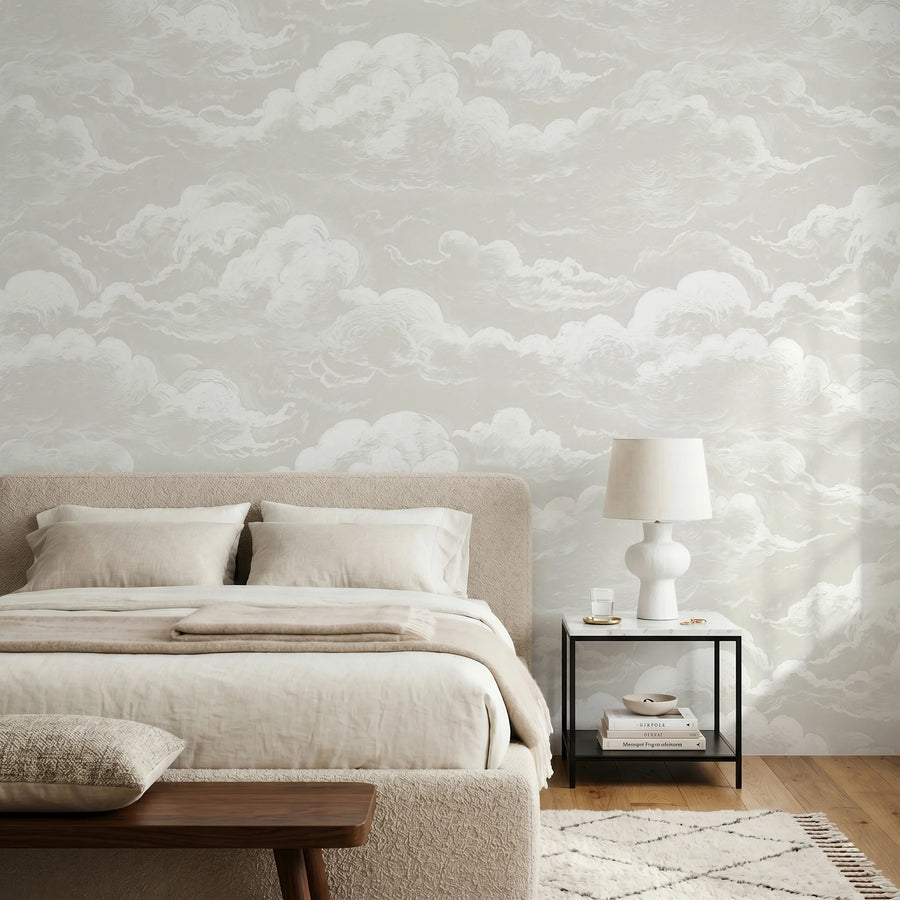
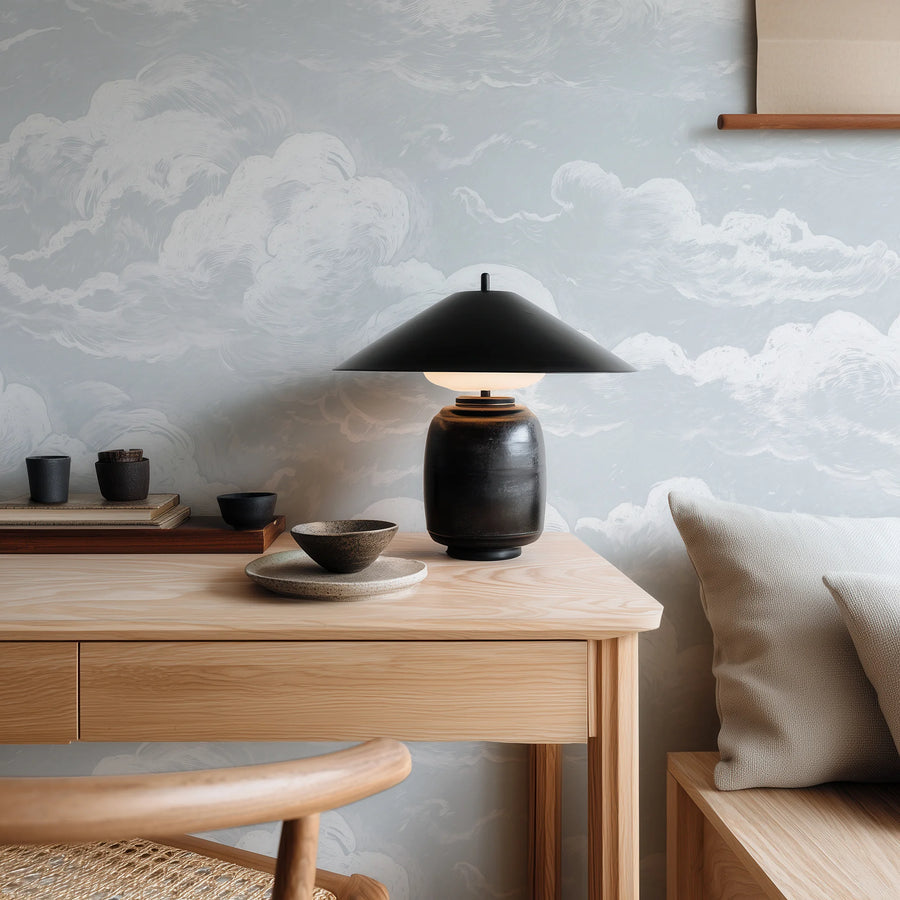
Canvas peel and stick has a matte, luxury texture that softens large scenic images and cuts glare from windows and overhead lighting - a favorite for bedroom and living room murals where you want depth without shine. Like smooth vinyl, it is removable and renter-friendly.
Traditional & Faux Grasscloth Type II Wall Mural
For a permanent, commercial-grade finish, our Traditional Type II mural is a heavier paste-installed substrate that tolerates light wall texture and stands up to high-traffic spaces like hotels, restaurants, and offices - it is Class A/Class 1 fire rated (ASTM E84). Our faux grasscloth version adds a natural woven texture and warmth to a scenic or botanical mural without the fragility of real grasscloth. Both are printed with GreenGuard Gold certified, non-toxic inks.
The Best Wall Mural Styles by Room
A wallpaper mural sets the entire mood of a room, so the style you choose should match how the space is used. These are the mural directions our customers reach for most, and where each one shines.
Scenic and Landscape Murals
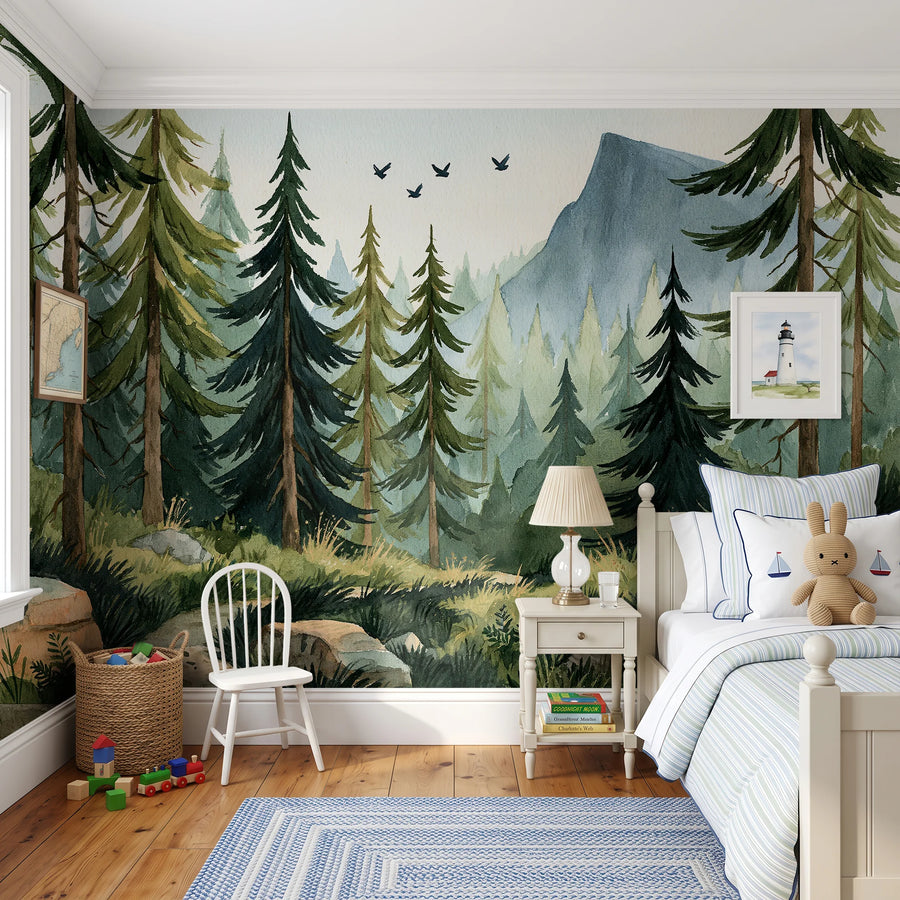
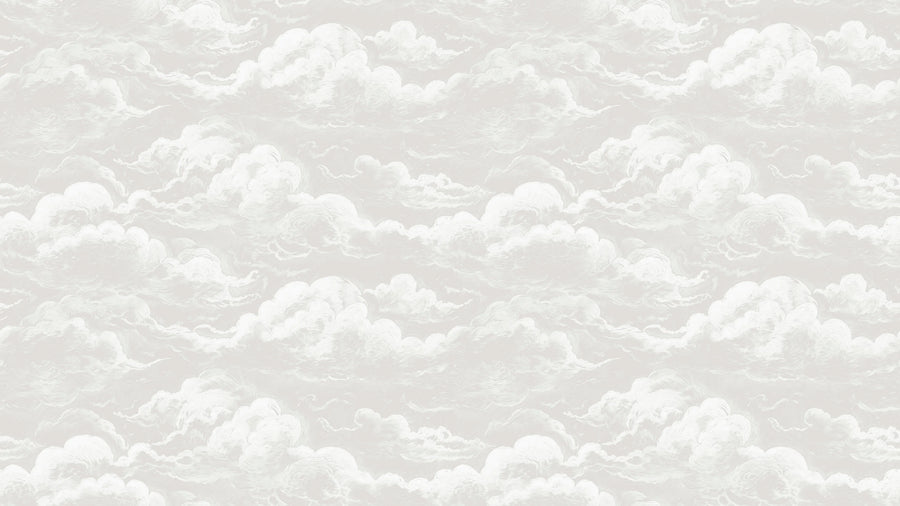
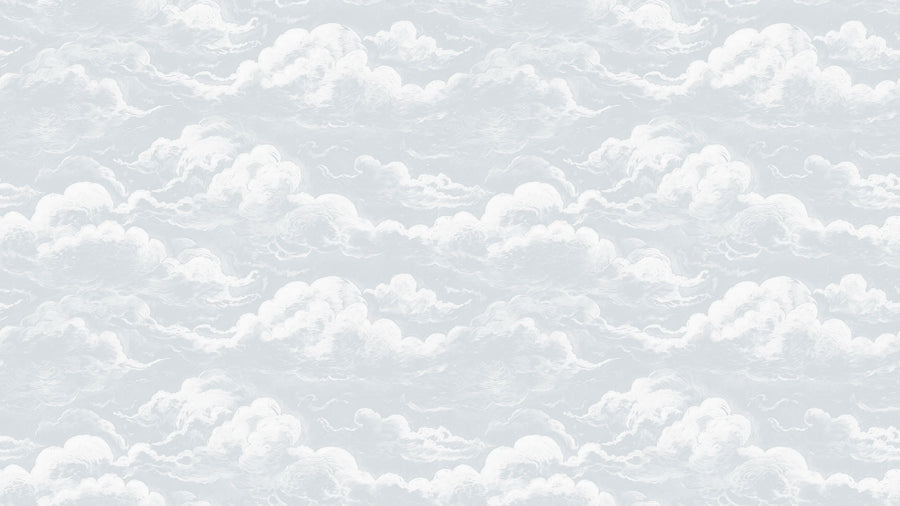
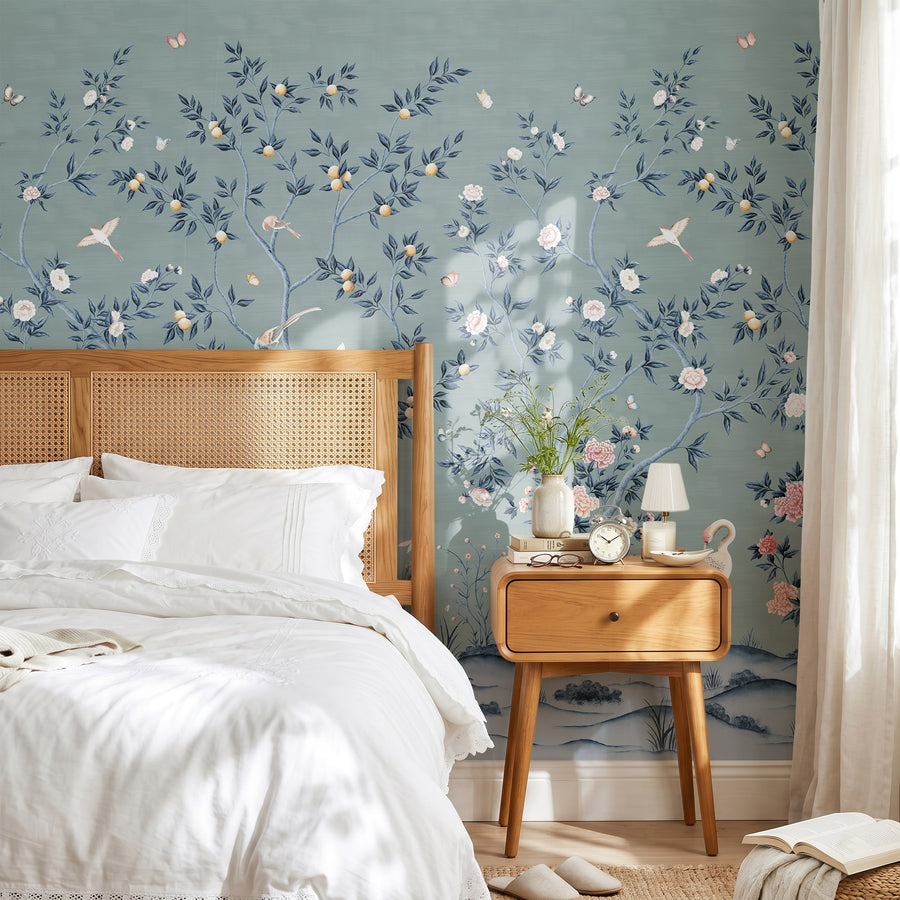
Misty mountains, rolling hills, and horizon views create a sense of depth that makes a room feel larger - ideal behind a bed or sofa. Explore our landscape and forest murals for this calming, expansive look, or our coastal designs for a breezy, water-inspired scene.
Tropical and Botanical Wall Murals
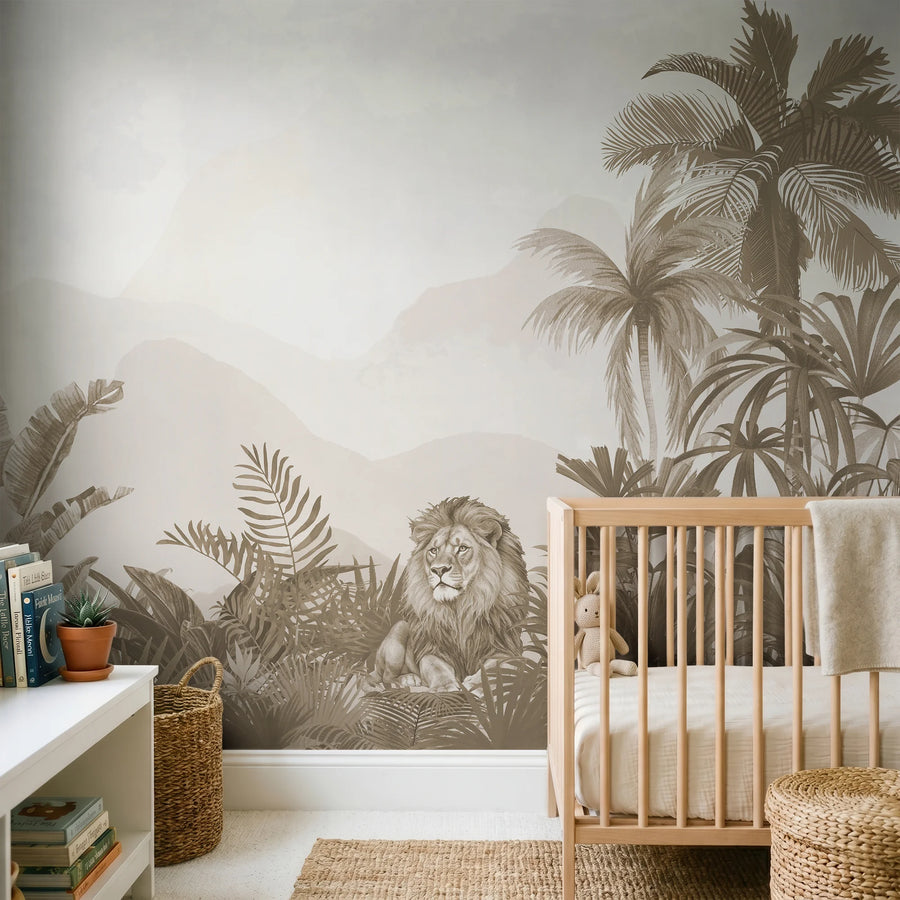
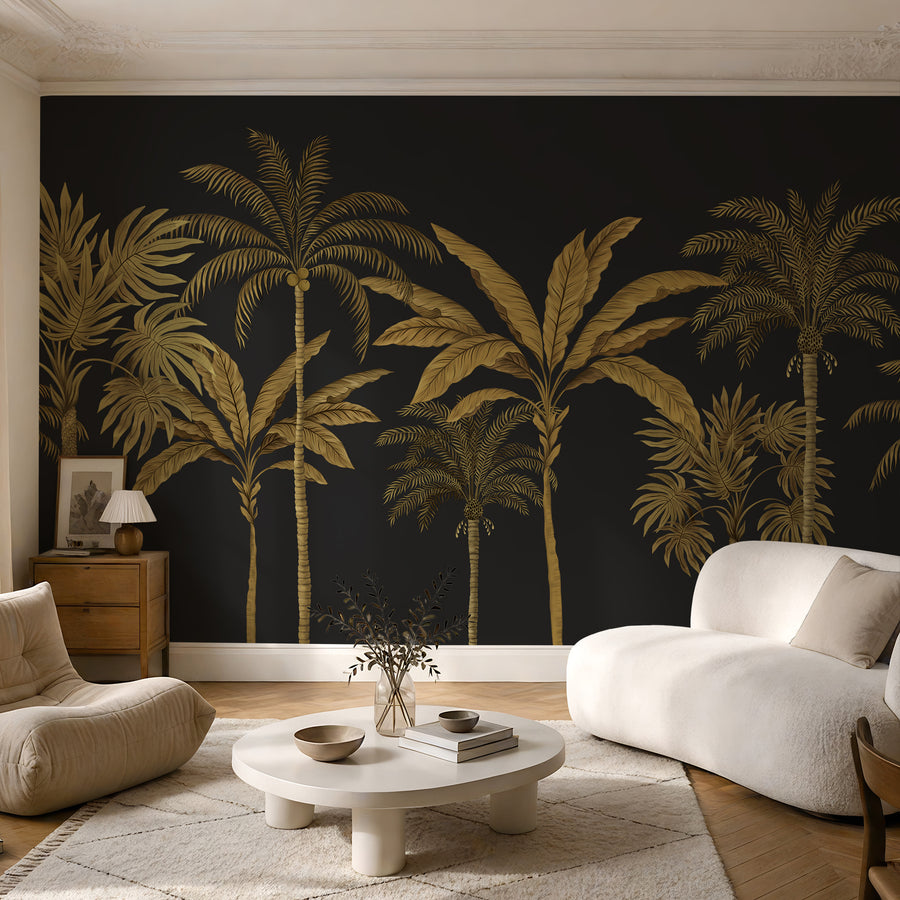
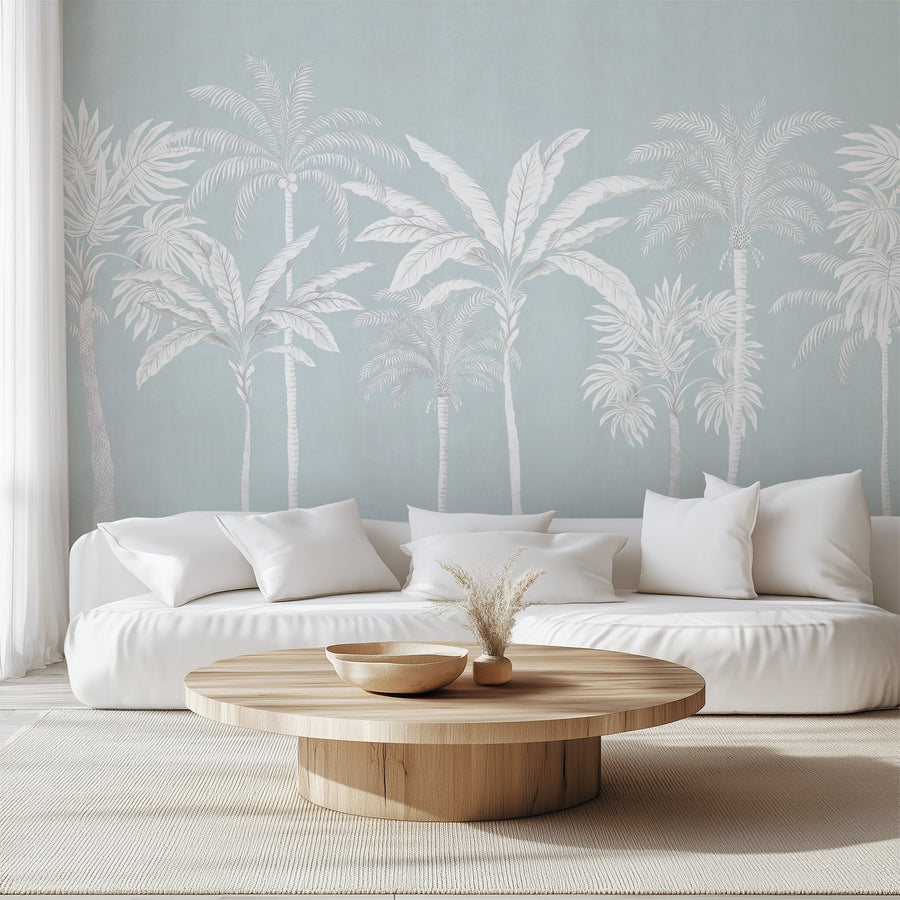
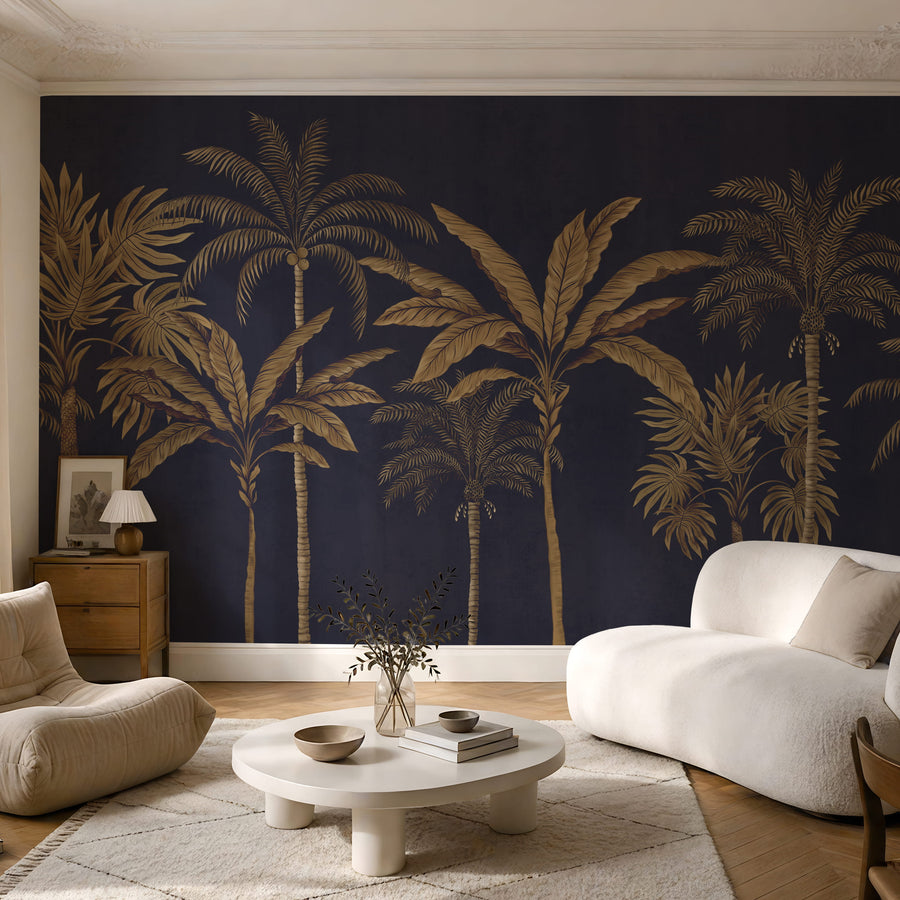
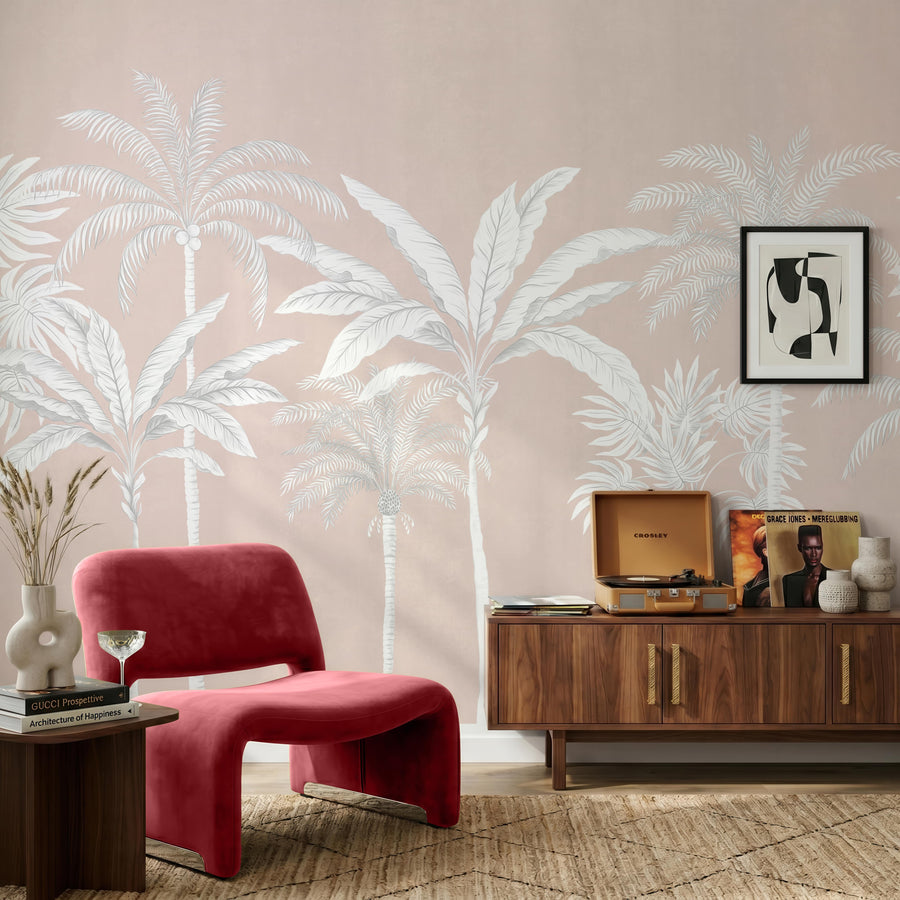
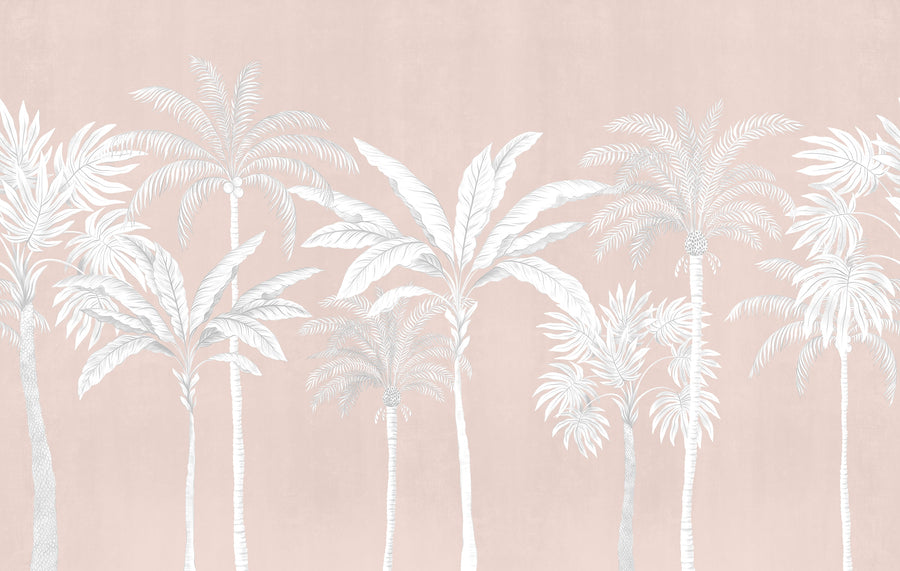
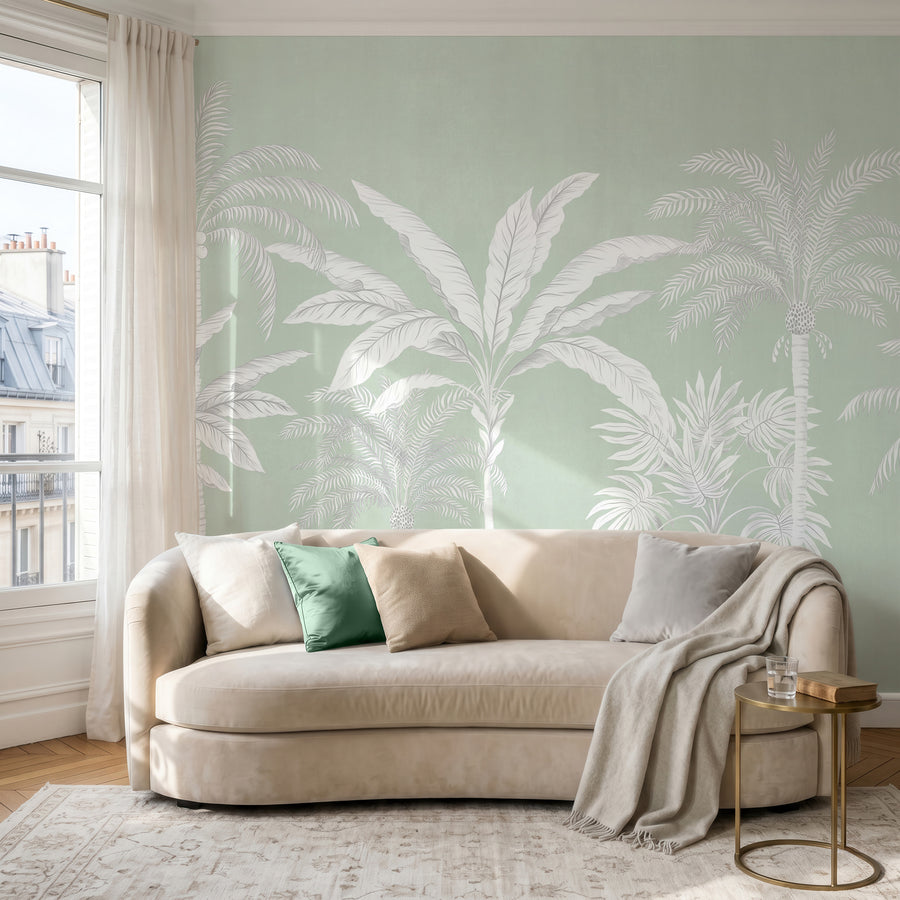
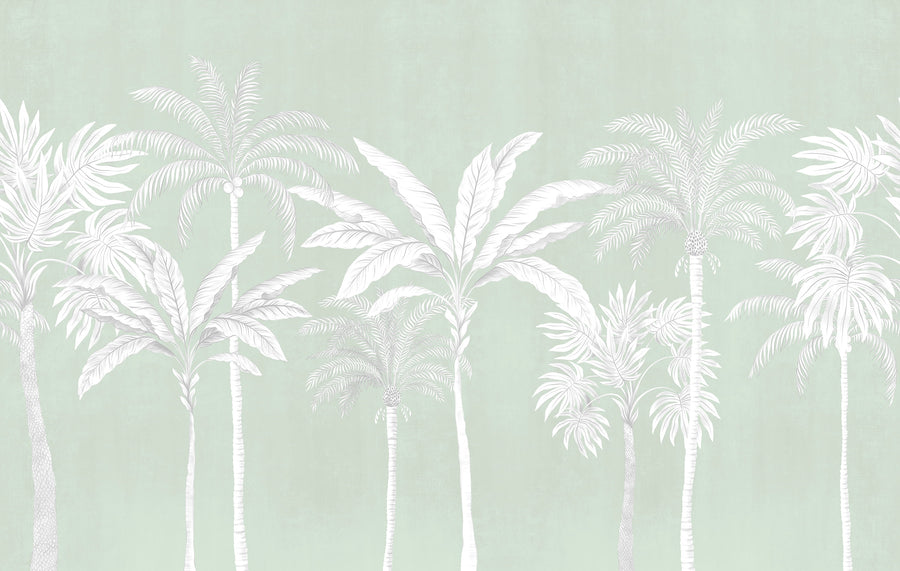
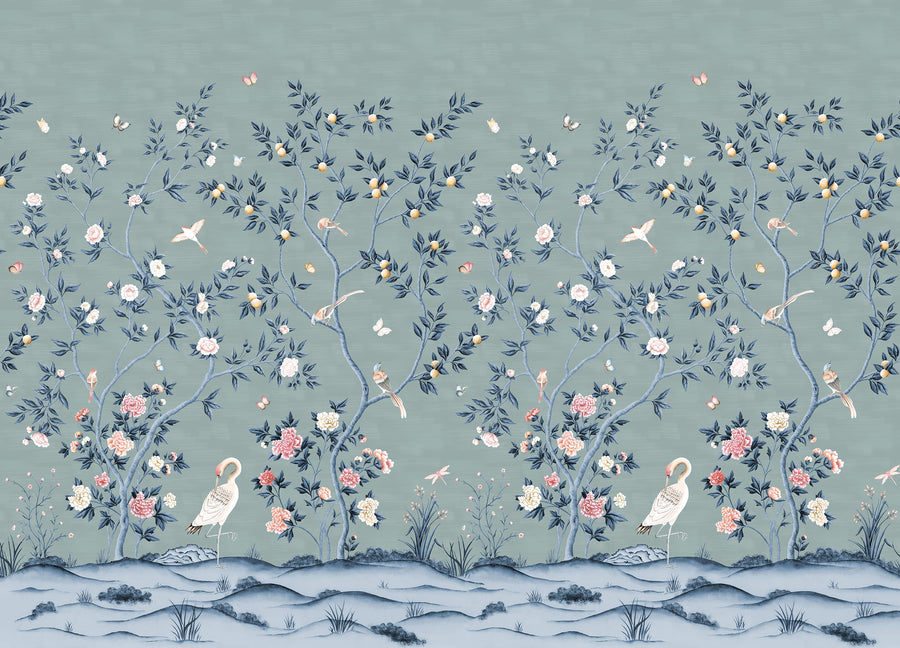
Oversized palms, jungle foliage, and etched botanicals bring freshness and a resort-like escape to dining rooms, entryways, and living rooms. Browse our tropical and botanical murals for palm, leaf, and garden-inspired scenes, and our floral designs for oversized blooms with real presence.
Abstract and Modern Art Wall Murals
Brushstroke washes, organic shapes, and color-block compositions act like a giant piece of art — perfect for a living room, home office, or entryway where you want a contemporary focal point. See our abstract and geometric murals for this modern, gallery-like direction.
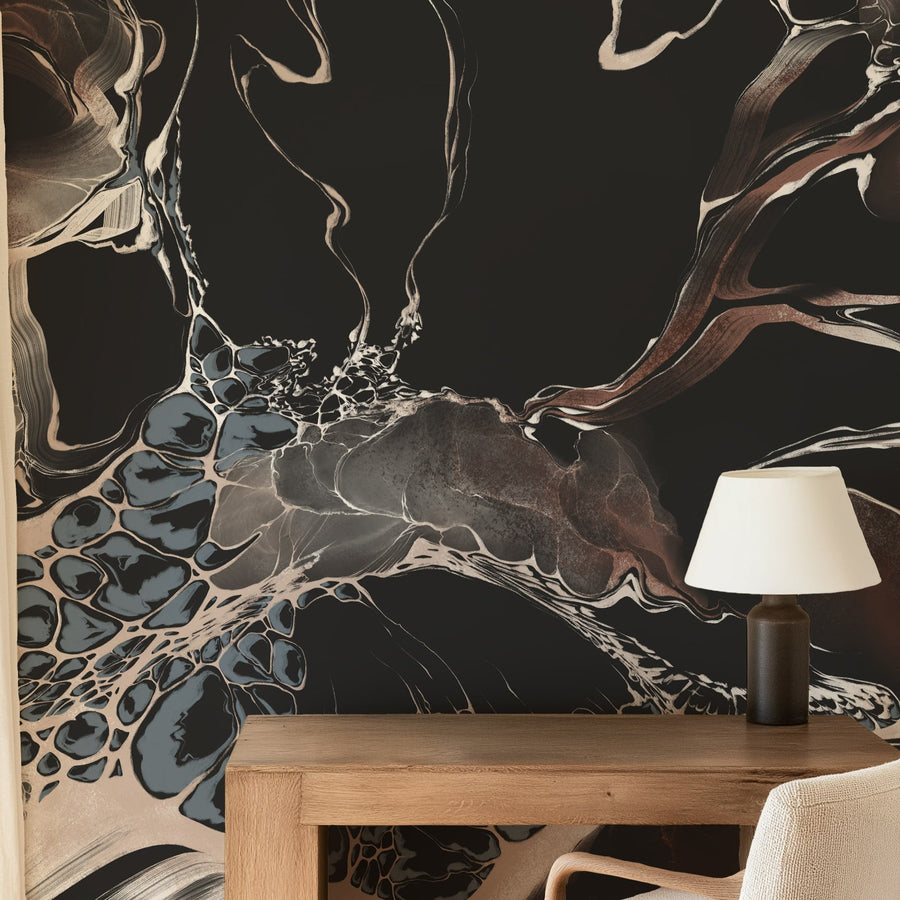
Moody and Dramatic Wall Murals
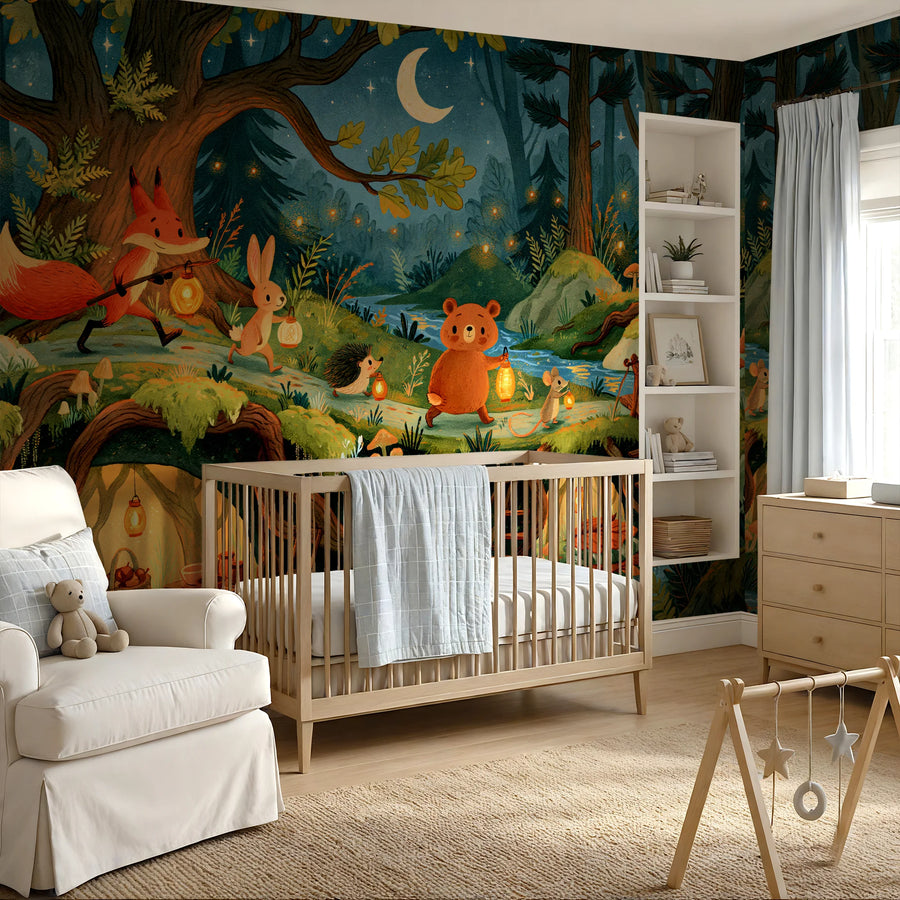
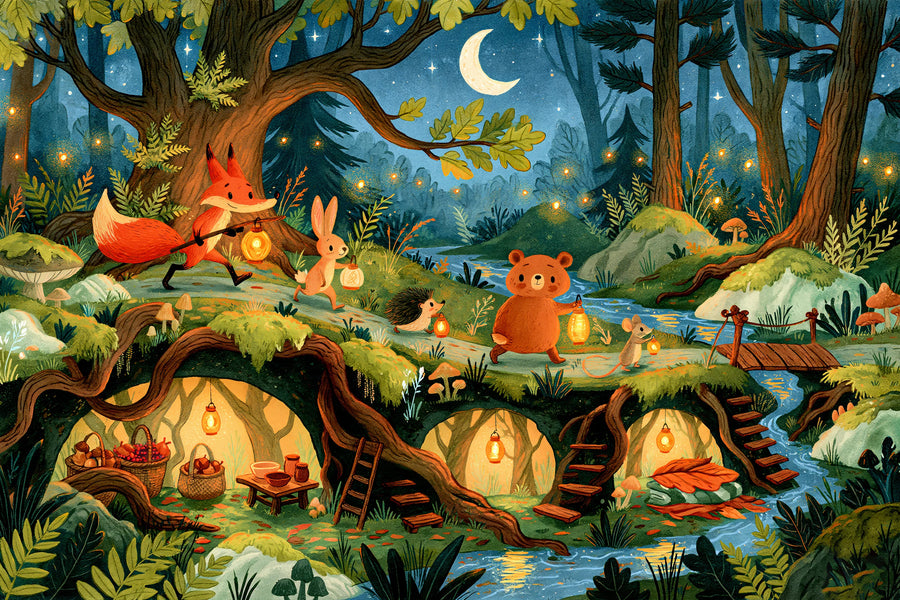
Dark, atmospheric scenes and deep-toned florals turn a room into an intimate, enveloping retreat — especially effective in bedrooms, dining rooms, and powder rooms. Explore our moody murals for this bold, cocooning look, or a masculine study or man cave for a darker, more architectural feel.
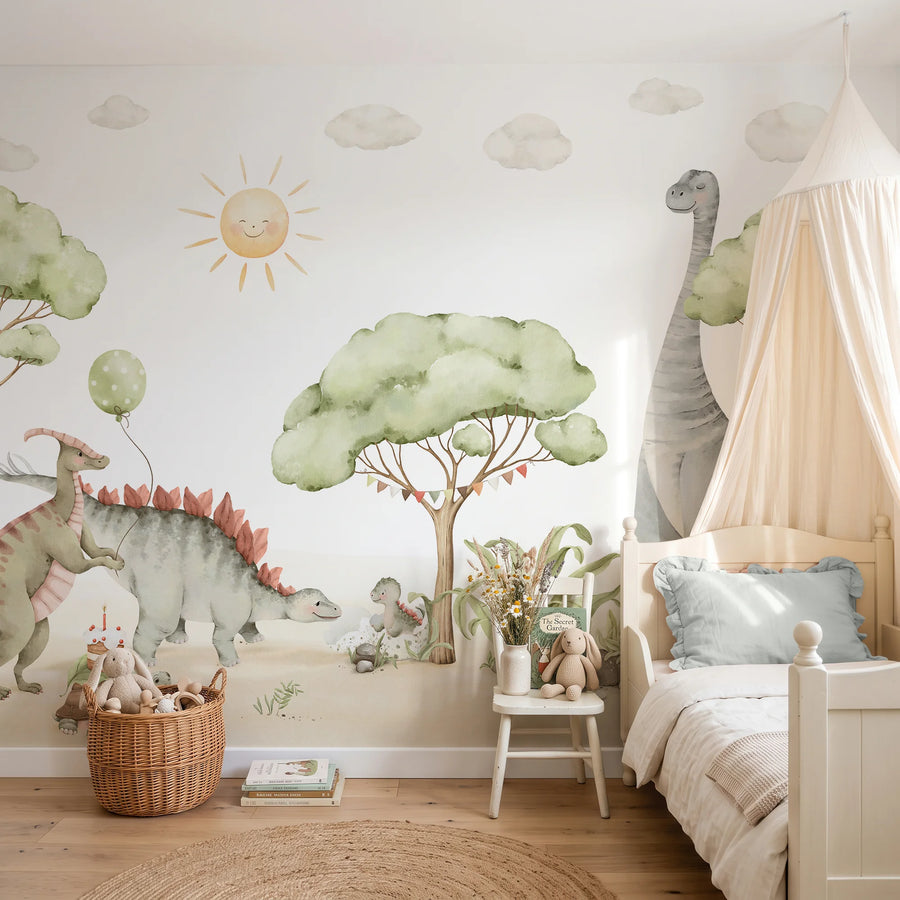
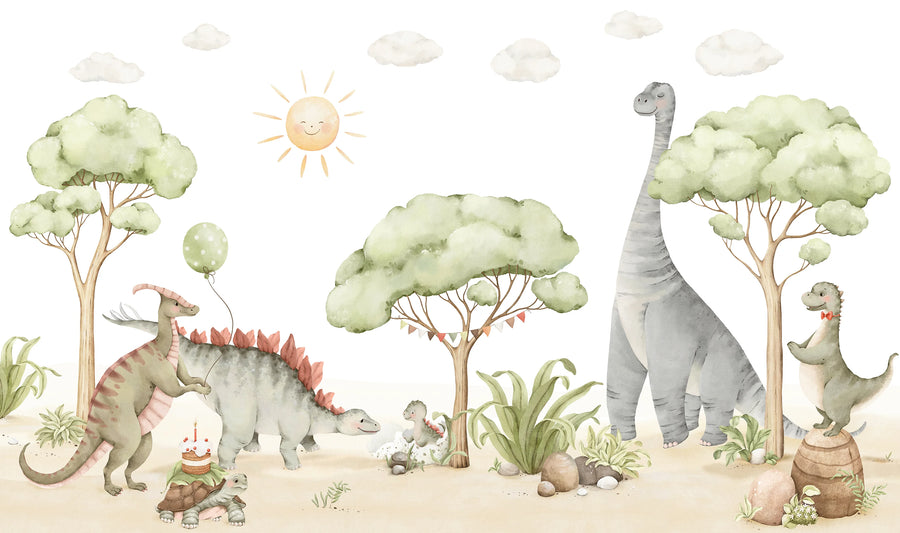
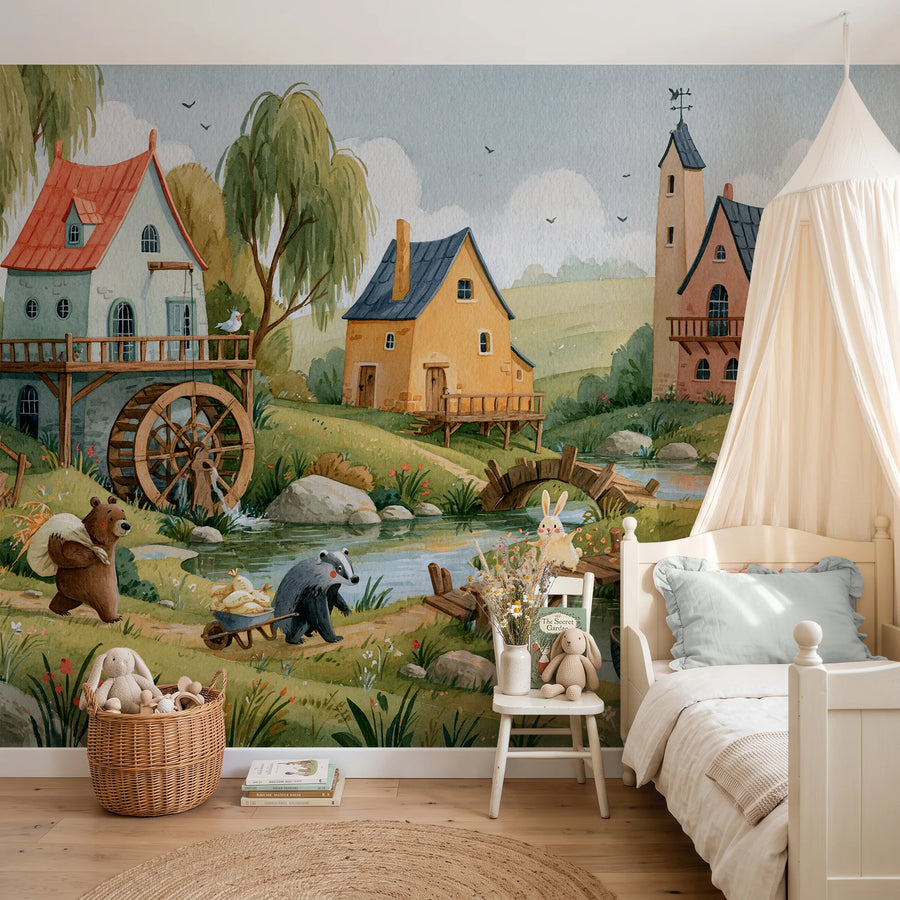
Nursery and Kids' Room Wall Murals
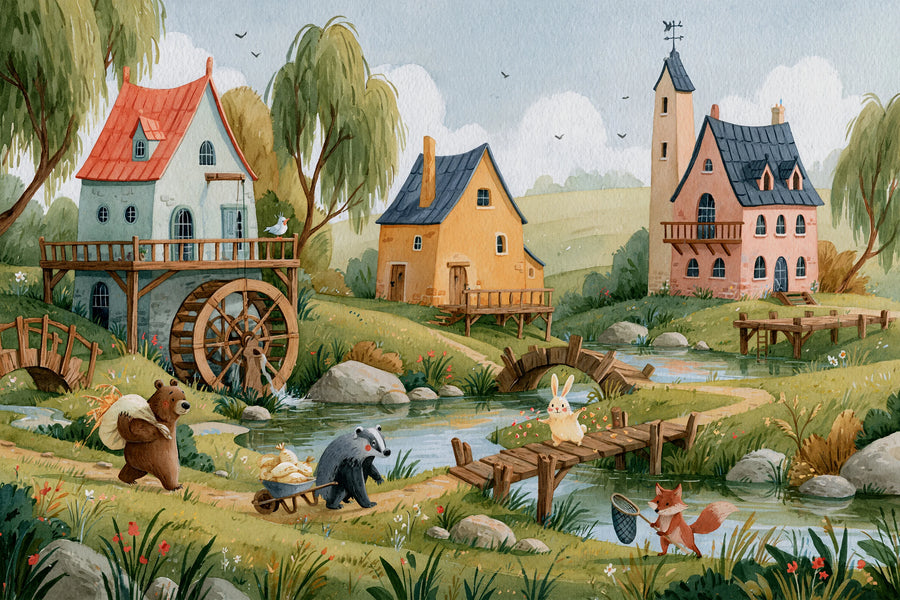
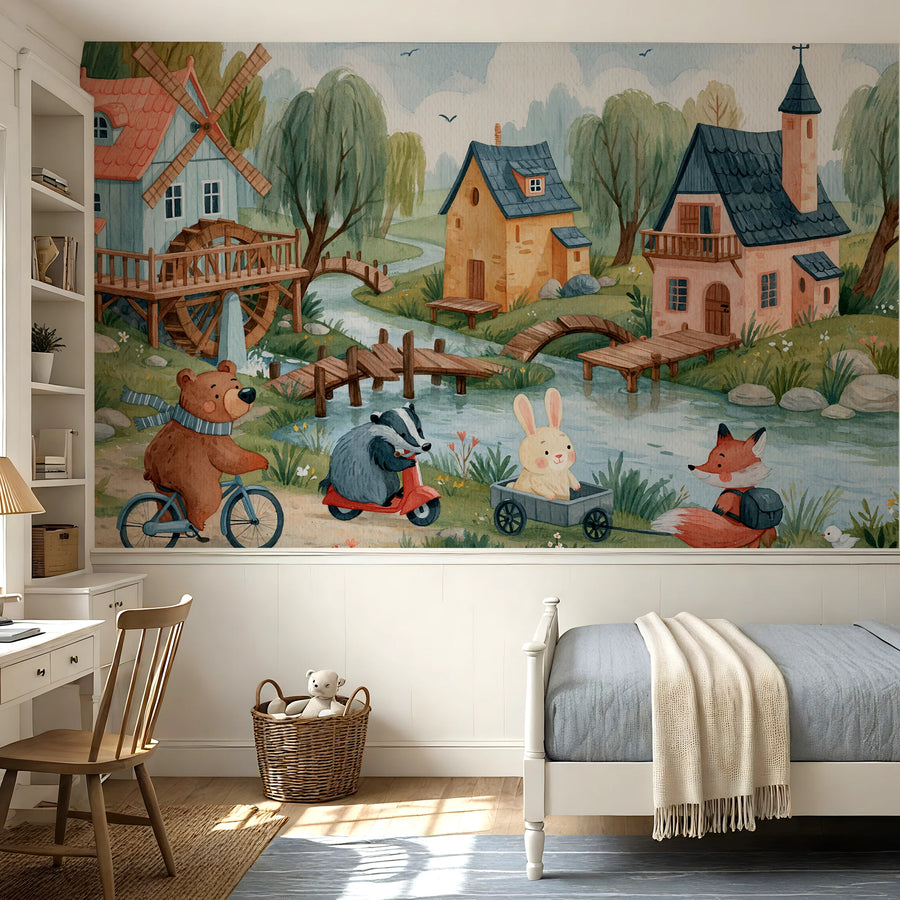
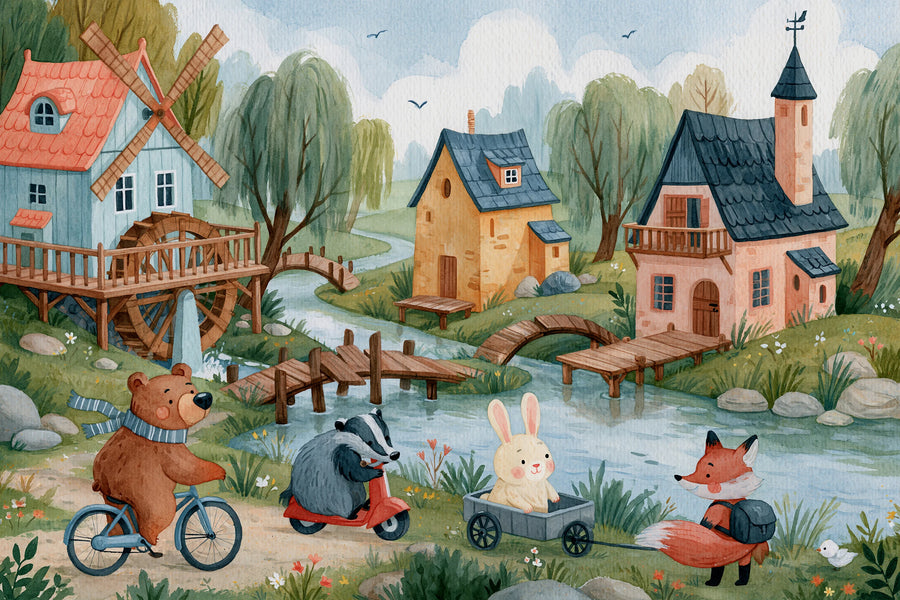
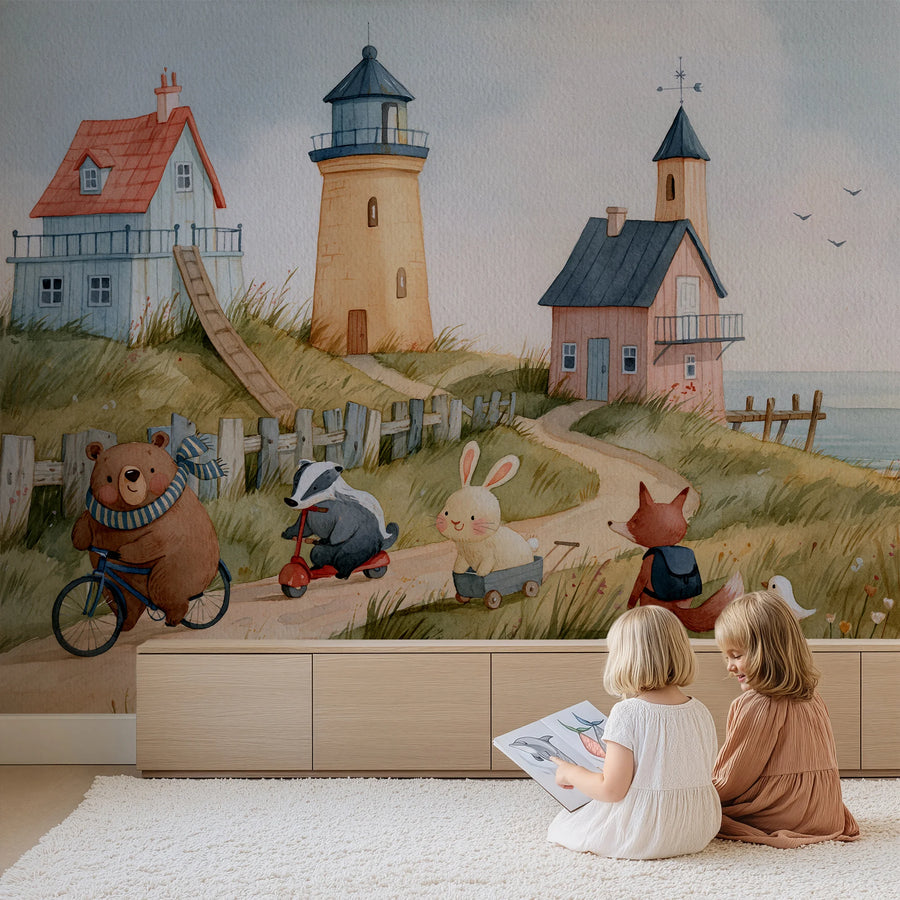
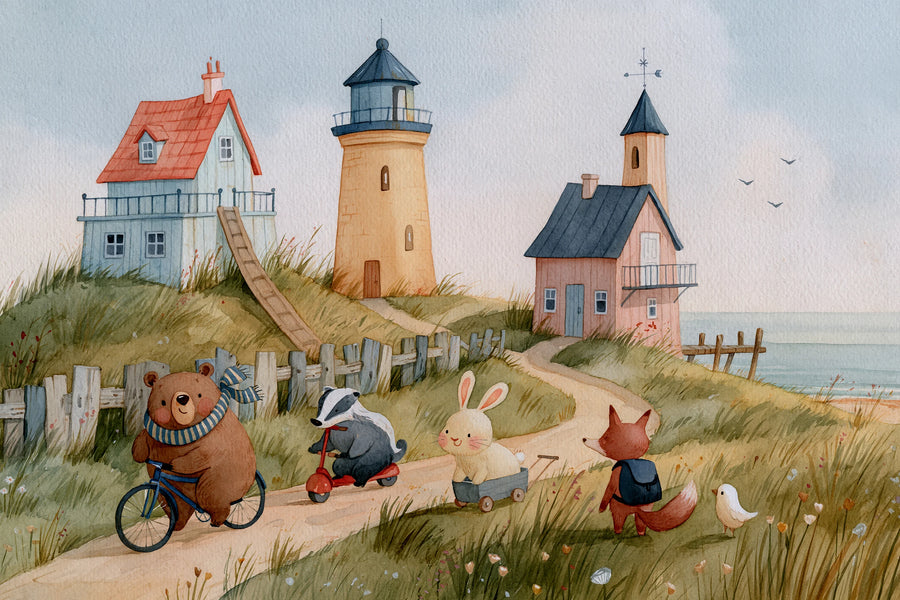
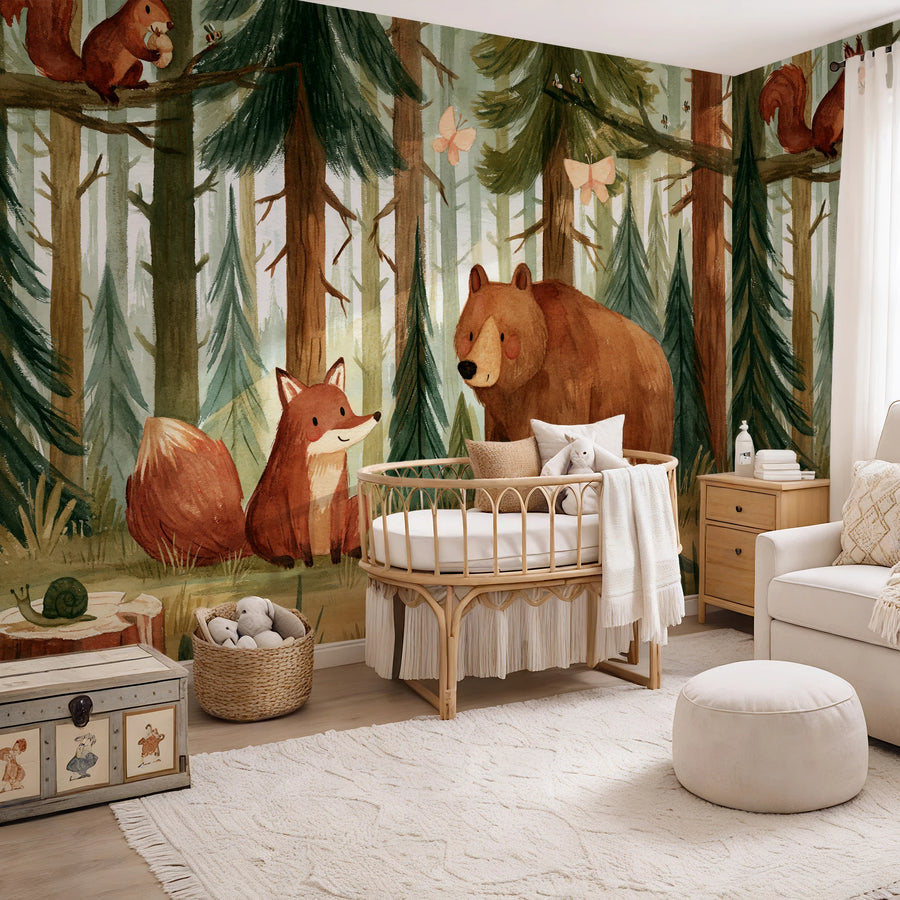
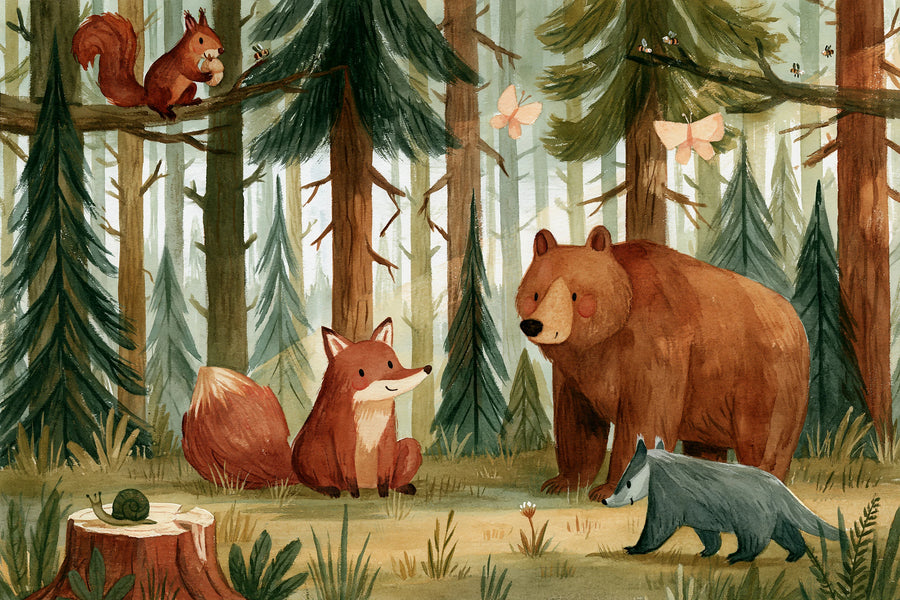
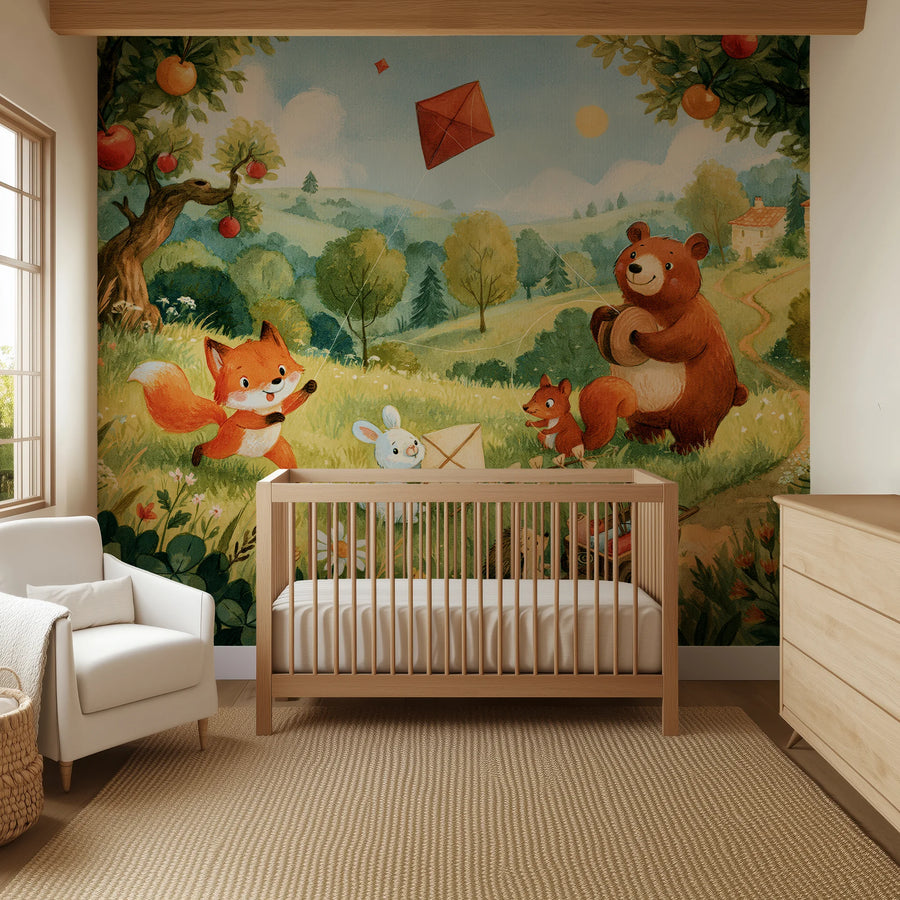
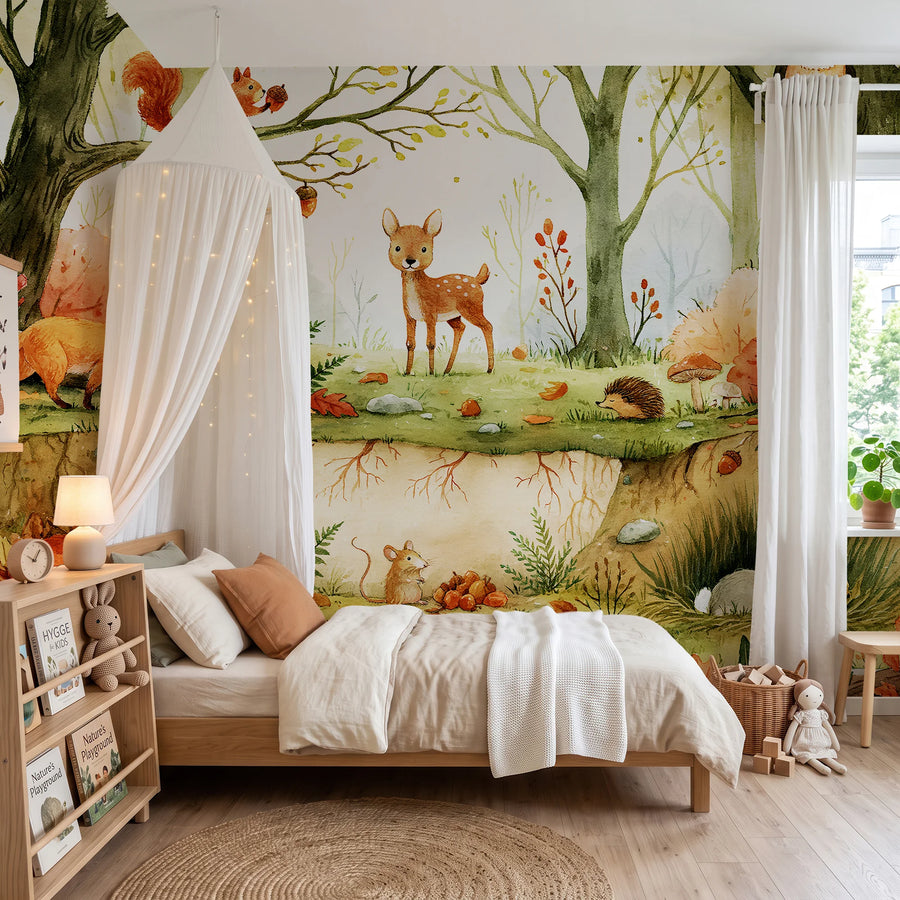
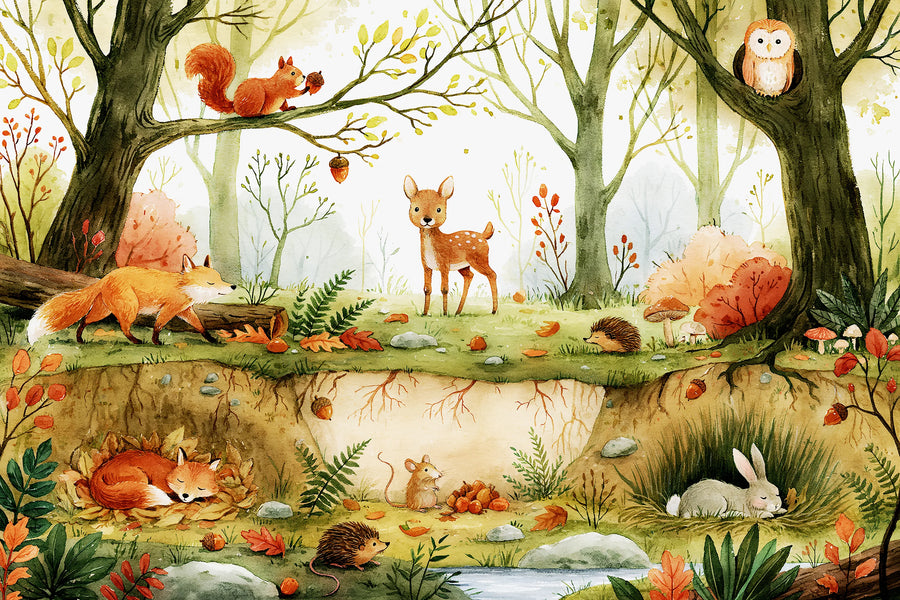
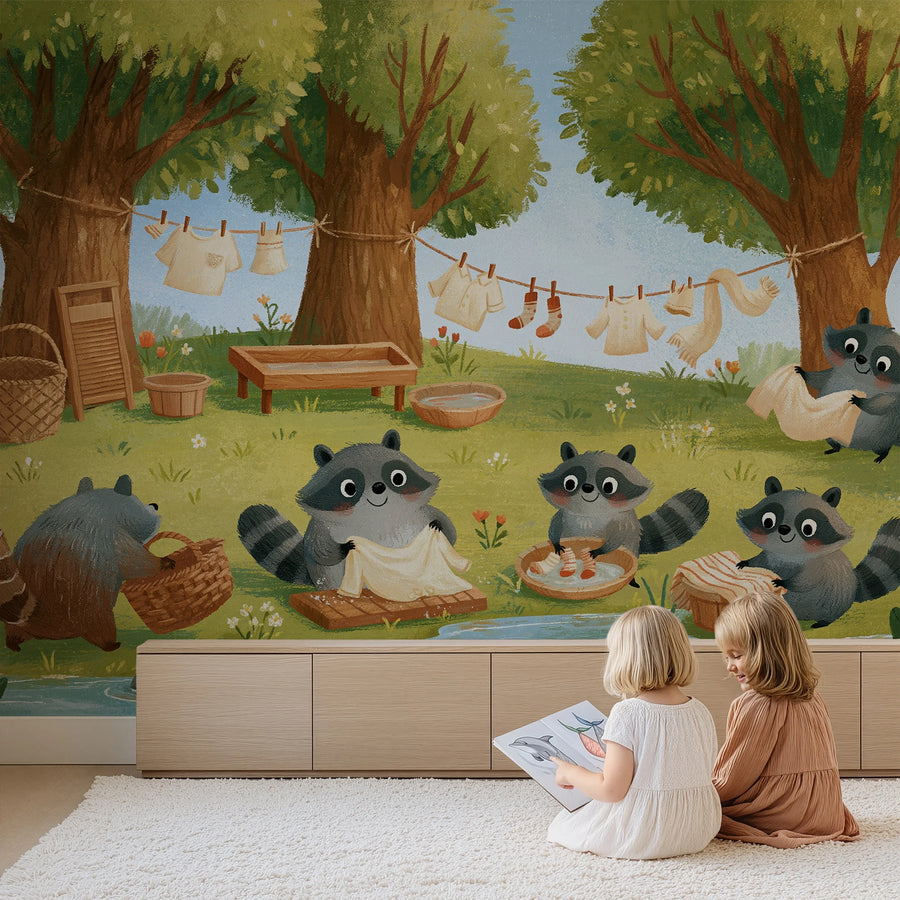
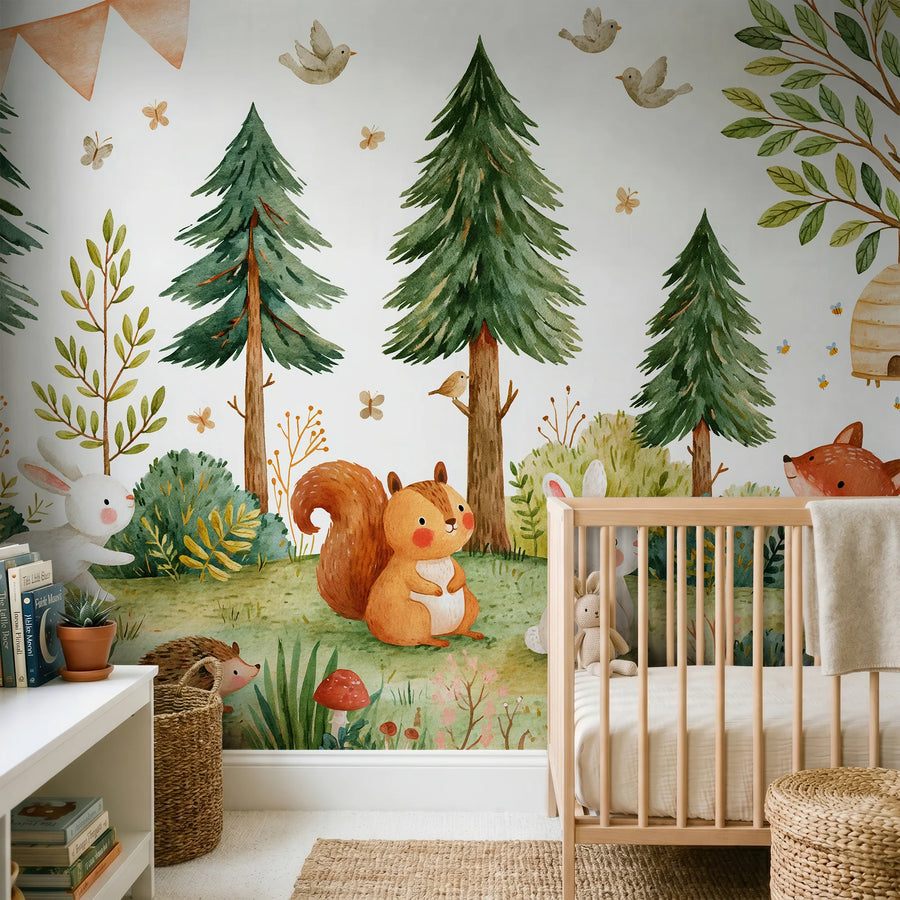
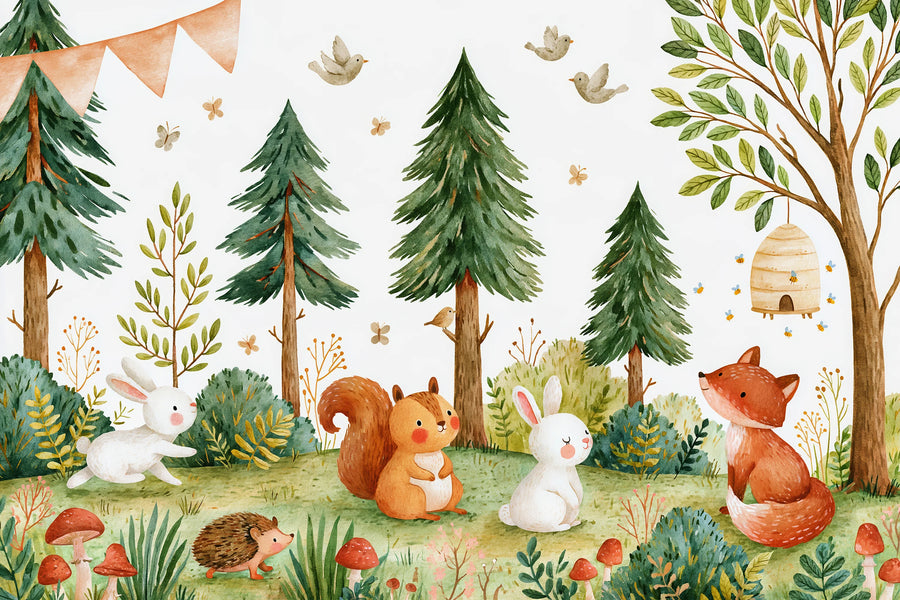
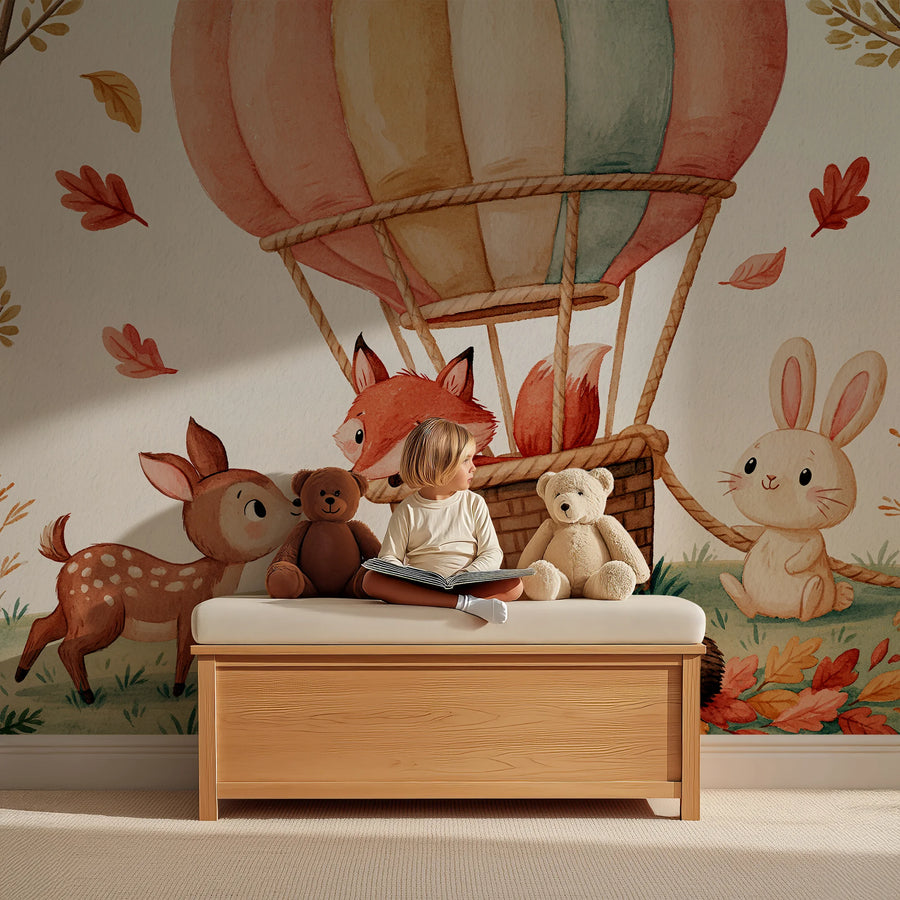
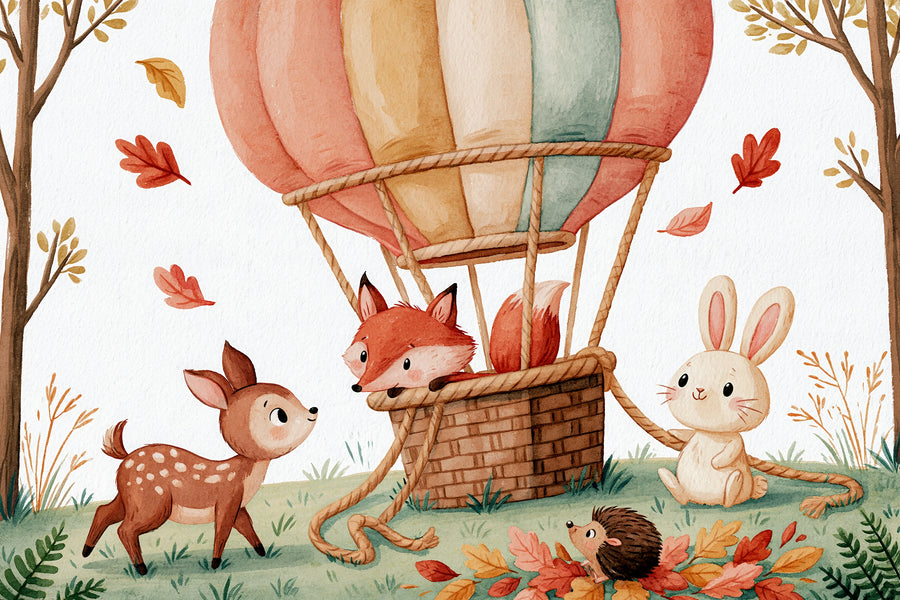
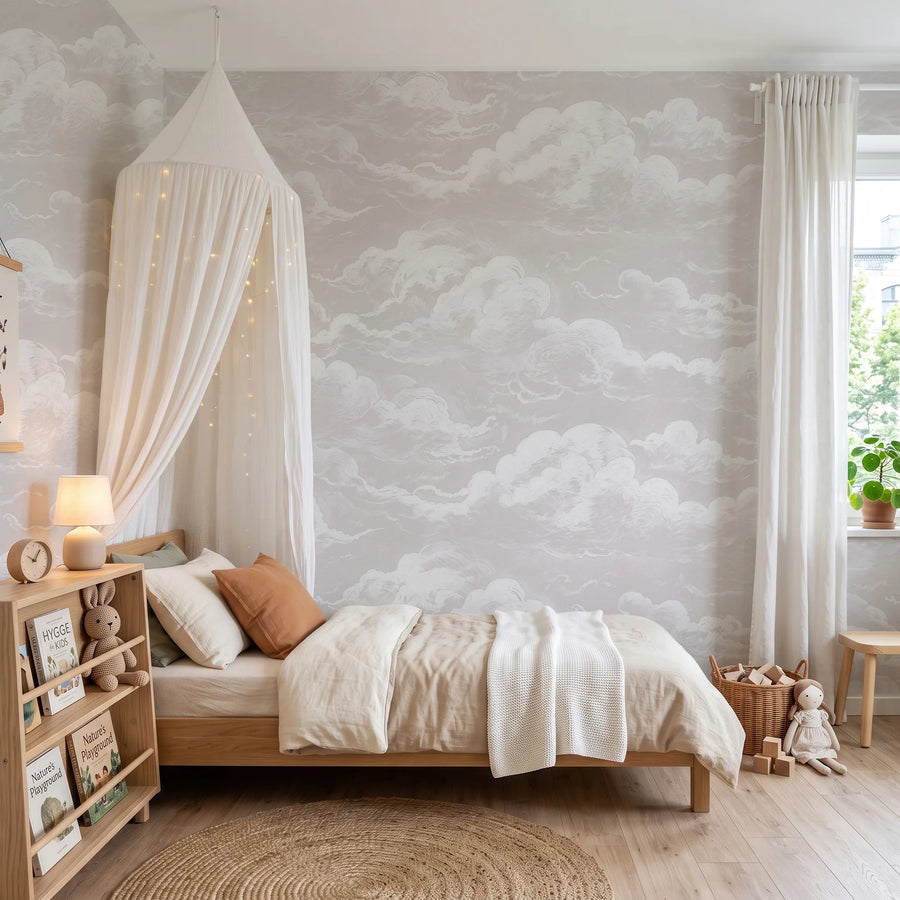
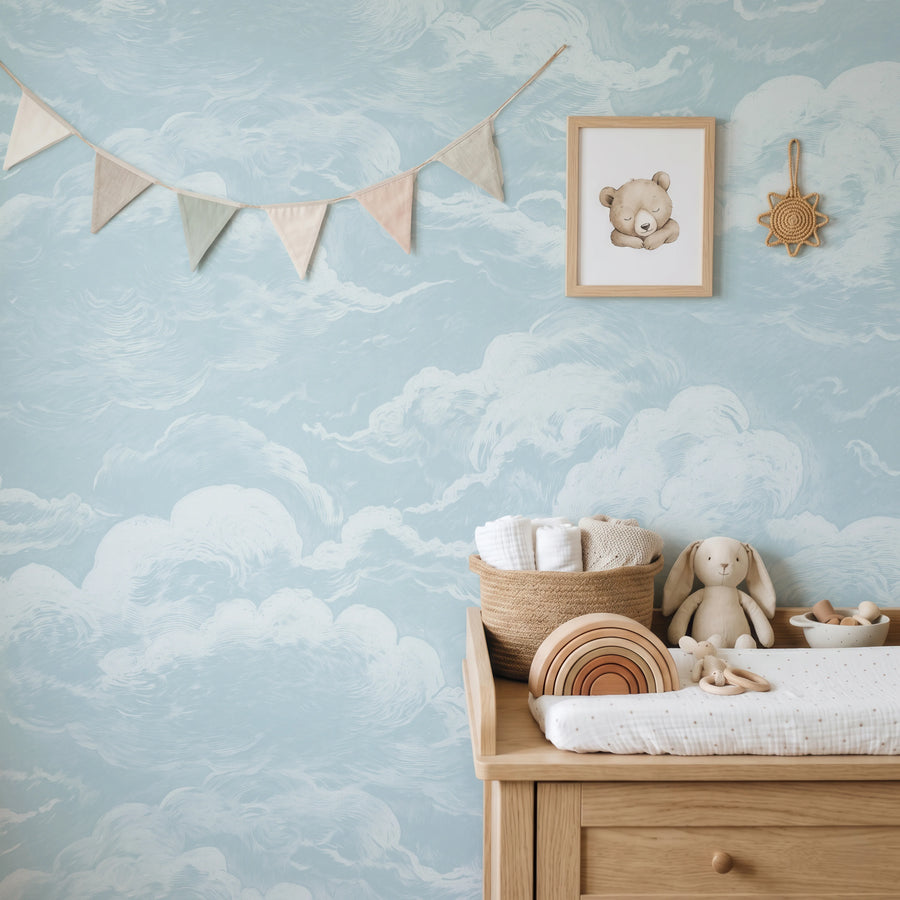
Whimsical scenes, gentle landscapes, and playful animals make a mural the centerpiece of a child's room, and because peel and stick removes cleanly, it is easy to update as they grow. See our nursery murals for soft, gender-neutral options that grow with the room.
How to Measure and Install a Wall Mural
Because a wallpaper mural is printed to your exact wall dimensions, measuring and prep make the difference between a seamless, gallery-quality result and misaligned panels. A few steps matter more than the rest.
Measure the Full Wall, Not Around Obstacles
Measure the overall width and height of the wall in inches, and do not subtract for windows, doors, or outlets — the mural is printed as a set of continuous panels and trimmed around openings during installation. Measure at several points, since walls are rarely perfectly square, and use the largest dimensions. Adding a small margin gives you room to trim for a clean fit.
Wall Preparation for Mural
Peel and stick wall murals need a smooth, primed, fully cured wall. Clean the surface, patch and sand any imperfections, and if the wall is freshly painted, wait a full 30 days for the paint to cure - fresh paint is the number one cause of adhesion failure. On textured walls, choose Traditional Type II or apply a skim coat first.
Start Level and Work Panel by Panel
A wallpaper mural lives or dies on its starting line. Mark a level vertical line for your first panel rather than trusting the corner of the wall, then hang panels in order, matching the image and smoothing out air with a squeegee as you go. Because our peel and stick material repositions during application, you can lift and realign a panel to keep the image seamless.
Preview Before You Commit
A mural is a big visual commitment, so order a sample to check how the colors and scale read in your room's lighting before your full order. Murals shift noticeably between daylight and warm evening light, and a sample removes the guesswork.