




Dining Room Wallpaper Ideas by Style
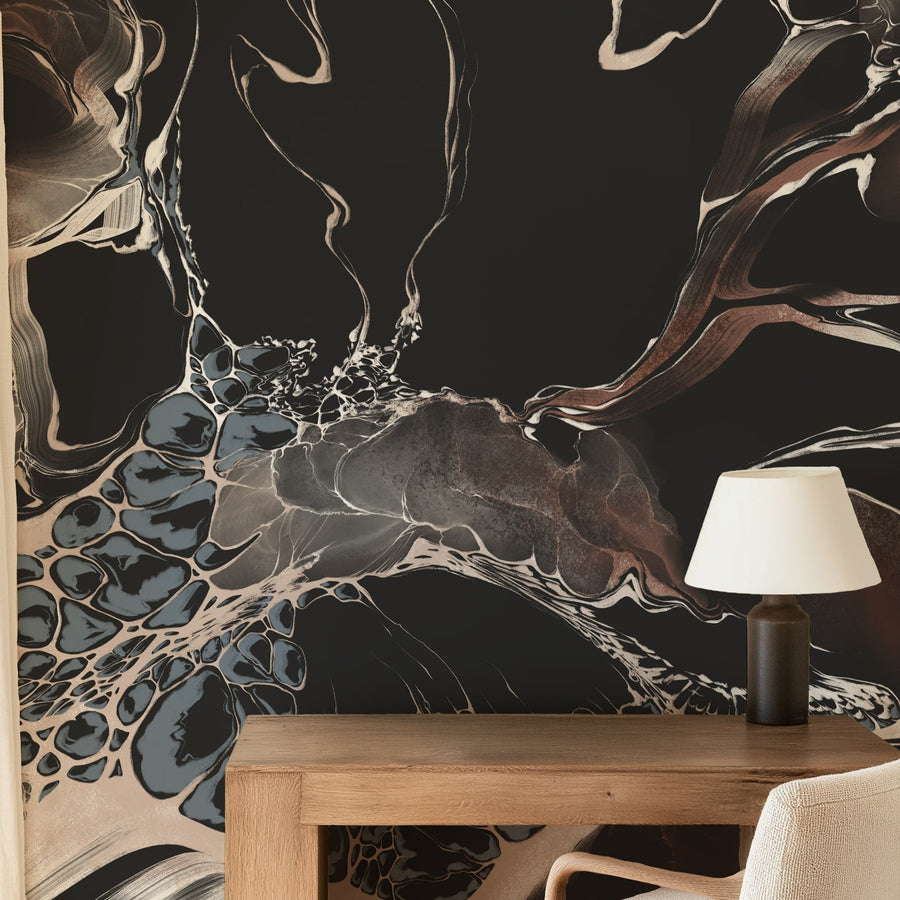
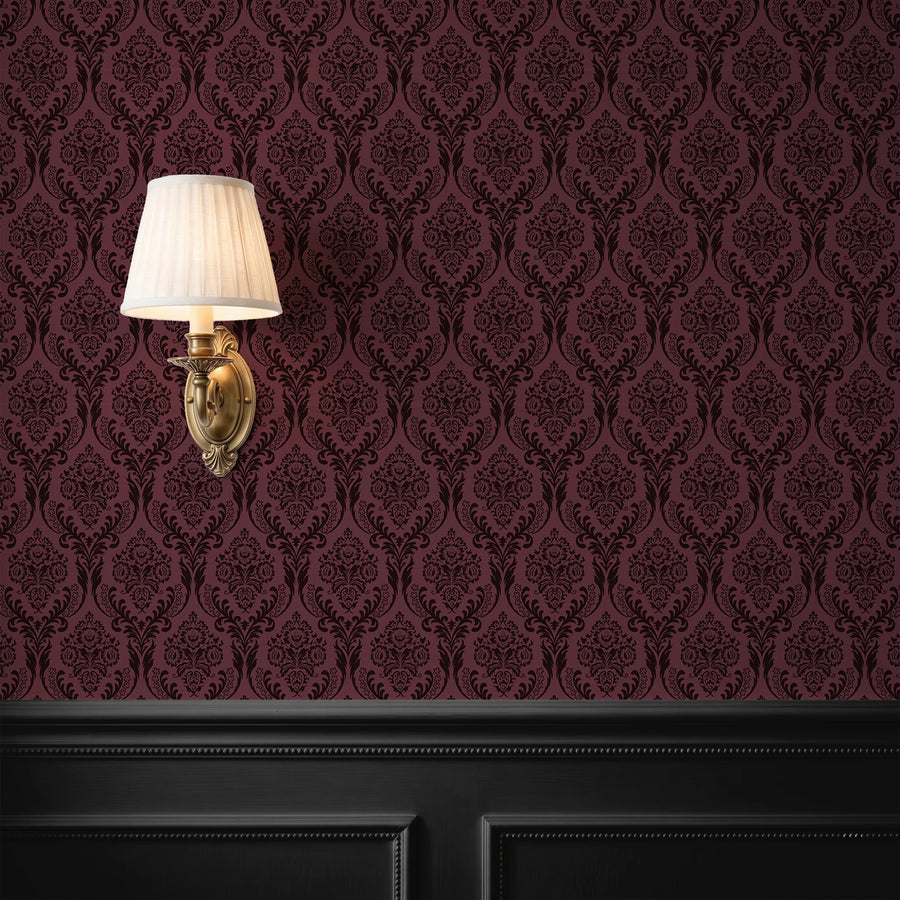
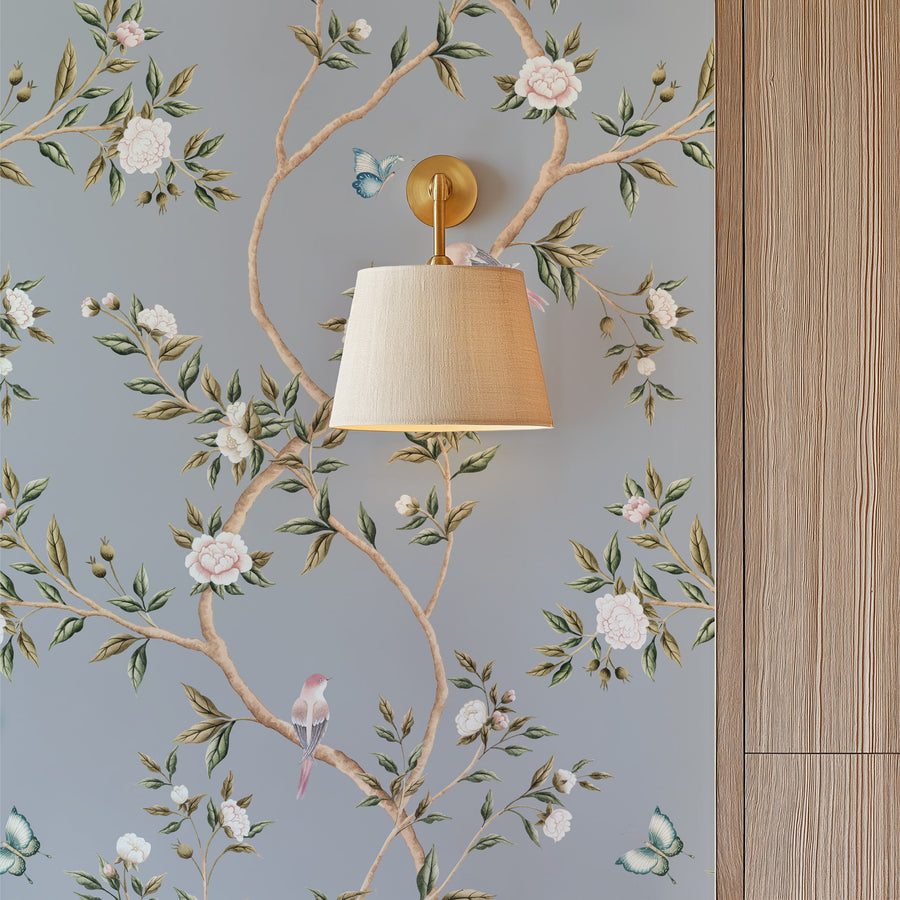
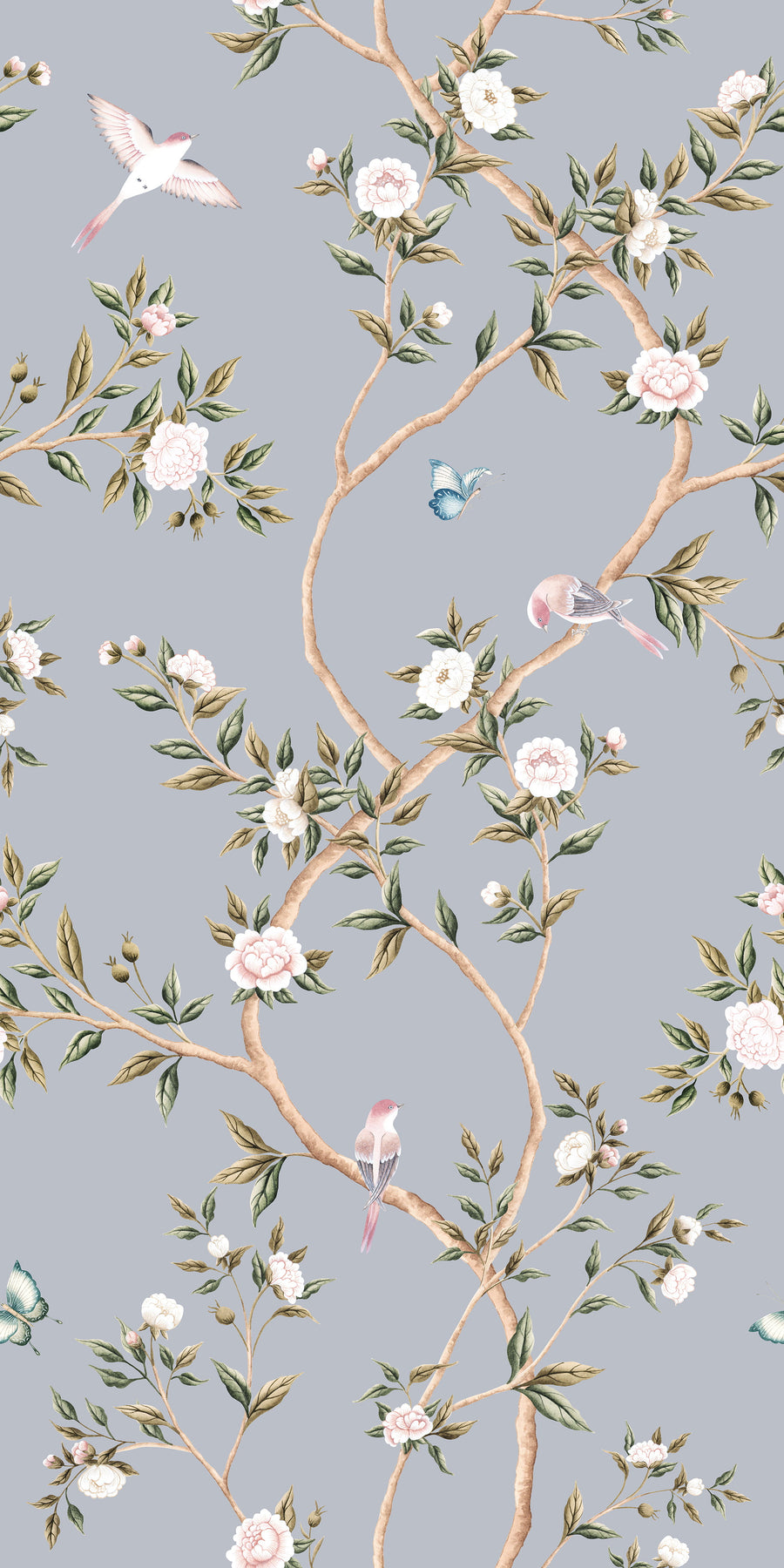
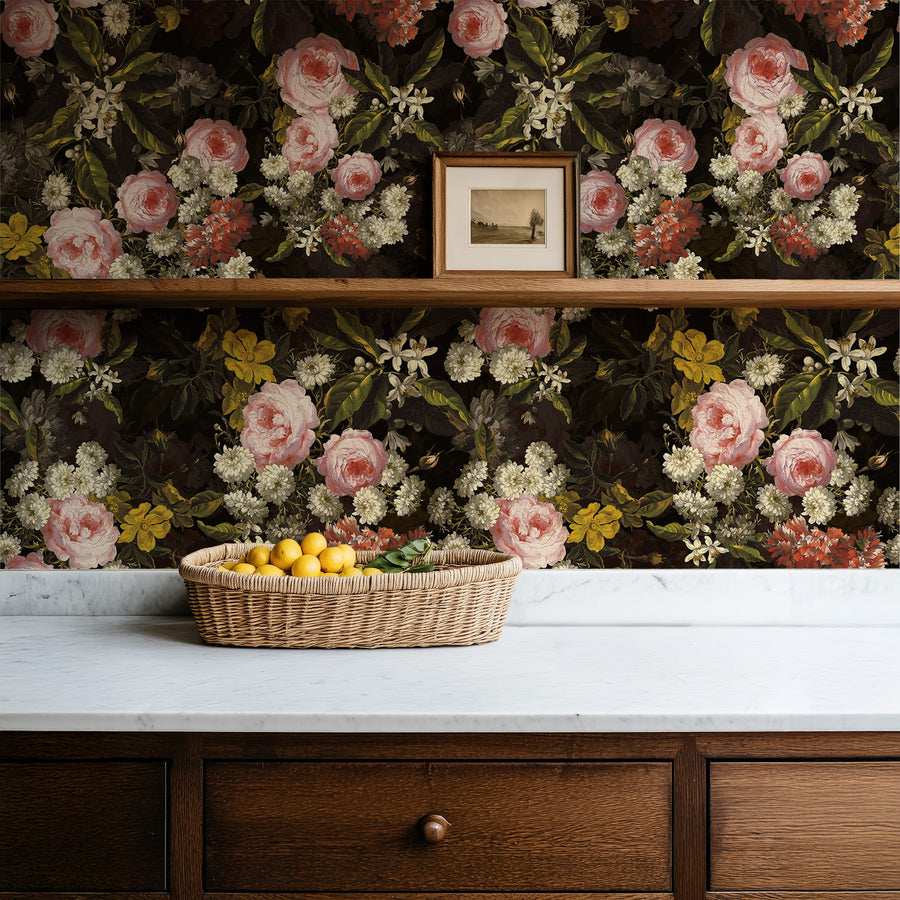
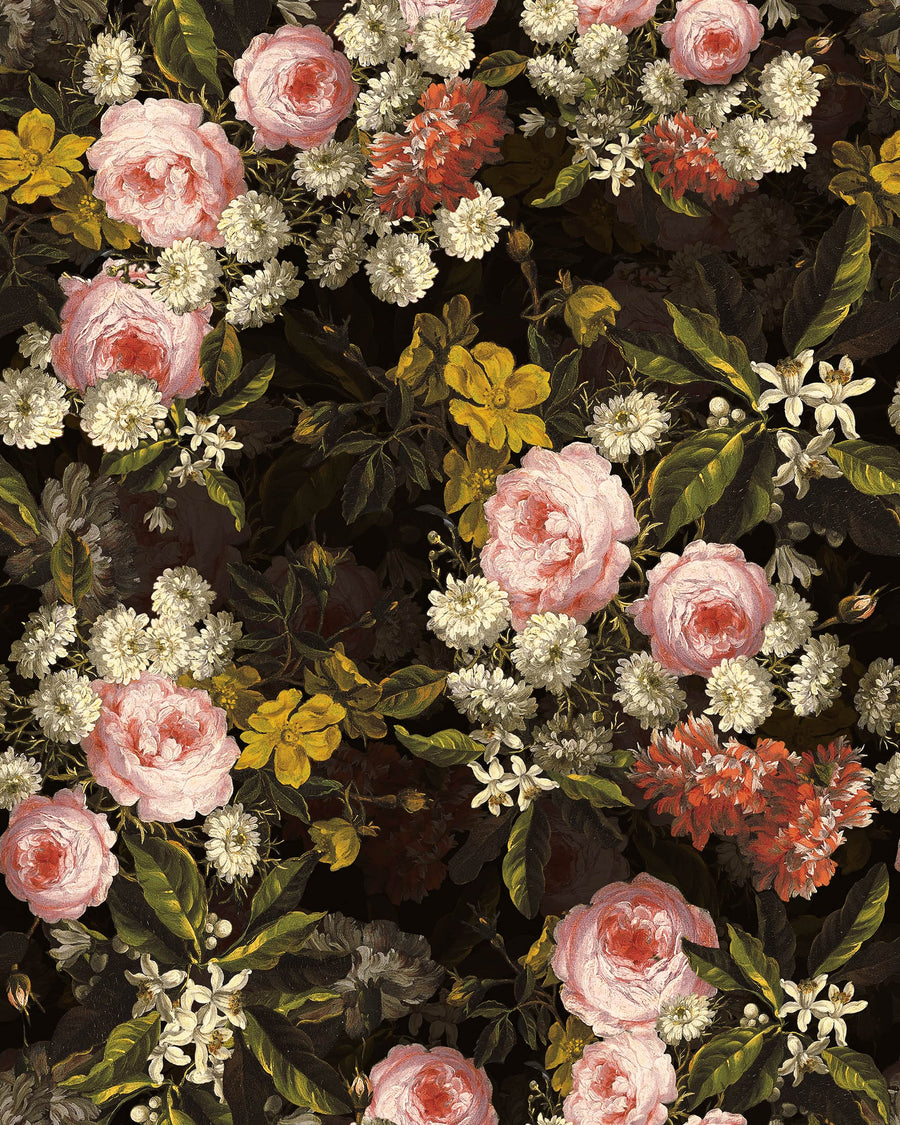
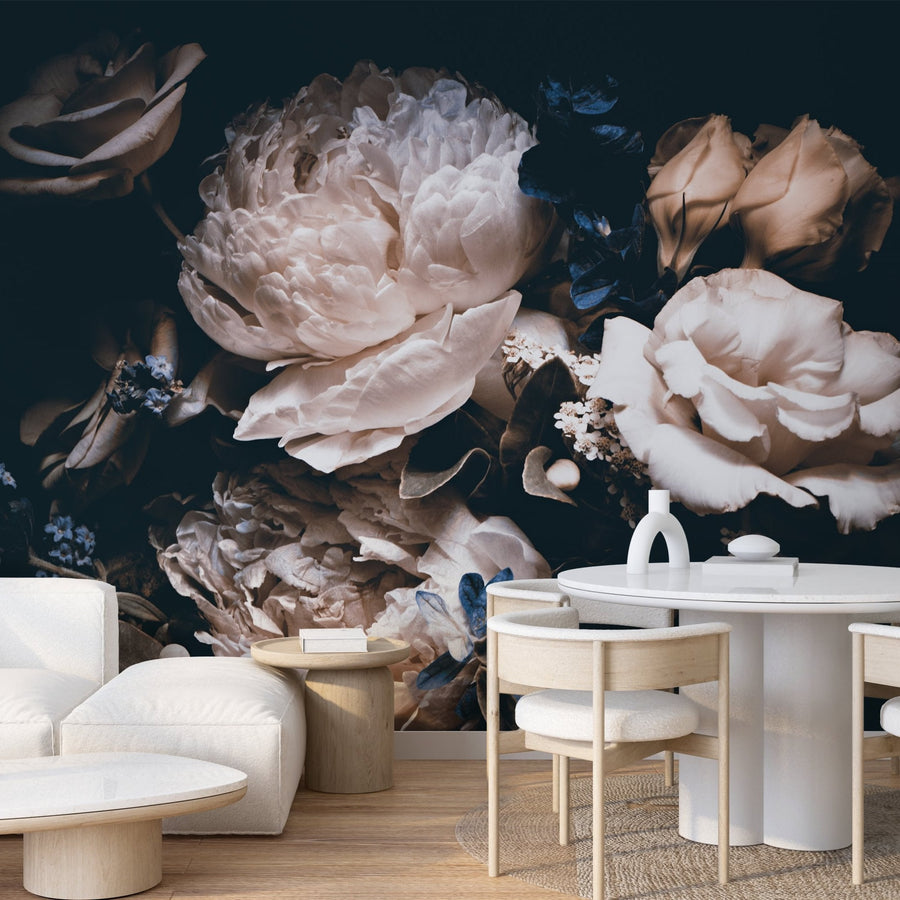
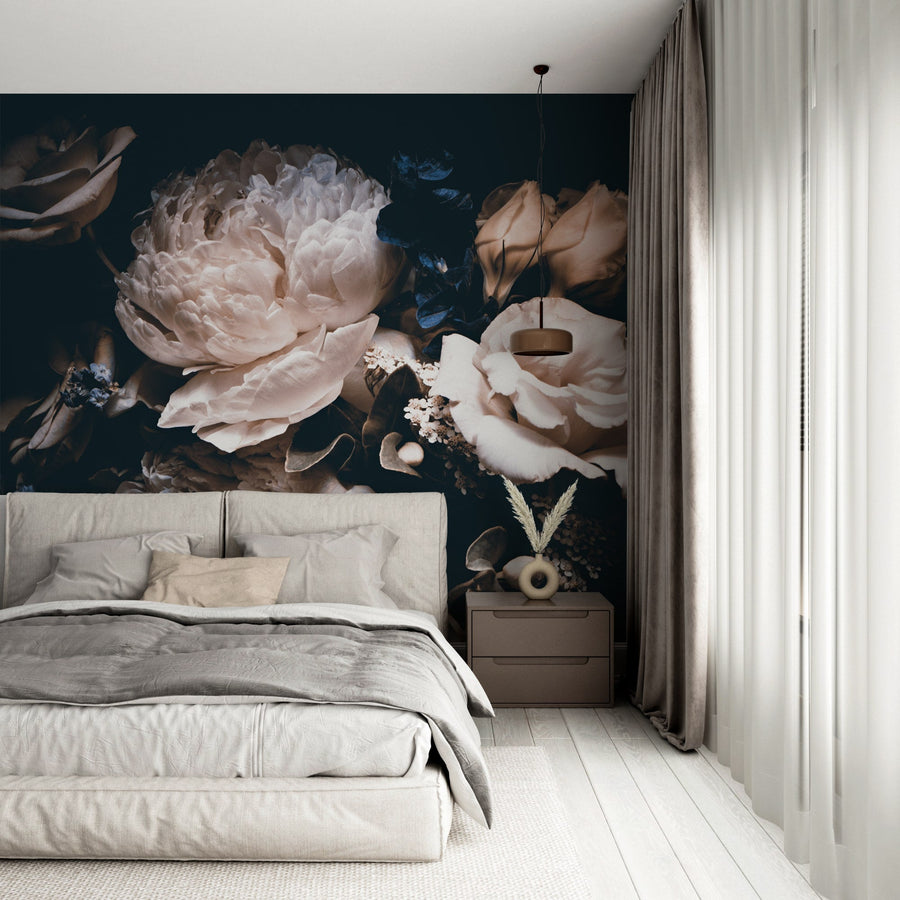
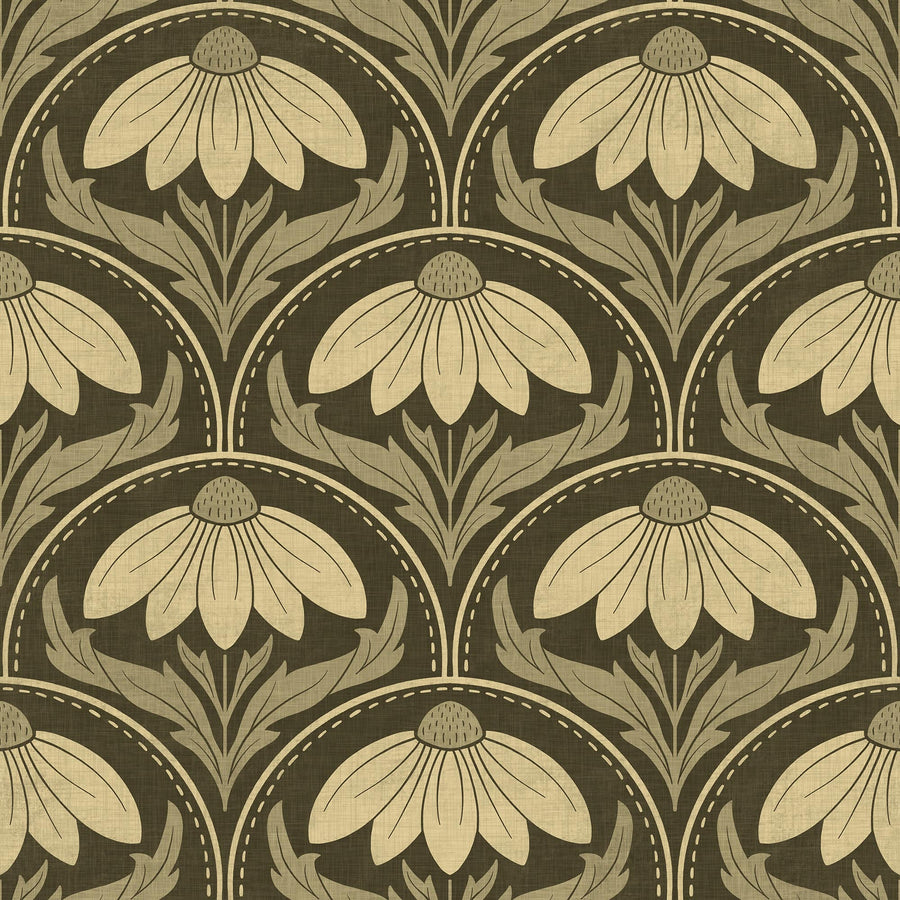
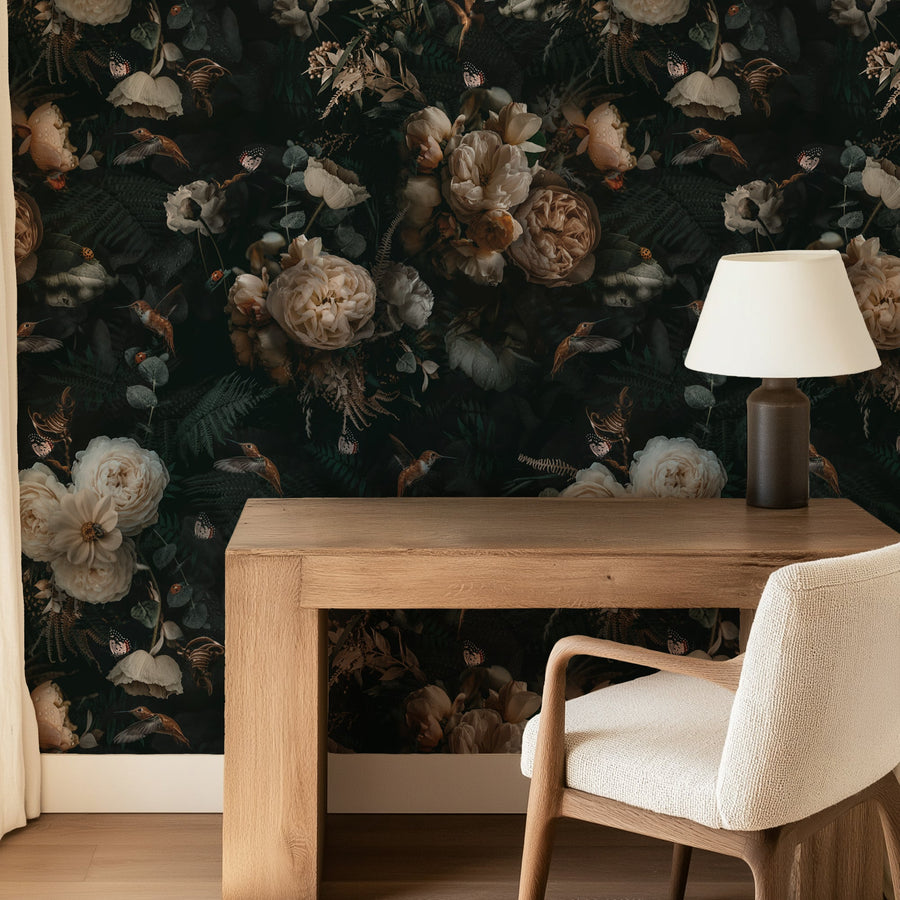
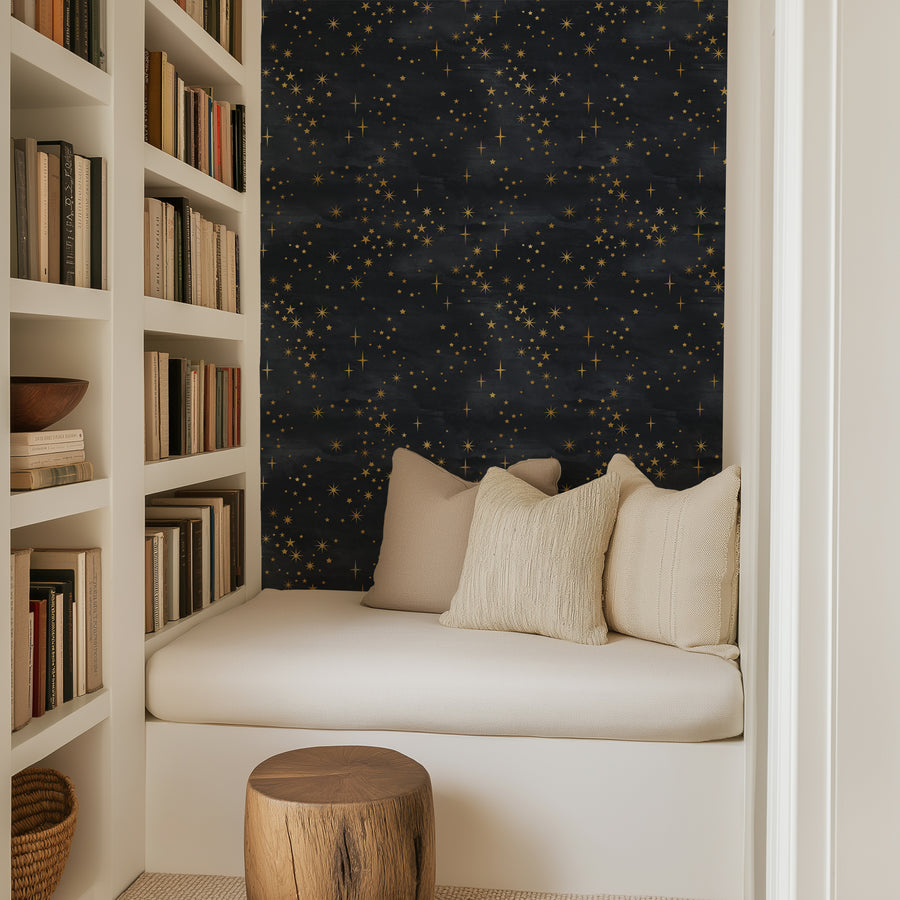
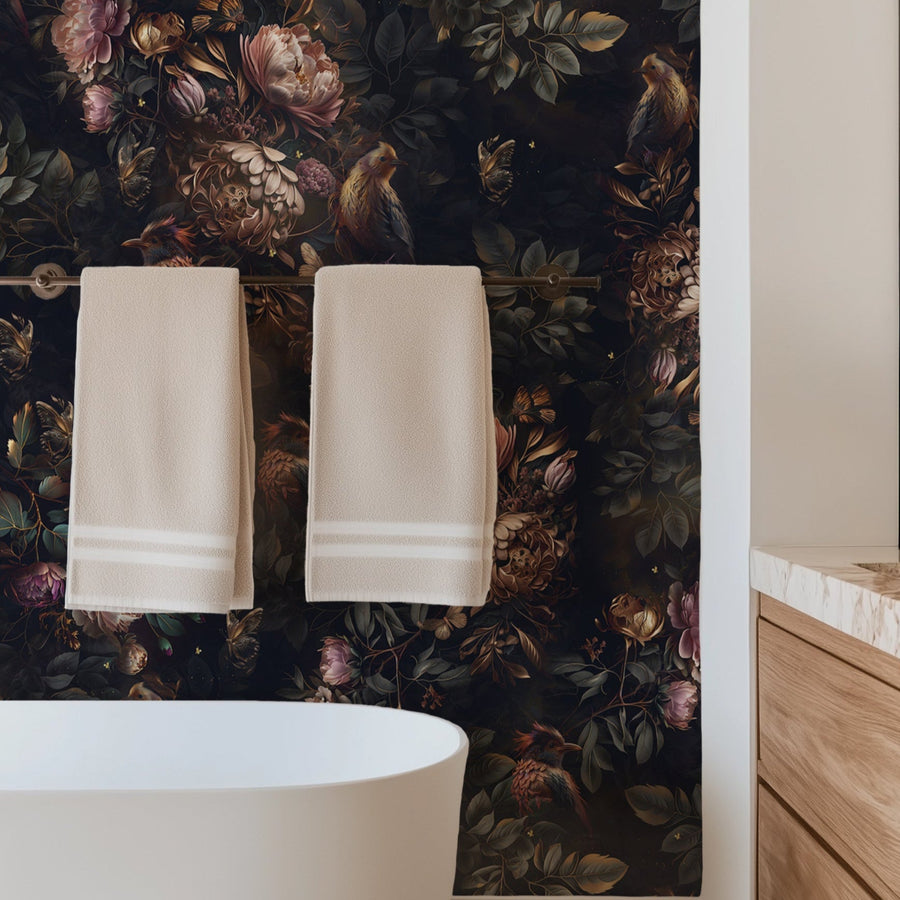
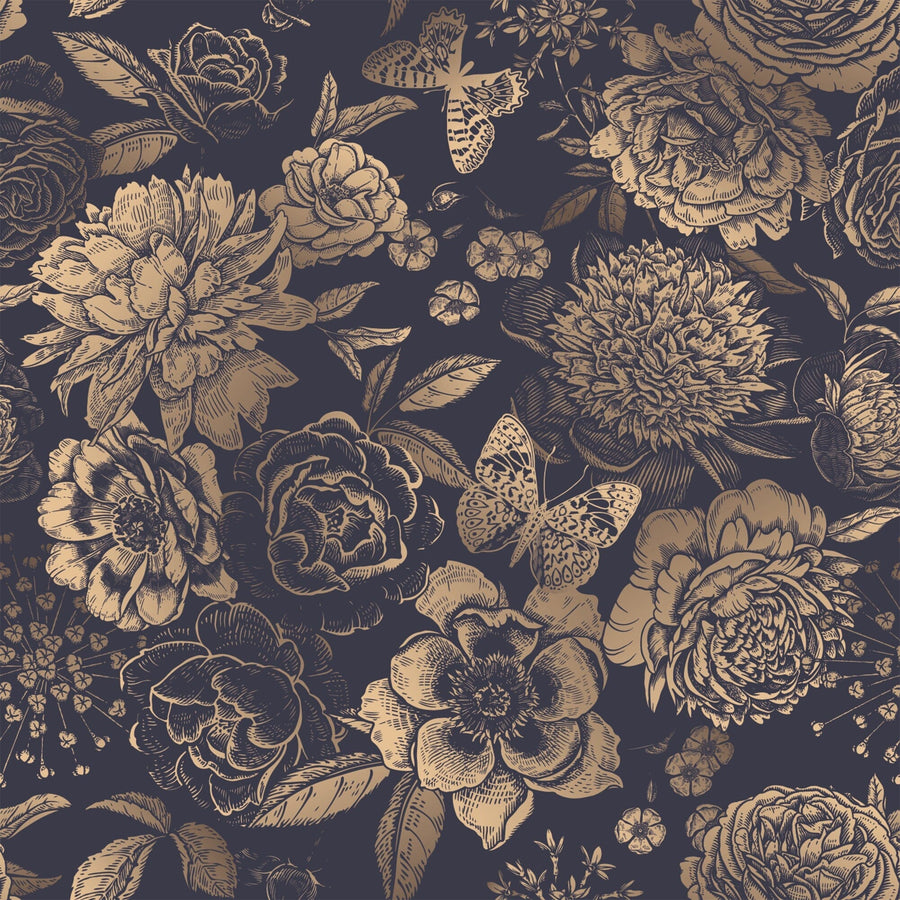
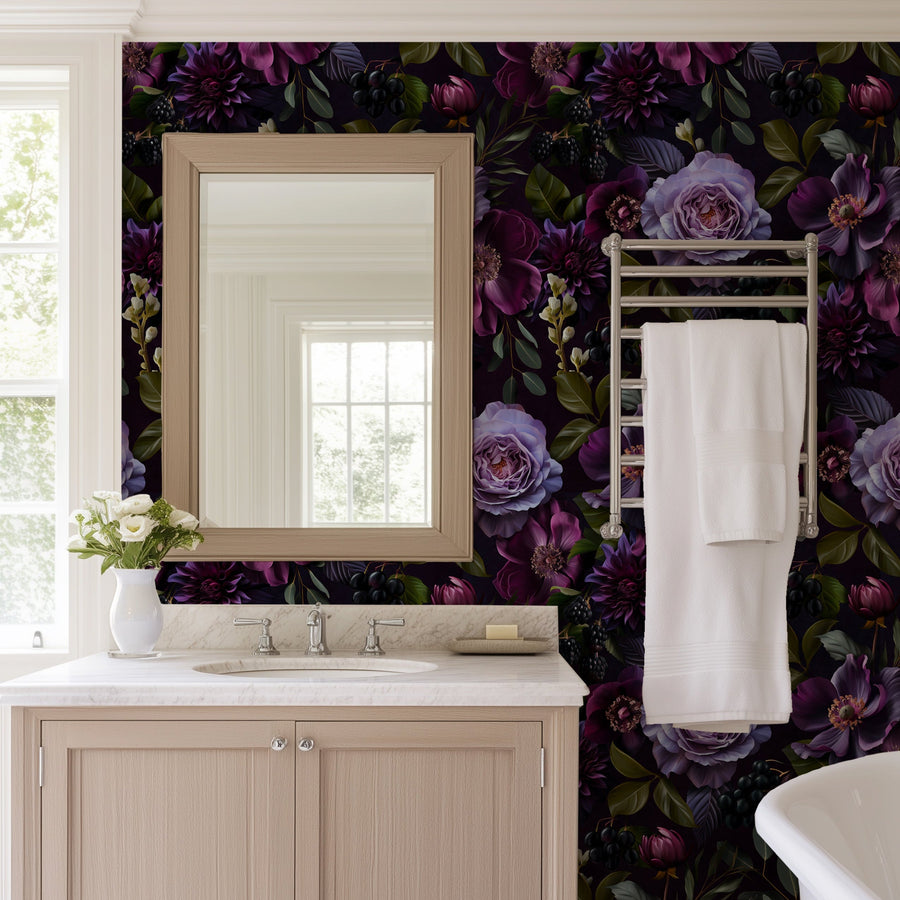
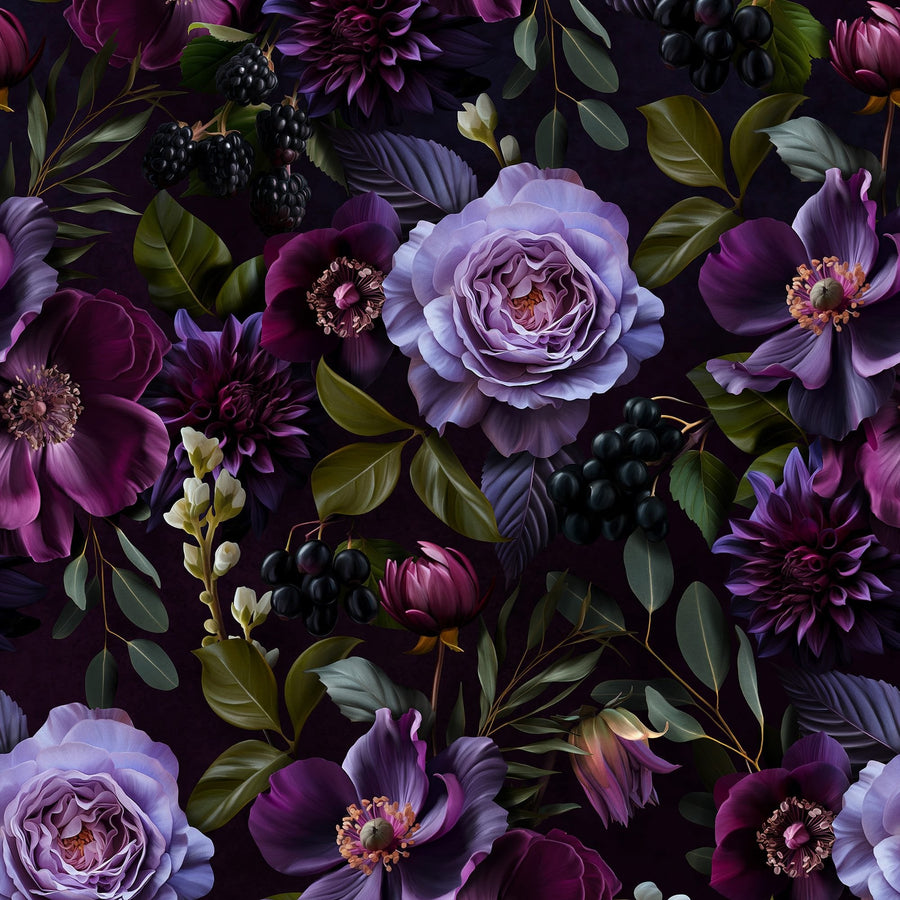
Dark, moody floral wallpapers are the ones people reach for most in a dining room, and for good reason: against a deep background, a candlelit dinner looks the way you want it to. If that's the direction, the broader floral wallpaper and moody collections have more of it.
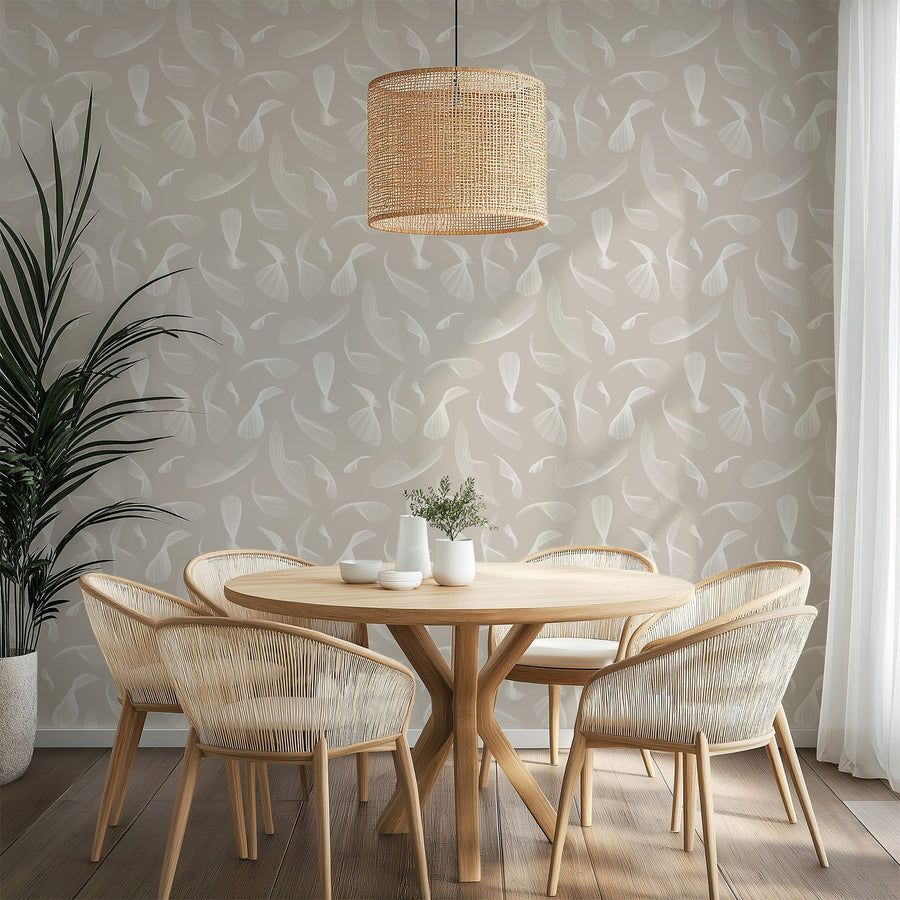
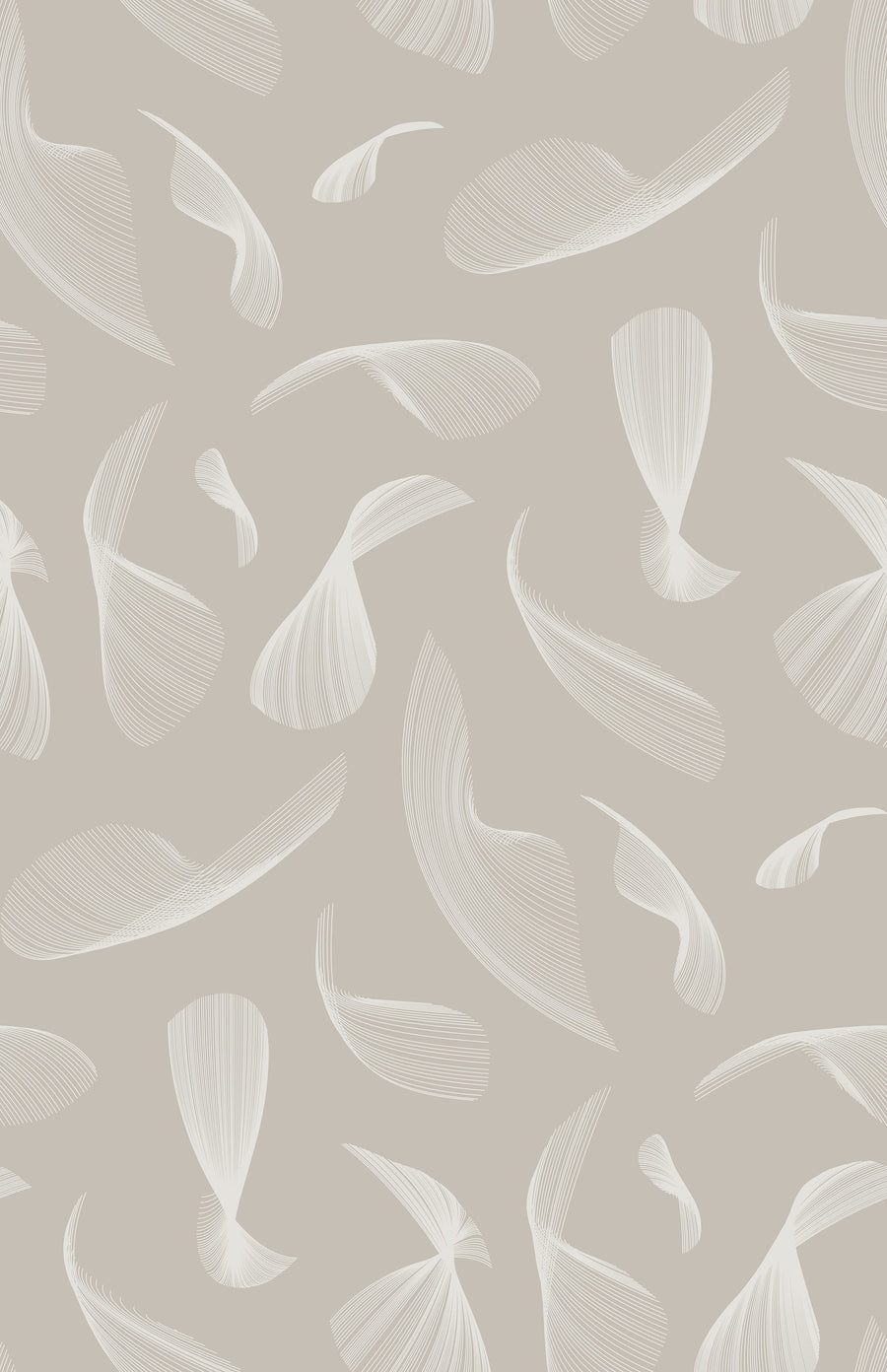
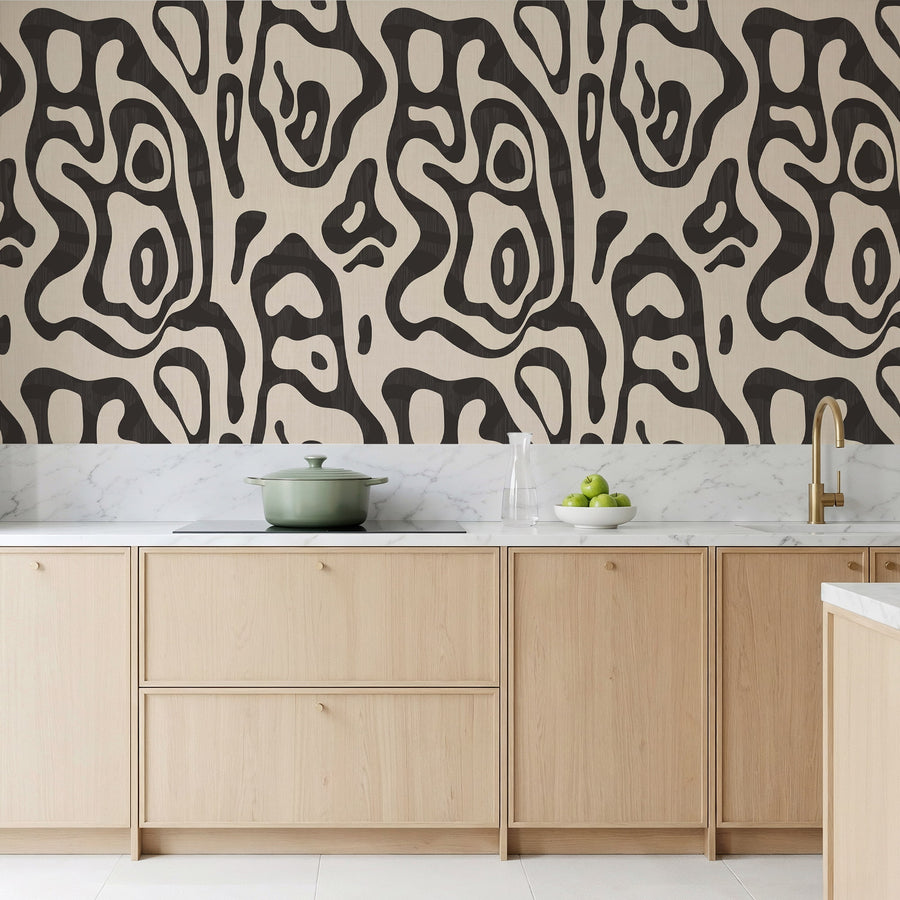
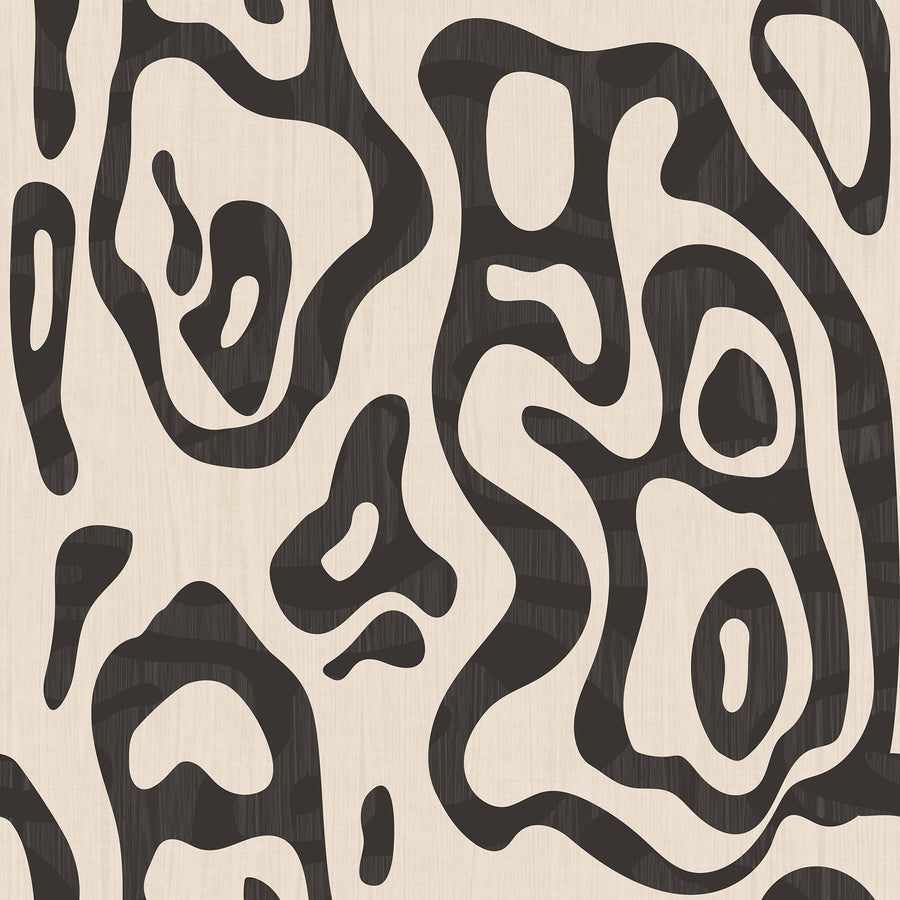
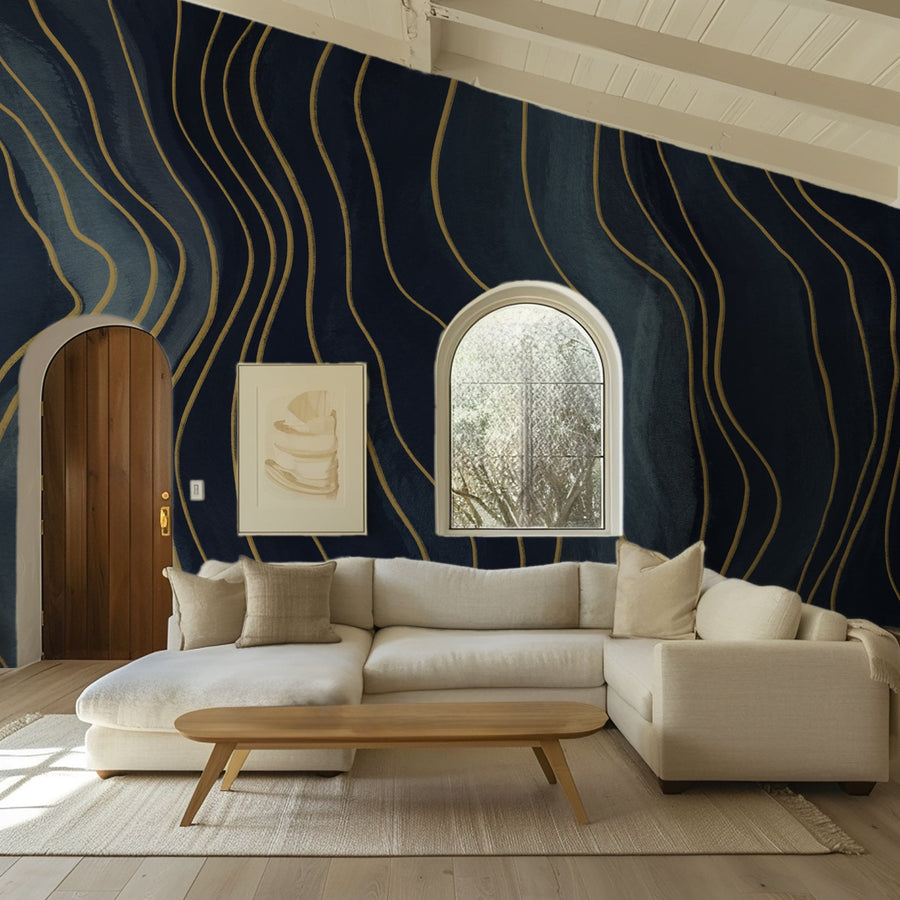
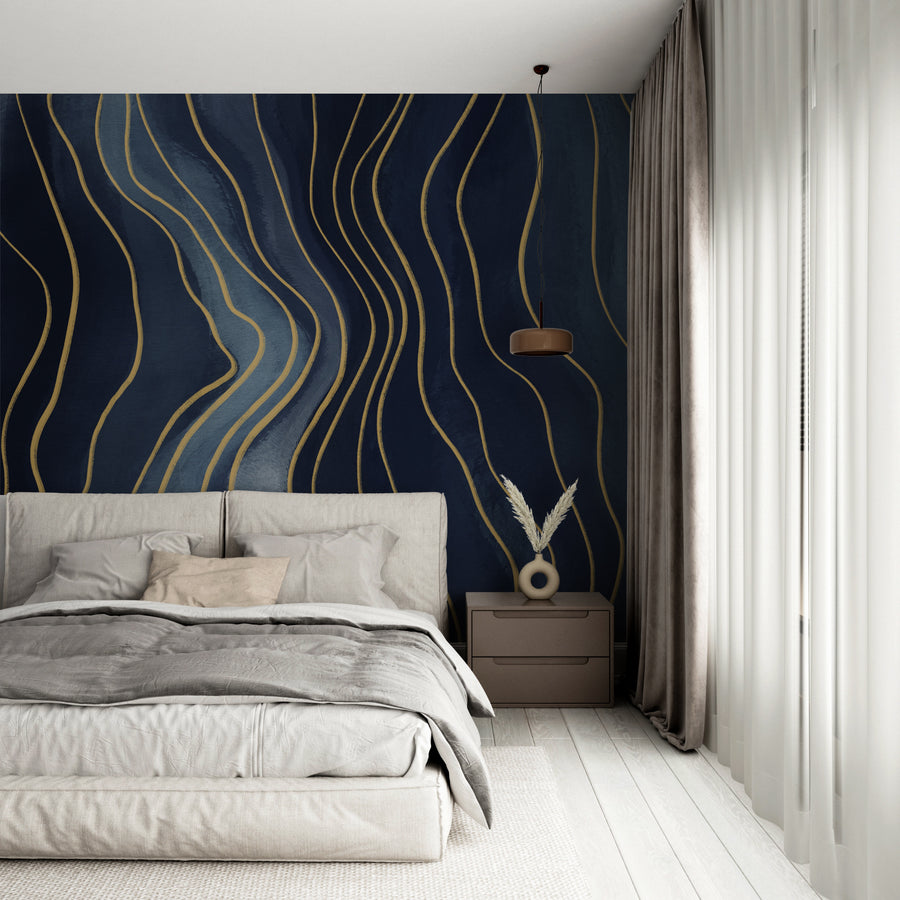
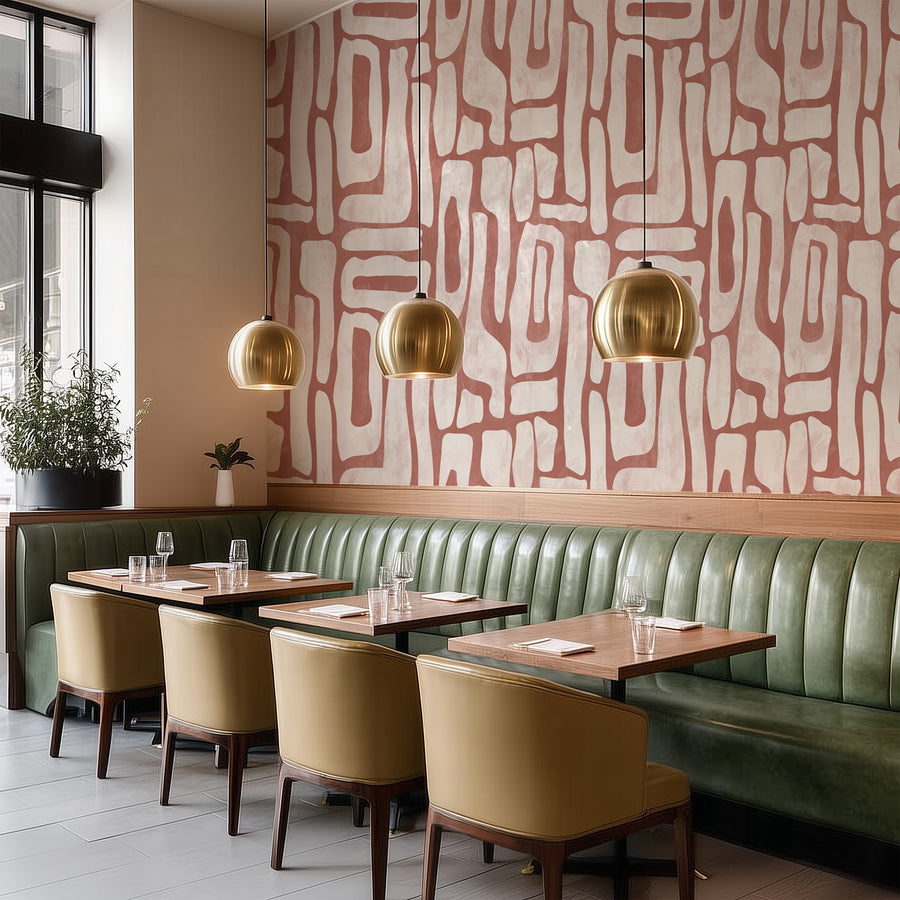
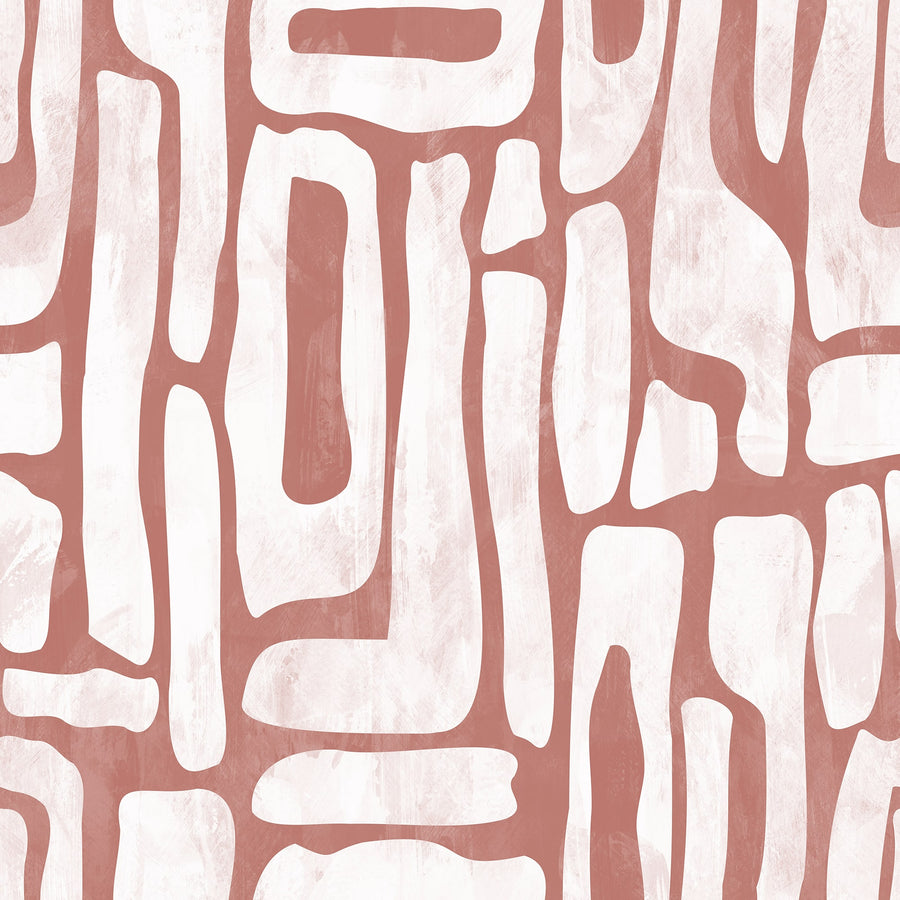
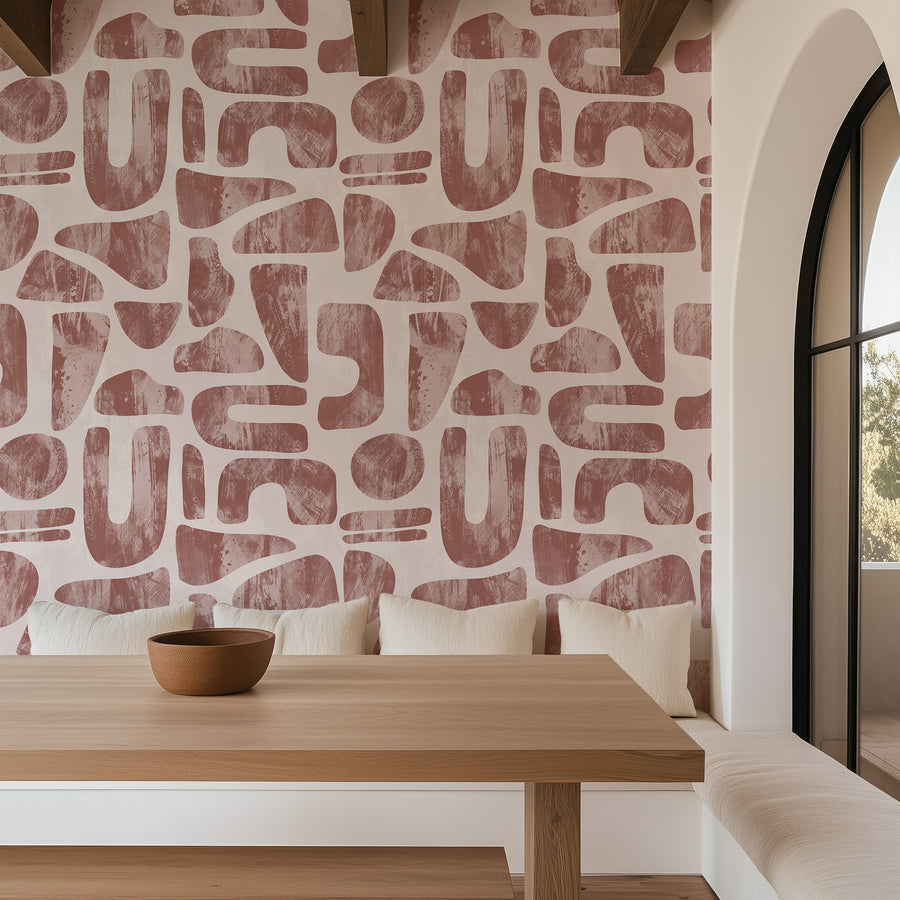
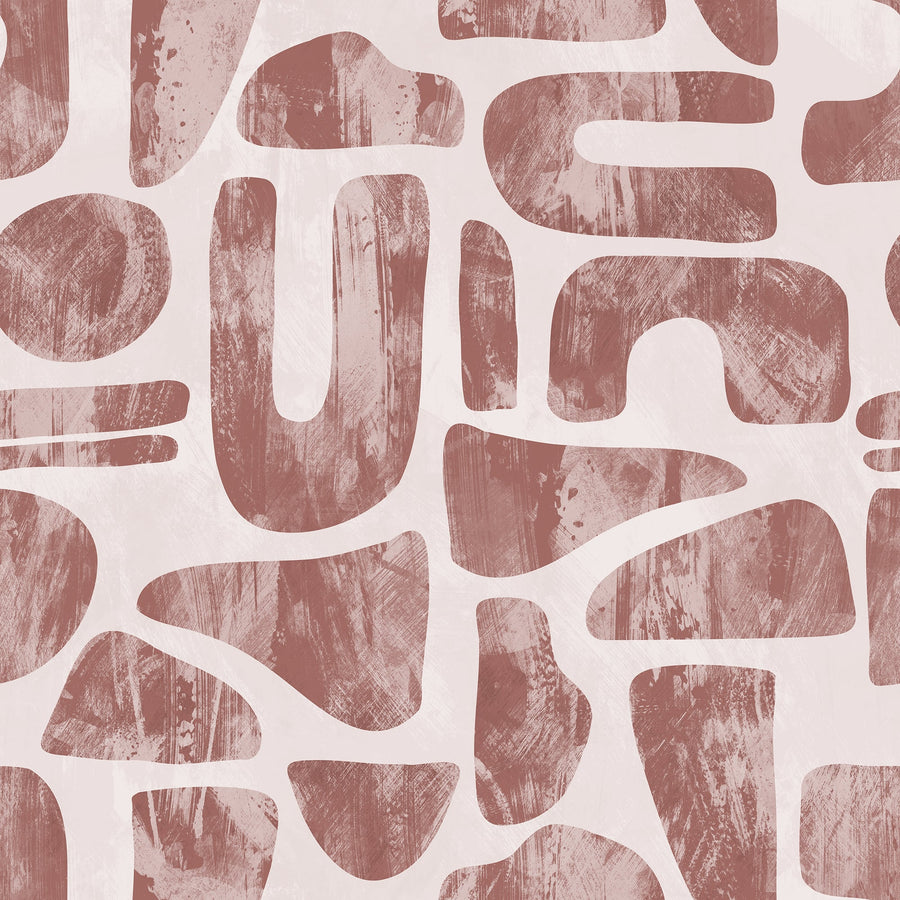
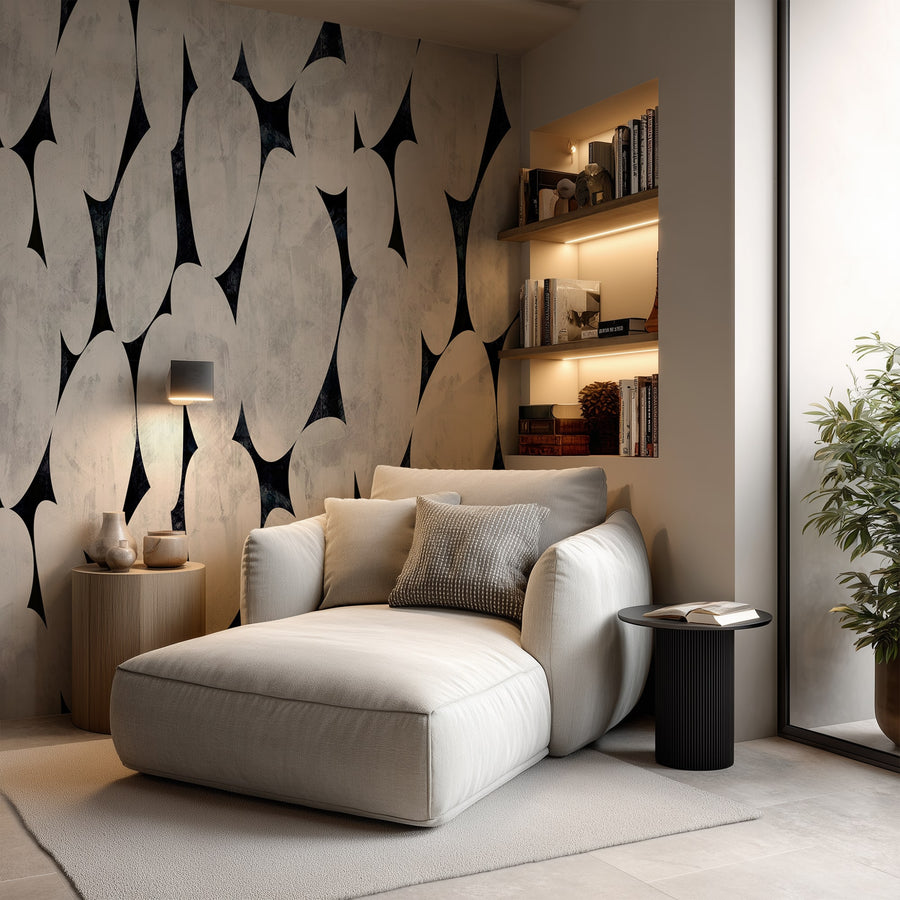
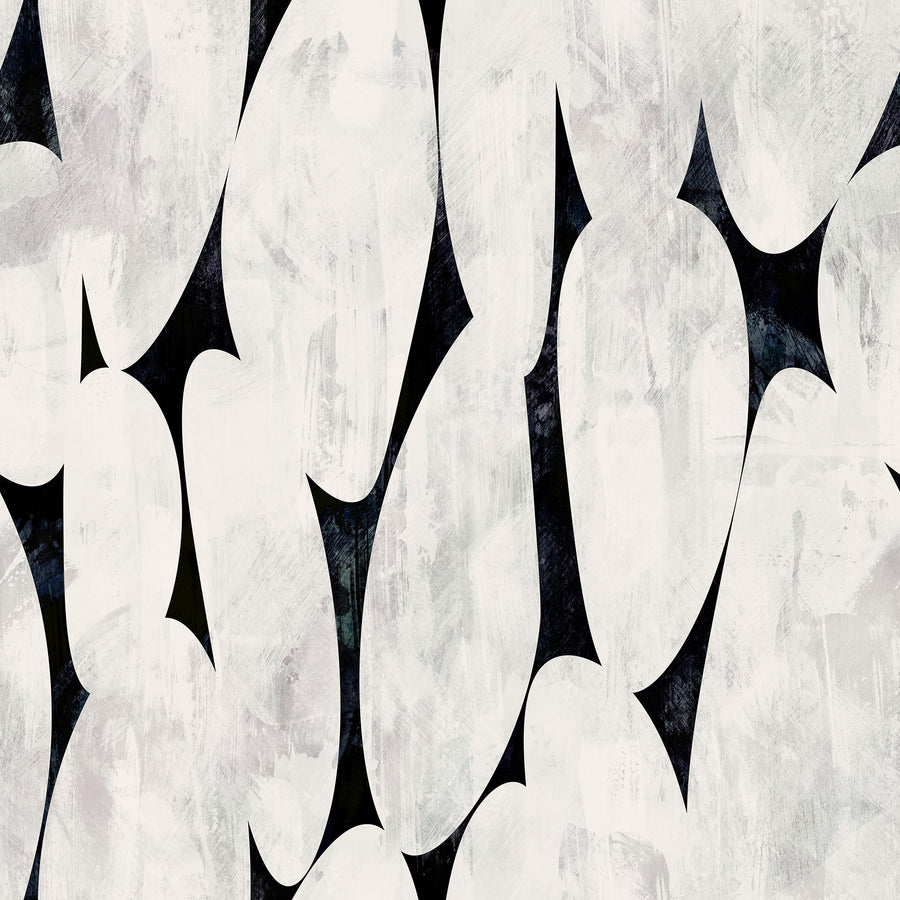
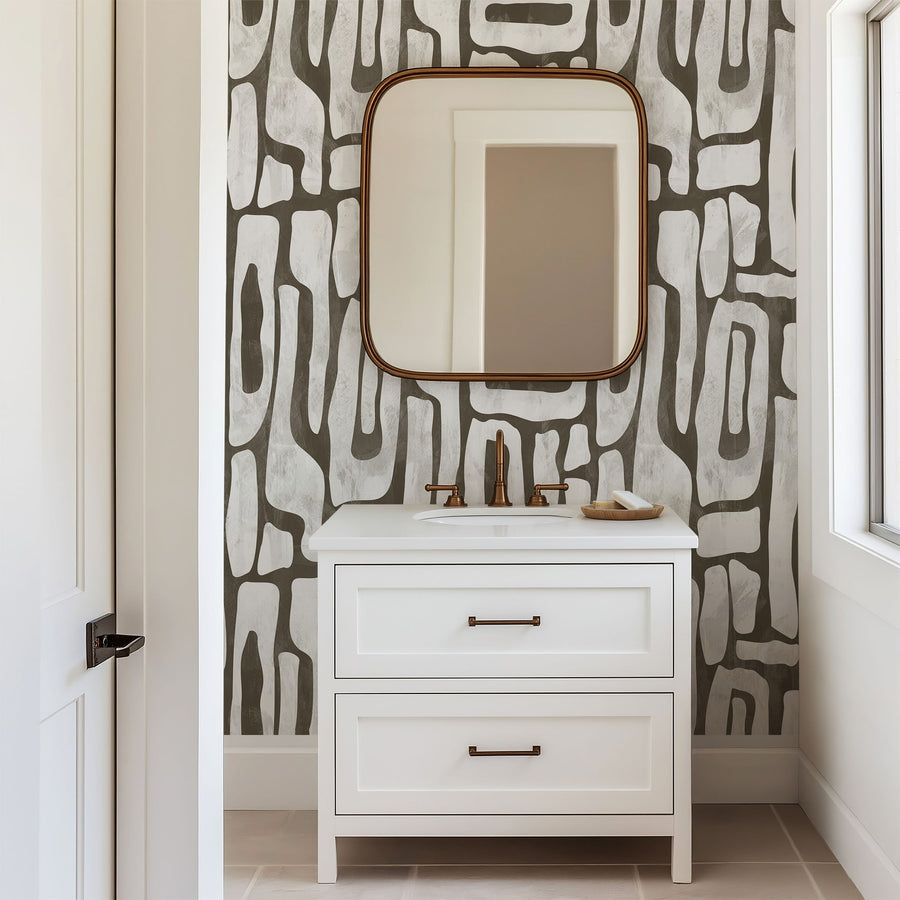
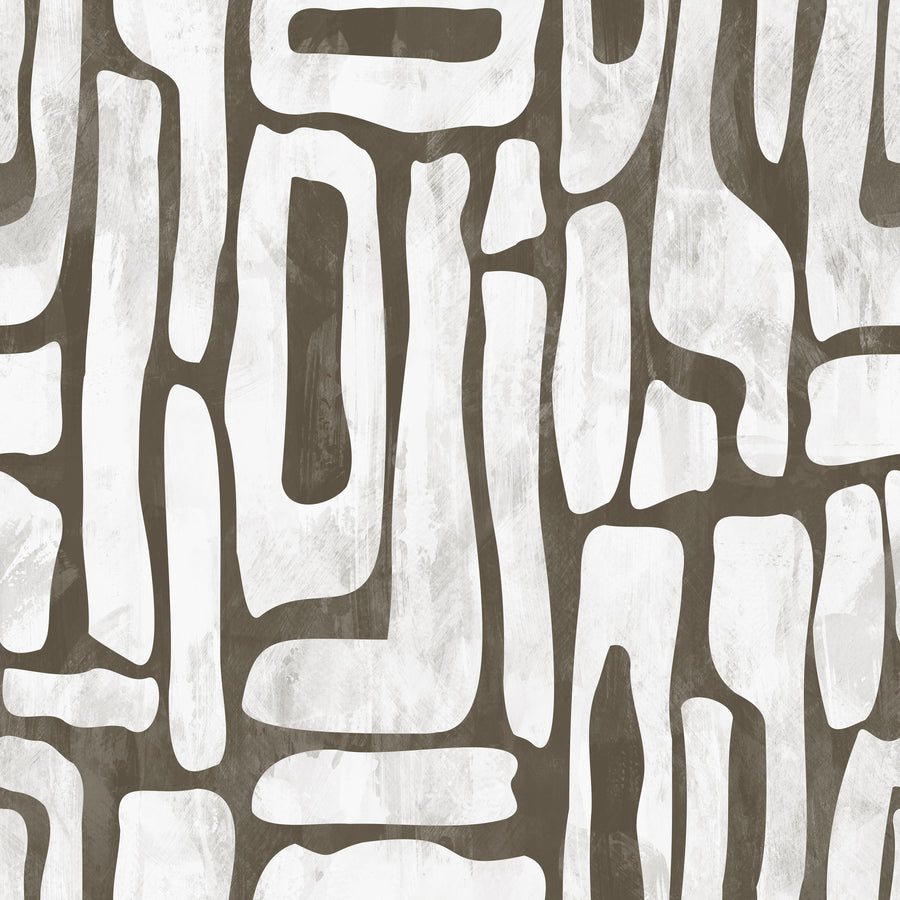
For a cleaner, more contemporary room, the modern end of the collection runs to black-and-white abstracts, organic shapes, and geometric repeats that hold up next to simple furniture without fighting it. The modern wallpaper collection pulls those together.
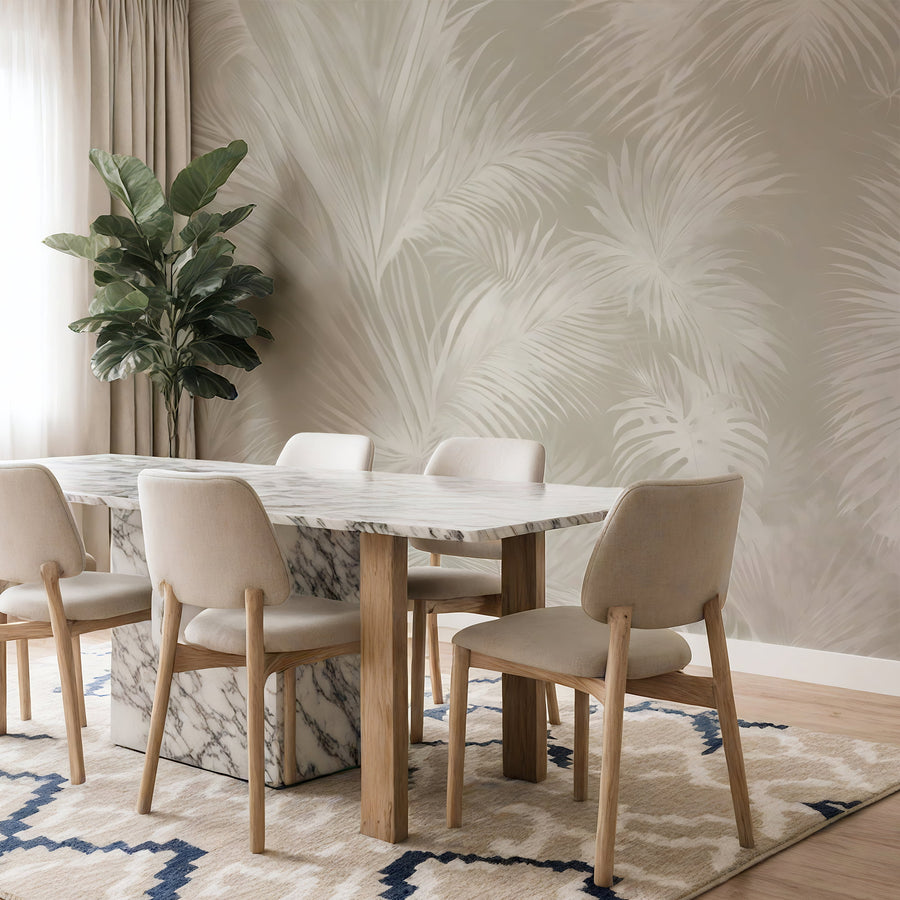
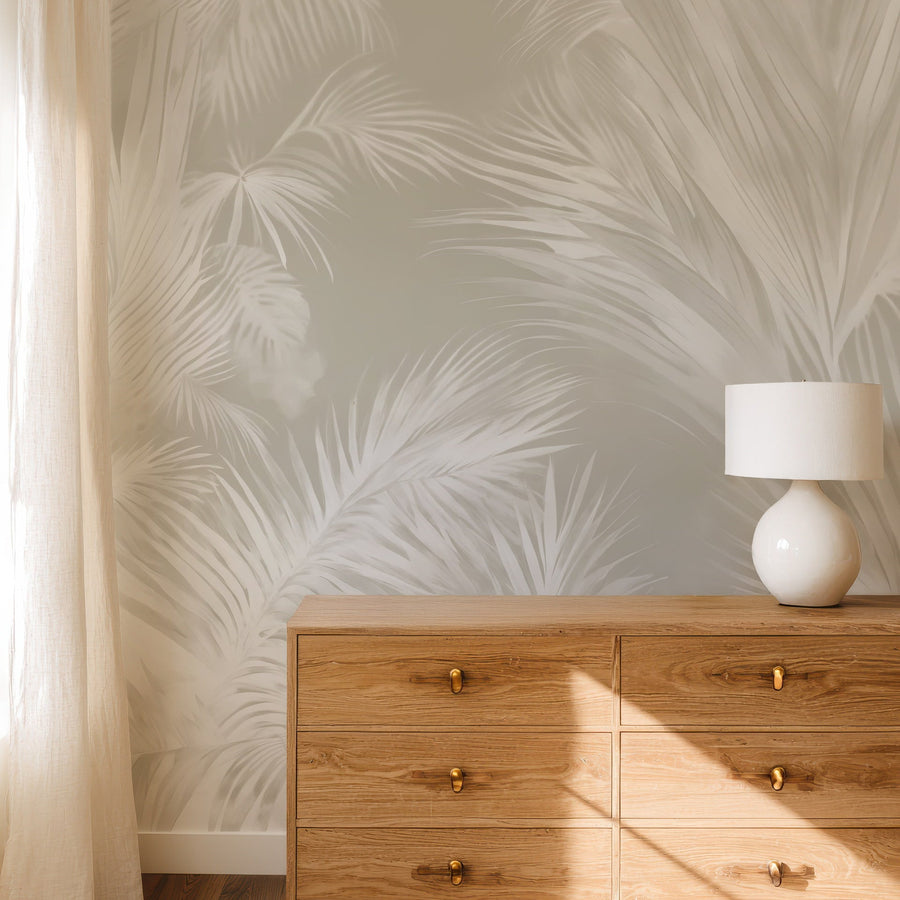
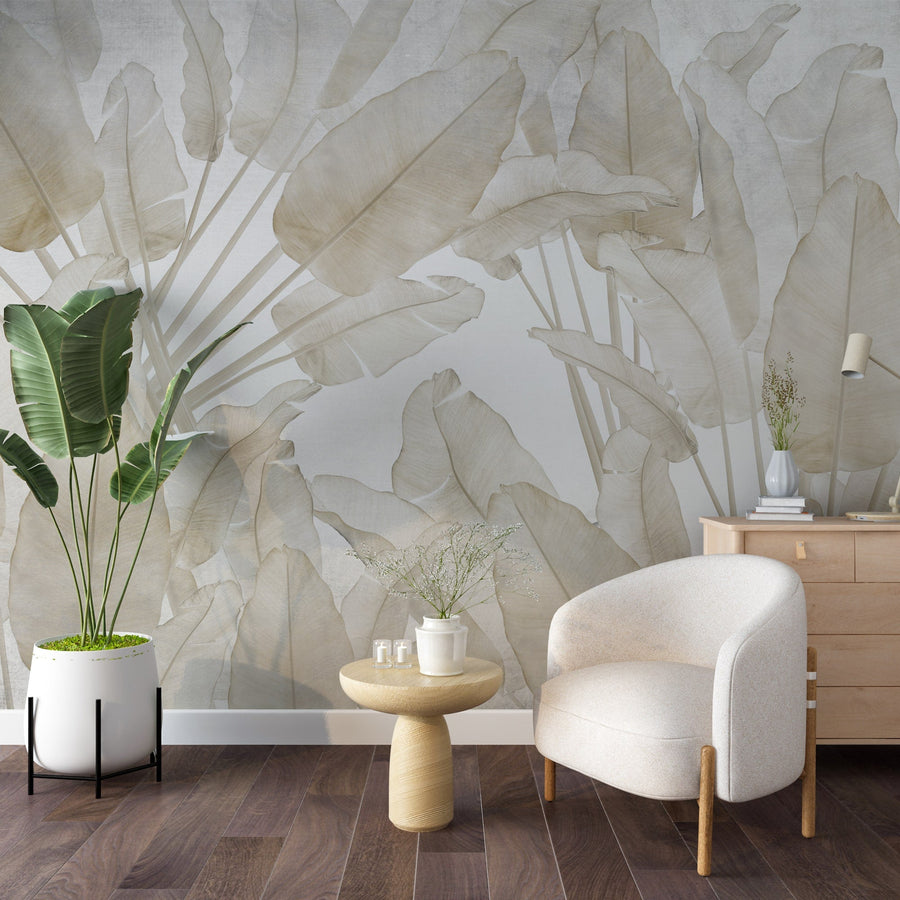
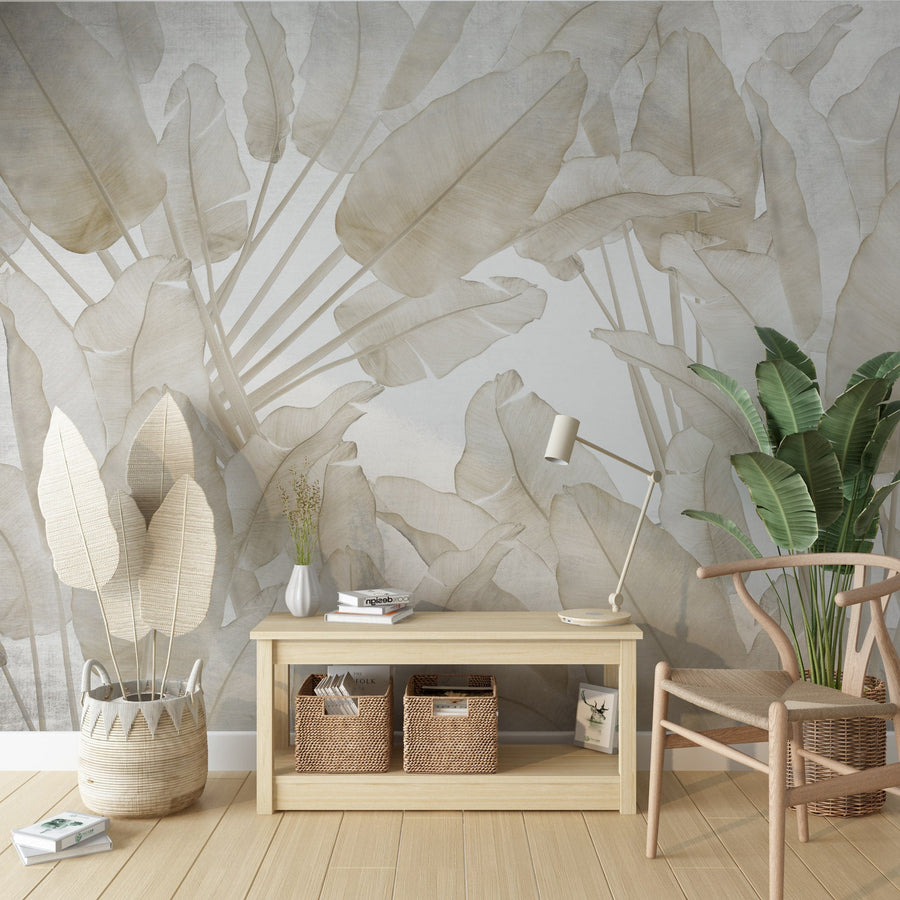
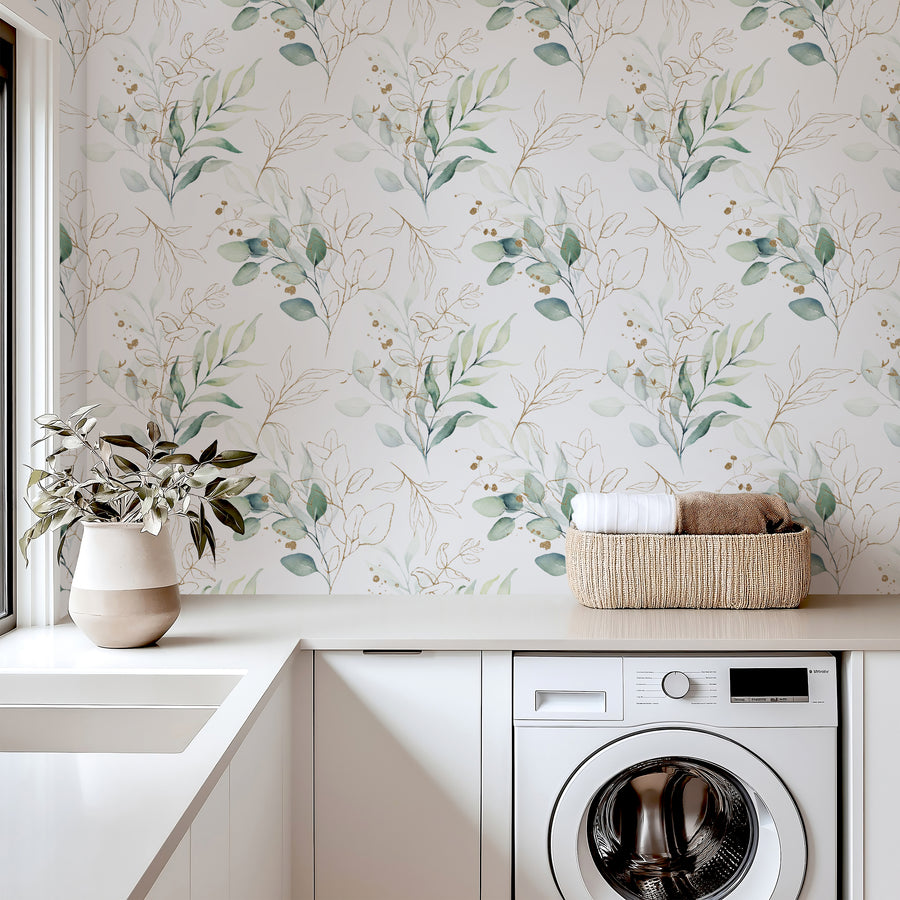
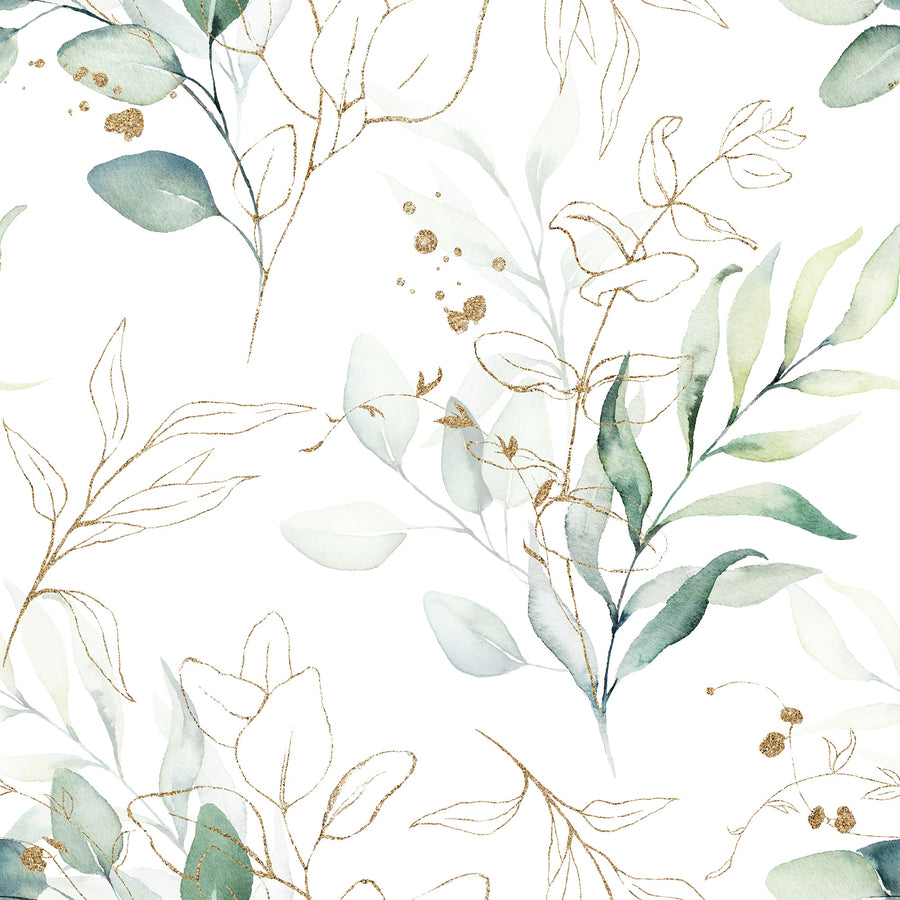
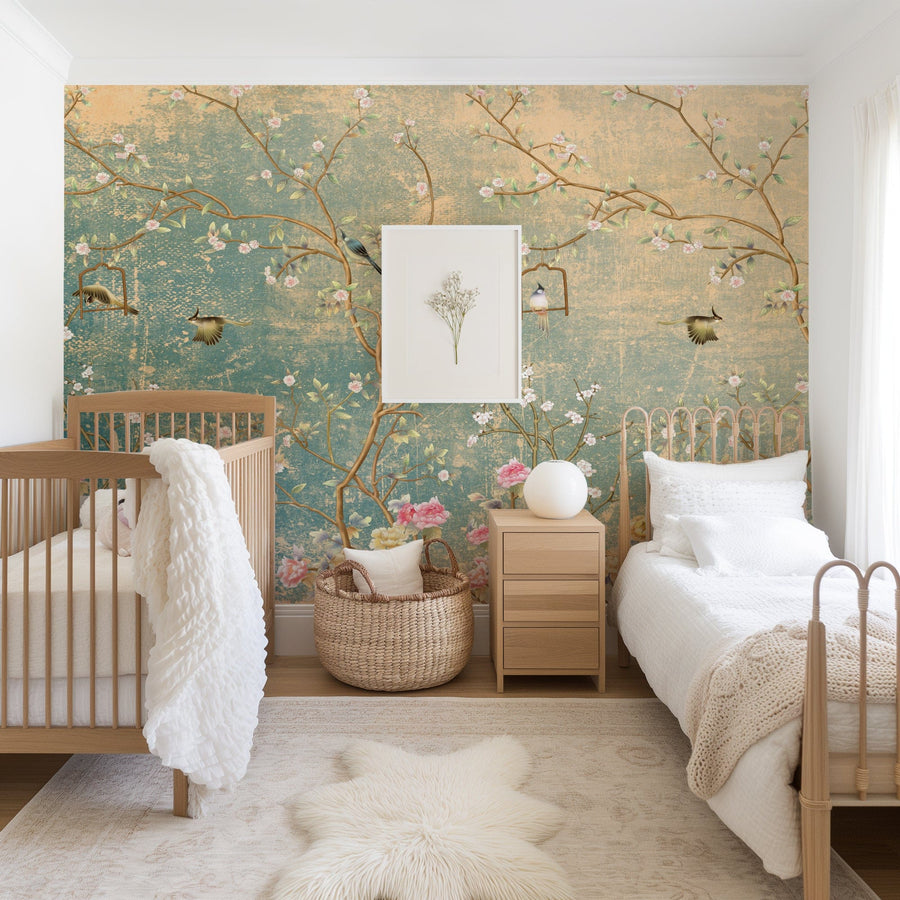
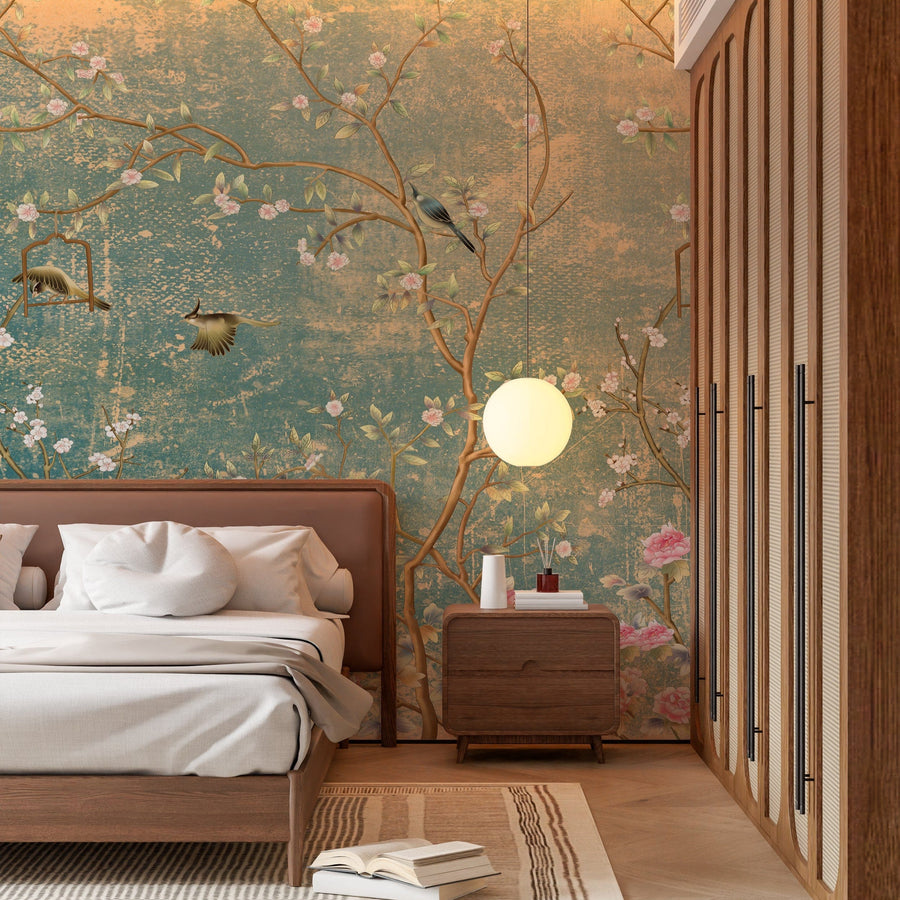
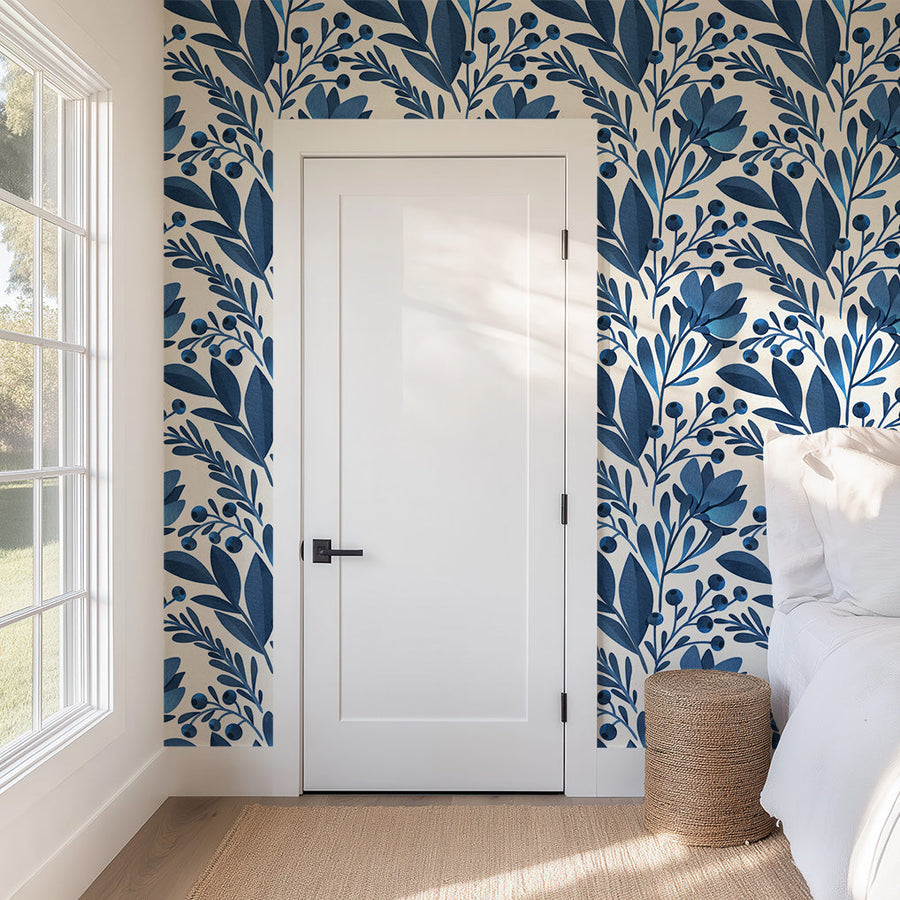
Botanical prints and large forest or garden murals are the other strong direction, especially on the single wall behind a table. A banana-leaf, olive-grove, or birch-forest scene turns that wall into the focal point of the room without needing art on top of it; the botanical wallpaper collection carries the smaller-scale versions.
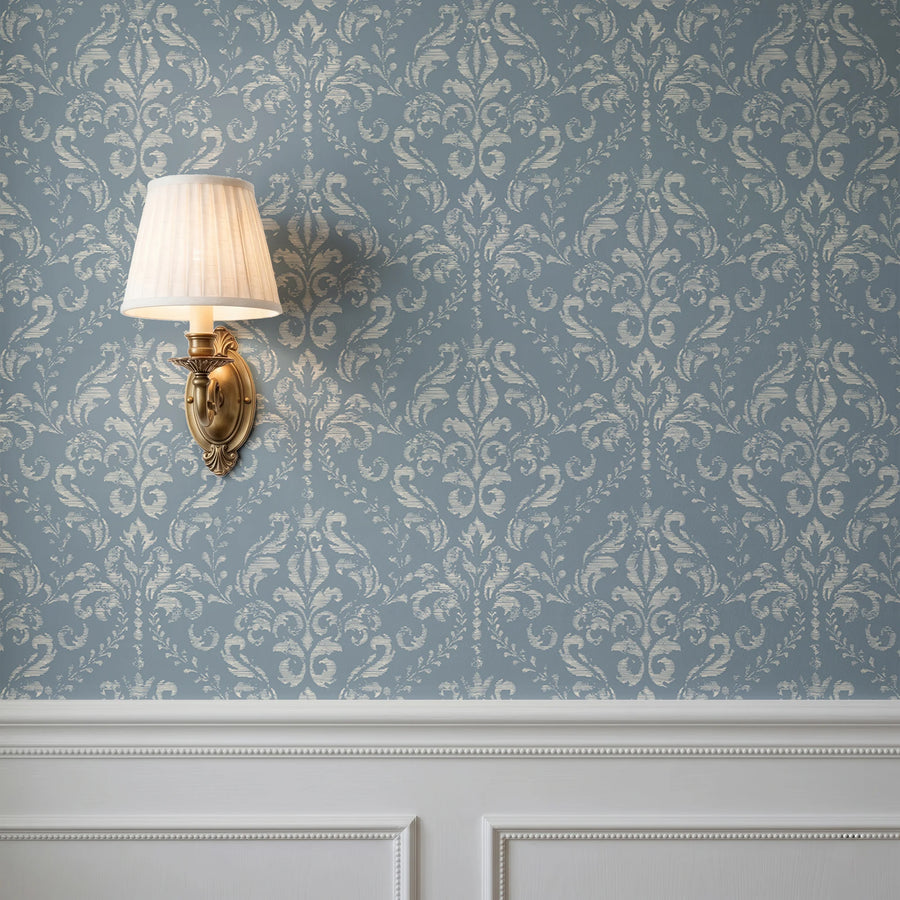
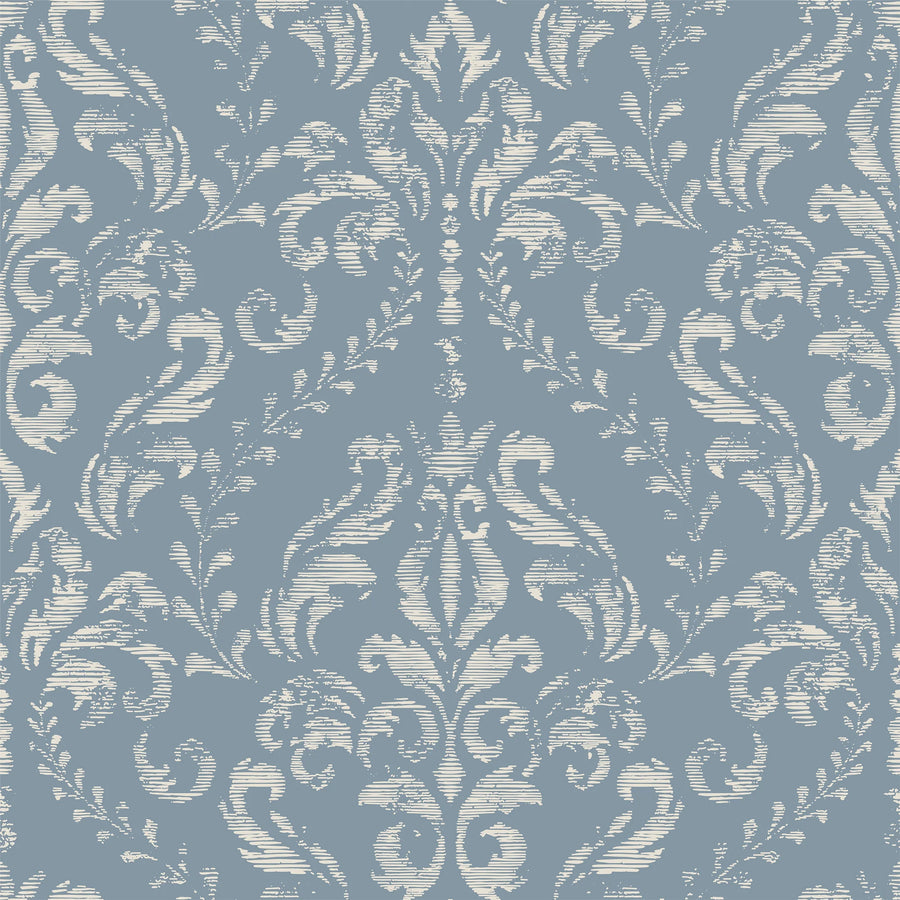
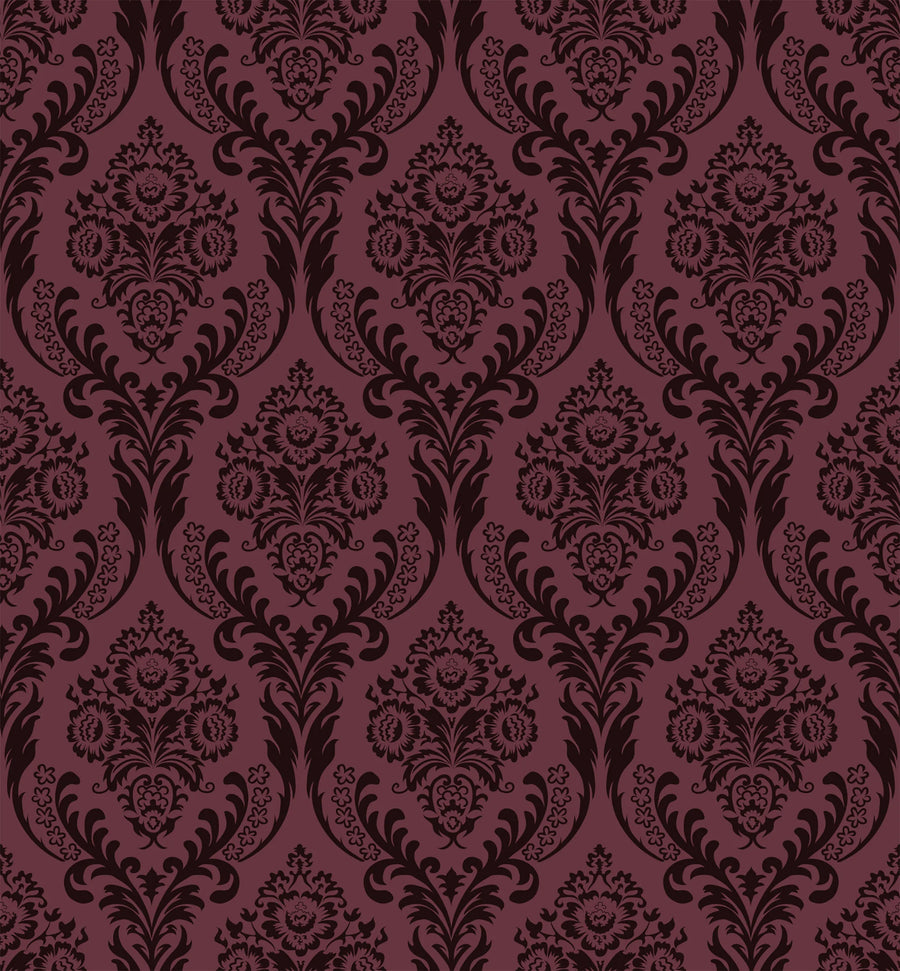
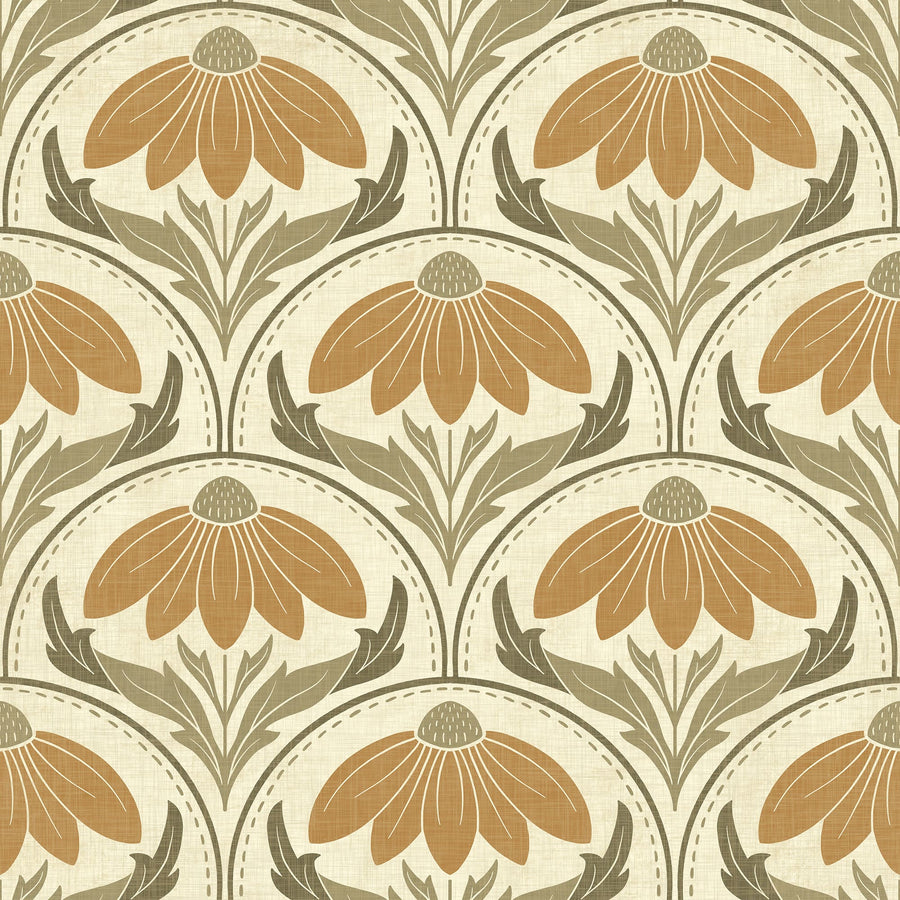
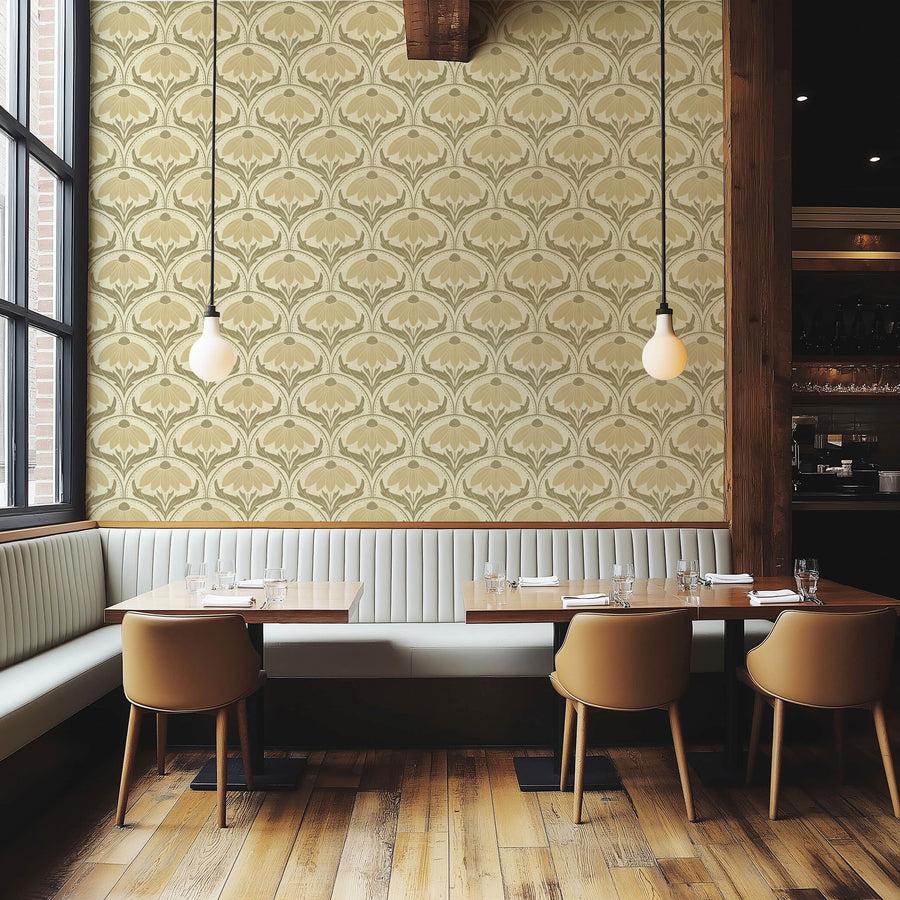
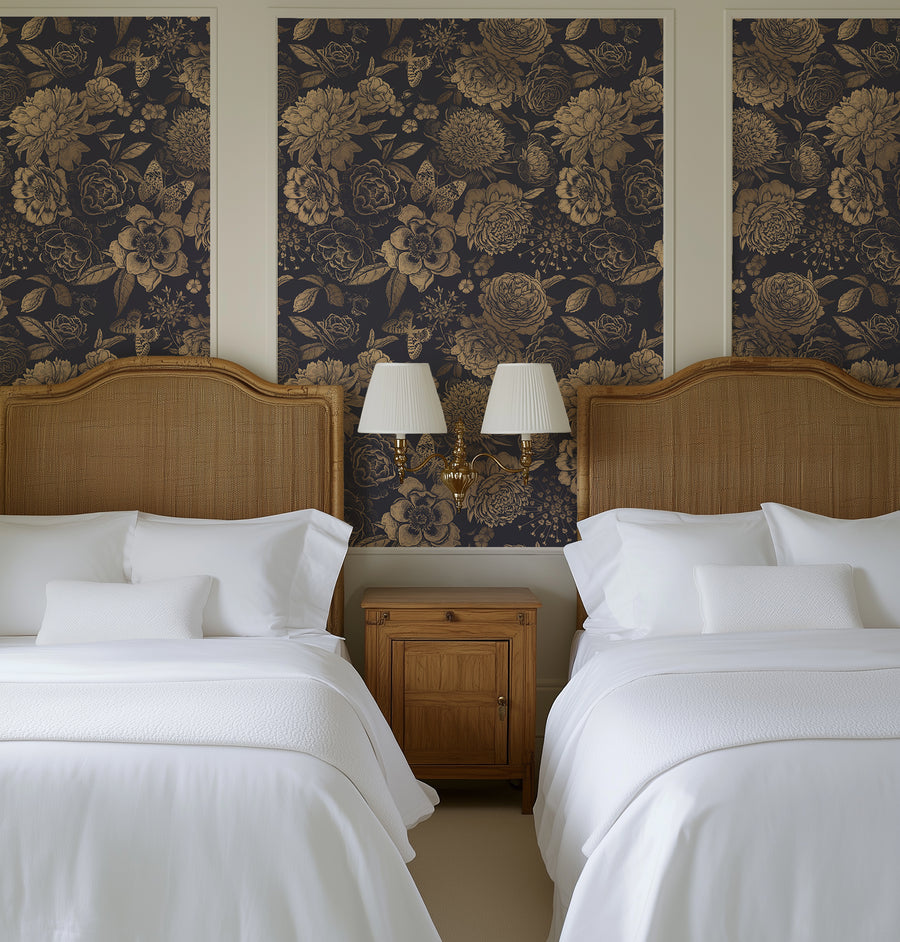
For something more formal, damask and Art Deco designs read traditional and dressed-up, while faux textures like limewash, Venetian plaster, and grasscloth add warmth and depth without a literal pattern. Those textures are a good middle ground if you want the walls to feel considered but not busy.
Accent Wall or the Whole Room?
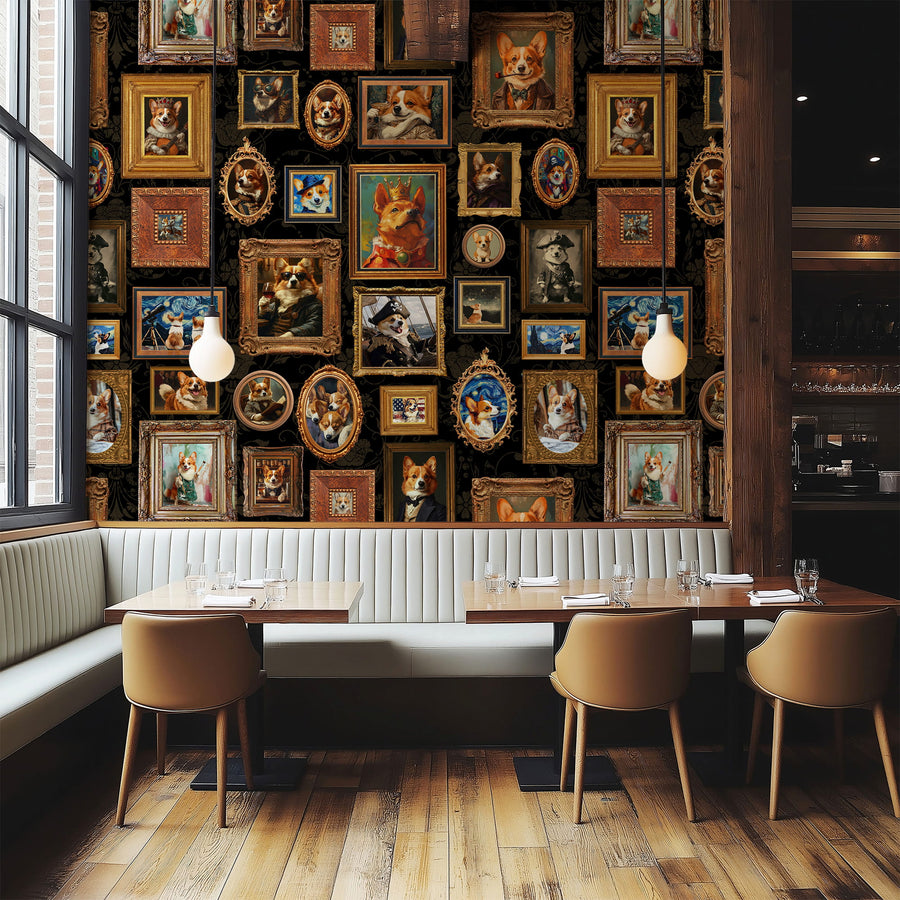
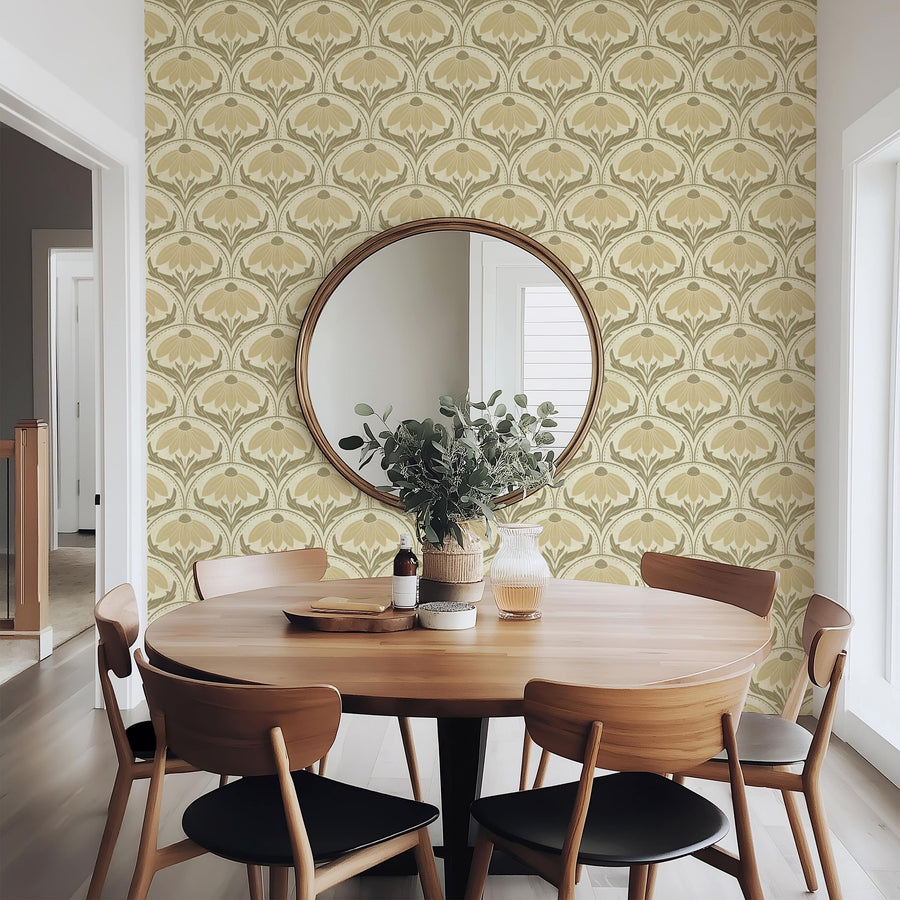
An accent wall works well when you want one strong focal point, while full-room coverage creates a more immersive effect. The wall behind the table or the sideboard is the one people face while they're seated, so it carries a bold pattern or a mural better than the rest of the room would. Wallpapering all four walls can work, but it usually wants a smaller, quieter repeat so the space doesn't close in.
Watch what the furniture covers. A tall hutch or a row of framed prints will hide a big motif, so if you've ordered a mural or a large-scale pattern, plan the furniture around it or keep that wall clear. Chair rails, wainscoting, and built-ins also break up a pattern, which is fine for a small repeat and awkward for a scenic mural.
Dining Room Wallpaper Scale, Color, and Light
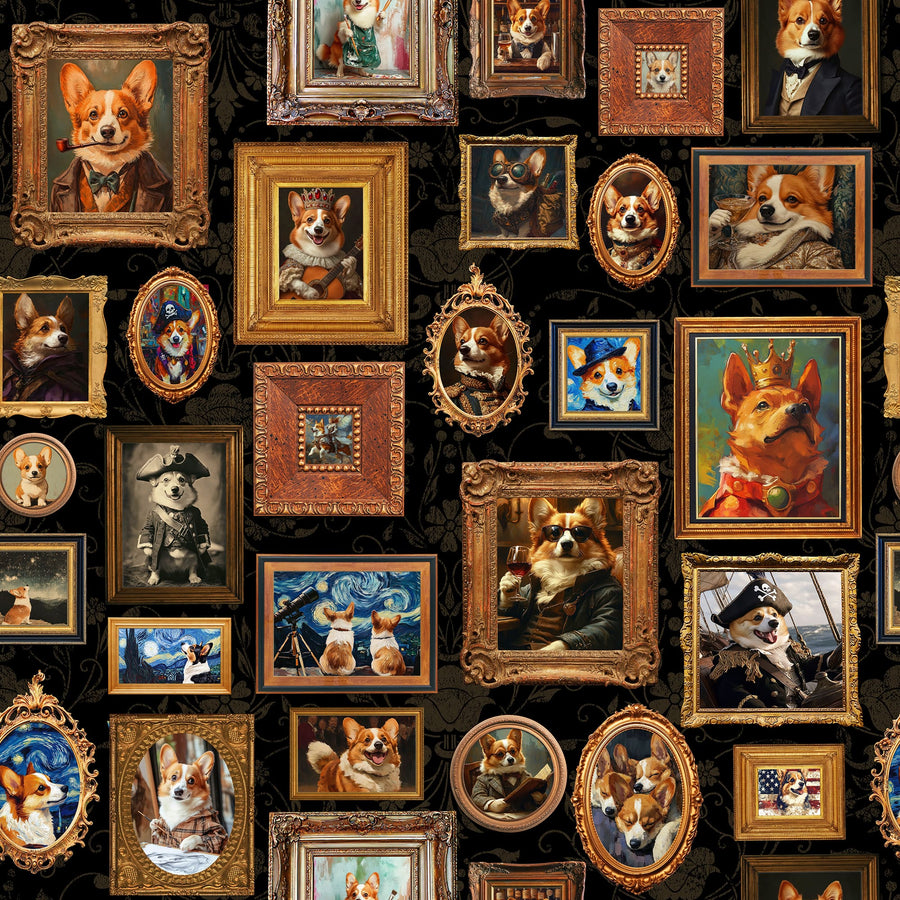
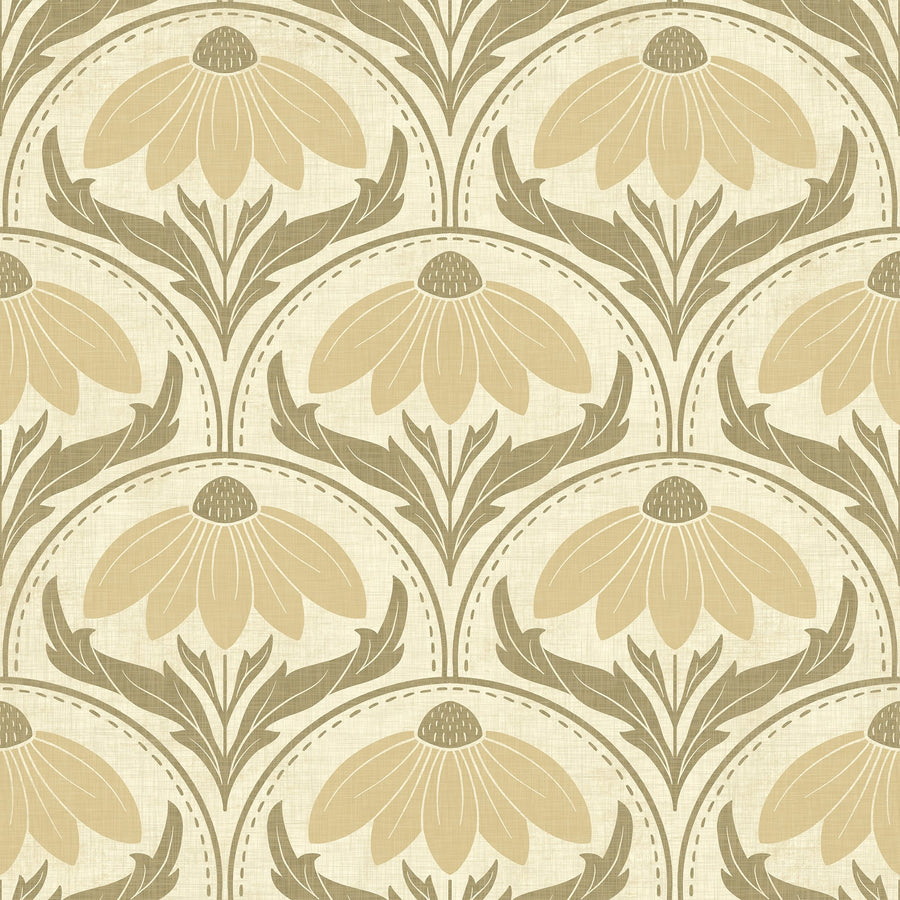
Pattern scale should be considered alongside the amount of open wall space, furniture placement, viewing distance, and contrast. Large-scale designs can work beautifully in both small and large dining rooms when the composition has enough room to read clearly, while tighter repeats can create a more continuous look across several walls. Order a sample and view it from the distance where you will actually sit to judge whether the scale feels right in the room.
Light matters more in a dining room than almost anywhere else, because you use the room in daylight and under warm artificial light at night. Deep greens, blacks, and burgundies that look rich under a chandelier can turn flat and gray in a north-facing room during the day, so test the actual print on the actual wall. If you'd rather keep things light, the beige and neutral range is calmer and easier to coordinate with an open-plan living room.
Peel & Stick vs Traditional Type II Wallpaper for a Dining Room
Peel and stick wallpaper is self-adhesive and comes off a smooth, properly prepared wall when you redecorate, which makes it the practical choice for a rental or a room you expect to change. It needs a smooth, clean, properly painted, fully cured surface to hold well; if the wall was painted recently, EazzyWalls recommends waiting at least 8 weeks before installing. We make it in Smooth Vinyl, with a wipeable semi-gloss finish, and Canvas, with a matte woven texture.
Traditional Type II is paste-installed and commercial-grade. It tolerates light wall texture that peel and stick won't, and it's the material to specify for a restaurant dining room, a private dining space, or any project that calls for a Class A rated wallcovering (ASTM E84). Our commercial Type II wallpaper collection covers those uses. Whichever you choose, a dining room near an open kitchen benefits from a wipeable surface, since the wall behind a table collects more than you'd expect.